Is the BMW i4 Good for Canadian Winters? Vancouver Driver Guide
Is the BMW i4 Good for Canadian Winters? Vancouver Driver Guide
Posted on May 27, 2026
Cold mornings, wet snow, icy side streets, and weekend drives to Whistler are familiar parts of winter driving in British Columbia. For drivers considering an electric vehicle, winter usually brings a few practical concerns: reduced driving range, charging performance, and traction on slippery roads.
The BMW i4 is BMW’s fully electric Gran Coupé, offered in both rear-wheel-drive and all-wheel-drive configurations. BMW Canada lists select 2026 BMW i4 models with estimated electric driving ranges exceeding 500 km, depending on trim level, wheel configuration, and equipment. Official range estimates vary by model and configuration.
For many Vancouver drivers, the BMW i4 can work well year-round with realistic winter expectations, proper tires, and regular charging access.
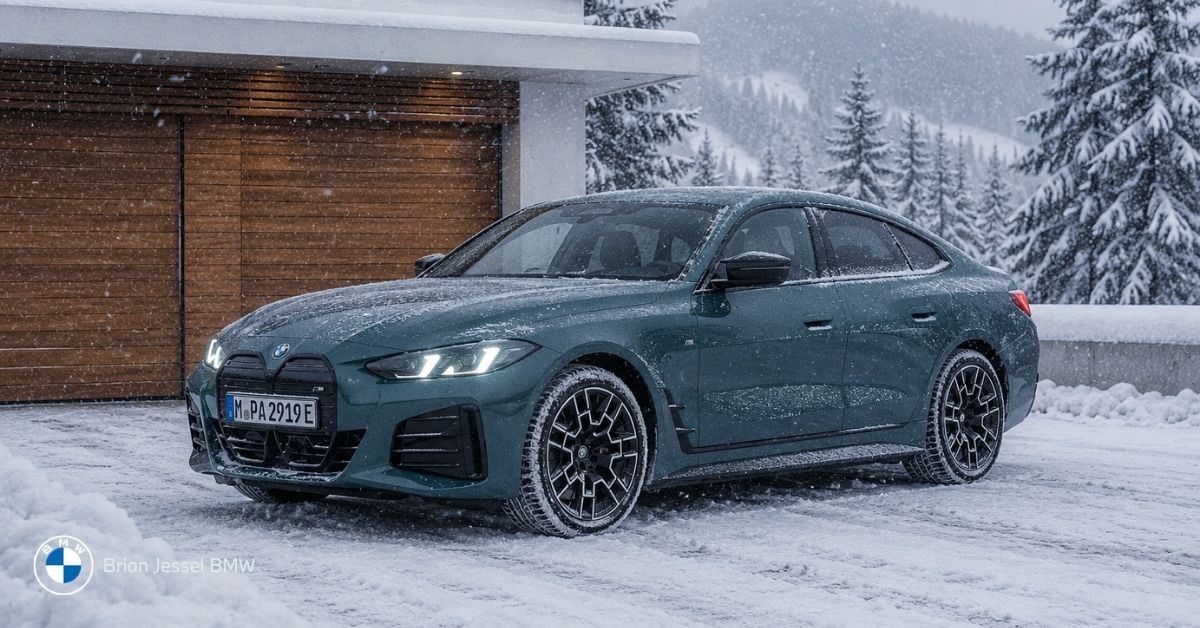
BMW i4 Range in Cold Weather: What to Expect in Canadian Winters
Official EV range numbers are measured under controlled testing conditions. Canadian winters create very different conditions, especially once temperatures drop below freezing. Cold air affects battery efficiency, while snow-covered roads, slush, cabin heating, and highway driving all increase energy use.
BCAA and CAA winter EV testing found that tested electric vehicles lost between 14 and 39 per cent of their official driving range in temperatures between roughly -7°C and -15°C. These findings reflect broader winter EV performance trends and are not specific to the BMW i4.
BMW Canada also notes that electric driving range can vary based on outside temperature, driving style, route characteristics, climate control use, and battery pre-conditioning. For Vancouver drivers, winter range loss is usually less severe than in colder provinces because Metro Vancouver experiences milder coastal winters than much of Canada.
Rather than relying on fixed winter-range estimates, drivers should expect some reduction in driving range during colder weather, especially during highway driving, mountain travel, or extended periods below freezing temperatures.
City driving can sometimes help EV efficiency during winter because lower speeds require less energy and regenerative braking recovers some power during deceleration. Highway driving generally increases winter energy use more quickly because cold air resistance rises at higher speeds.
Short winter trips can also reduce efficiency because the battery and cabin may not fully warm before the drive ends. Longer drives often become more efficient once the battery reaches operating temperature.
Learn More: BMW i4 vs i5 Comparison
BMW i4 Real-World Range in Canadian Winter Conditions
Winter EV ownership feels different depending on where you live in Canada. Environment and Climate Change Canada climate normals show Vancouver winters are significantly milder than Prairie provinces and many inland regions.
For drivers in Metro Vancouver, winter temperatures often stay close to freezing rather than dropping deeply below it. That can help reduce more significant cold-weather efficiency loss and make overnight Level 2 charging more predictable.
With regular charging access, daily commuting across Vancouver, Burnaby, Richmond, Surrey, and the North Shore is often manageable within the BMW i4’s winter driving range.
A Vancouver-to-Whistler winter drive usually uses more energy than city commuting because highway speed, elevation gain, colder temperatures, and snow-covered roads all increase battery demand.
Drivers in colder regions such as Alberta, Saskatchewan, Manitoba, or Interior B.C. should expect larger winter range reductions during extended cold periods, especially when temperatures stay below -10°C.
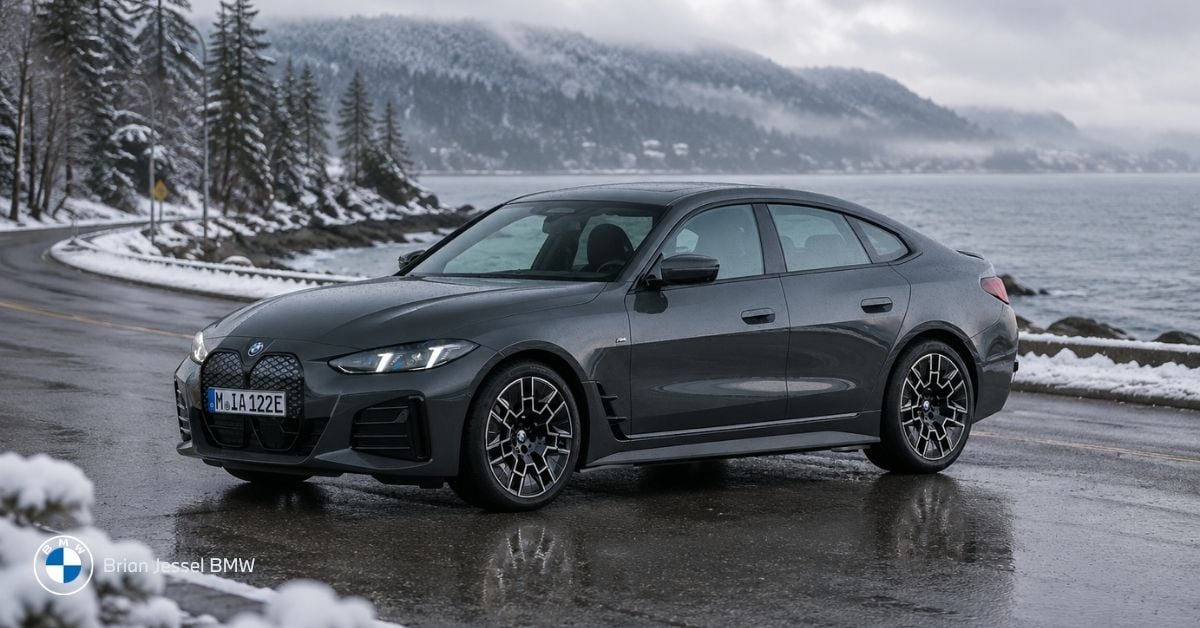
Why Does the BMW i4 Lose Range in Cold Weather?
Winter range loss comes from several factors working together during colder weather.
Battery Efficiency in Cold Temperatures
Lithium-ion batteries operate less efficiently in cold temperatures. BMW Canada states that low temperatures can reduce usable battery capacity and affect electric driving range. The battery also uses energy to maintain operating temperature during winter driving. That energy draw becomes more noticeable during short trips and cold starts. 4
Cabin Heating Energy Use
Gas-powered vehicles use engine heat to warm the cabin. Electric vehicles must use battery energy for heating instead. Heated seats and heated steering wheels generally consume less energy than continuously heating the entire cabin at higher temperatures. This is one reason many EV owners use seat heating more frequently during winter.
Road Conditions and Tire Resistance
Snow, slush, standing water, and colder pavement increase rolling resistance. Winter tires also create slightly more drag than summer tires because of their softer rubber compounds and tread patterns. Those factors become more noticeable during highway driving, where sustained speed already increases energy use.
Learn More: BMW Tire Size
Regenerative Braking Changes
Regenerative braking may feel different during very cold starts because the battery can temporarily limit energy recovery until it warms. Drivers switching from gasoline vehicles often notice this most during the first few minutes of winter driving.
Is the BMW i4 Good in Snow? Winter Driving Performance Explained
The BMW i4 can handle Canadian winter conditions well when equipped properly for snow and ice. Tire choice, drivetrain configuration, and road conditions all matter more than horsepower figures alone.
The eDrive40 uses rear-wheel drive, while the xDrive40 and M60 xDrive use BMW’s all-wheel-drive system. BMW also equips the i4 with systems such as Dynamic Stability Control, traction control, anti-lock braking, and electronic torque management to help maintain stability on slippery roads.
The battery is mounted low in the chassis, which lowers the vehicle’s centre of gravity and helps stability during winter driving. That lower weight placement can make the i4 feel more planted on snow-covered roads compared with some taller vehicles.
Winter Tires Still Matter
The i4 remains a relatively heavy vehicle, particularly in dual-motor trims. Drivers should still expect longer stopping distances on snow and ice.
Winter tires remain one of the most important winter-driving upgrades for the BMW i4. Transport Canada states that winter tires carrying the three-peak mountain snowflake symbol meet specific snow-traction standards and perform better below 7°C than all-season or summer tires.
British Columbia also requires winter tires or chains on many designated highways between October 1 and April 30.
Learn More: When Should You Replace BMW Tires in Vancouver?
BMW i4 in Snow vs Gas Cars: How Does It Compare?
The BMW i4 shares many winter-driving characteristics with traditional BMW sedans, but electric power changes a few things. Electric torque delivery is smooth and immediate, which can help traction when accelerating carefully on slippery roads. The battery’s low placement also helps stability by keeping weight low in the vehicle.
Another advantage is cabin pre-conditioning. Drivers can warm the cabin and battery while the vehicle remains plugged in, which helps comfort and efficiency before departure.
There are still trade-offs. Winter range drops compared with summer conditions, and DC fast charging can slow during very cold weather. Rear-wheel-drive trims also still require proper winter tires, especially outside Metro Vancouver.
For many Vancouver drivers, charging access and winter tire choice have a larger effect on winter ownership than drivetrain alone.
Learn More: Gas vs Electric Car Cost Comparison, BMW Electric and Hybrid Models
How to Maximize BMW i4 Range in Cold Weather
Winter EV ownership becomes easier once drivers adapt their charging and driving habits for colder temperatures.
Preconditioning the Battery
Preconditioning warms both the battery and cabin before departure while the vehicle remains plugged in. CAA recommends warming the vehicle while connected to power because it reduces battery demand once driving begins. This can improve comfort while also helping winter efficiency during the first portion of the drive.
Charging Habits in Winter
Keeping more reserve charge during winter helps reduce range concerns during colder highway trips and mountain driving. BMW Canada states that charging performance depends on battery temperature, outside temperature, state of charge, charger power, and driving profile. Many EV owners also keep the battery at a higher state of charge during winter to leave more buffer for unexpected delays, colder temperatures, or highway driving.
Using Efficient Heating Methods
Heated seats and steering wheels generally use less energy than aggressively heating the entire cabin for long periods. Moderate cabin temperatures can help reduce unnecessary winter energy use during longer trips. Pre-heating the cabin while plugged in can also help lower battery demand during cold-weather driving.
Driving Habits in Winter
Smooth acceleration and moderate highway speed can noticeably improve winter efficiency. Driving significantly above highway speed limits increases aerodynamic drag quickly, especially during cold weather. Slowing slightly during winter highway driving can make a meaningful difference in energy use over longer distances.
Tire Choice (Winter Tires)
Winter tires remain one of the most important winter-driving upgrades for the BMW i4, especially for drivers travelling through mountain routes, ski areas, or Interior B.C. highways. Even Vancouver drivers who rarely see heavy snowfall can benefit from winter tires once temperatures remain consistently below 7°C.
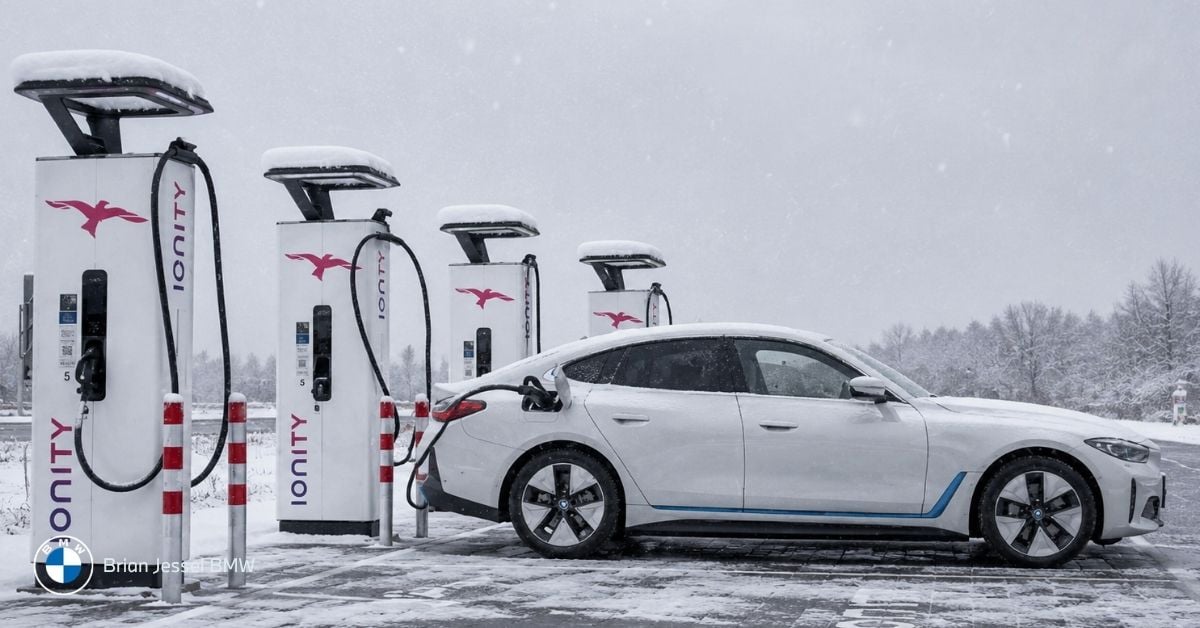
Charging a BMW i4 in Canadian Winter Conditions
BMW Canada lists the i4 eDrive40 DC fast-charging time from 10 to 80 per cent at approximately 30 minutes under suitable conditions, with maximum DC charging power of 205 kW.
For many Vancouver owners, Level 2 home charging remains the simplest winter setup because the vehicle can charge overnight and pre-condition before morning driving.
Metro Vancouver drivers also have access to public charging options from networks such as BC Hydro, FLO, Electrify Canada, and Petro-Canada, while BC Hydro continues to expand its public charging network across British Columbia.
Cold batteries may charge more slowly at DC fast chargers until they warm to operating temperature. This matters most during long winter highway drives, overnight outdoor parking, or mountain travel in colder regions.
Explore More: EV Charging Stations in Vancouver
Is the BMW i4 Practical for Daily Winter Driving in Vancouver?
For many drivers in Metro Vancouver, the BMW i4 is practical for year-round use. The Lower Mainland’s milder winter climate helps reduce severe cold-weather range loss compared with much colder Canadian regions.
Daily commuting distances across Vancouver, Burnaby, Richmond, Surrey, and nearby areas are often well within the i4’s winter driving range when regular charging access is available.
Home charging makes winter ownership considerably easier because the vehicle can remain charged and pre-conditioned overnight.
Drivers who frequently travel into colder mountain regions should still plan for reduced winter range, longer charging stops, and changing road conditions during snow season.
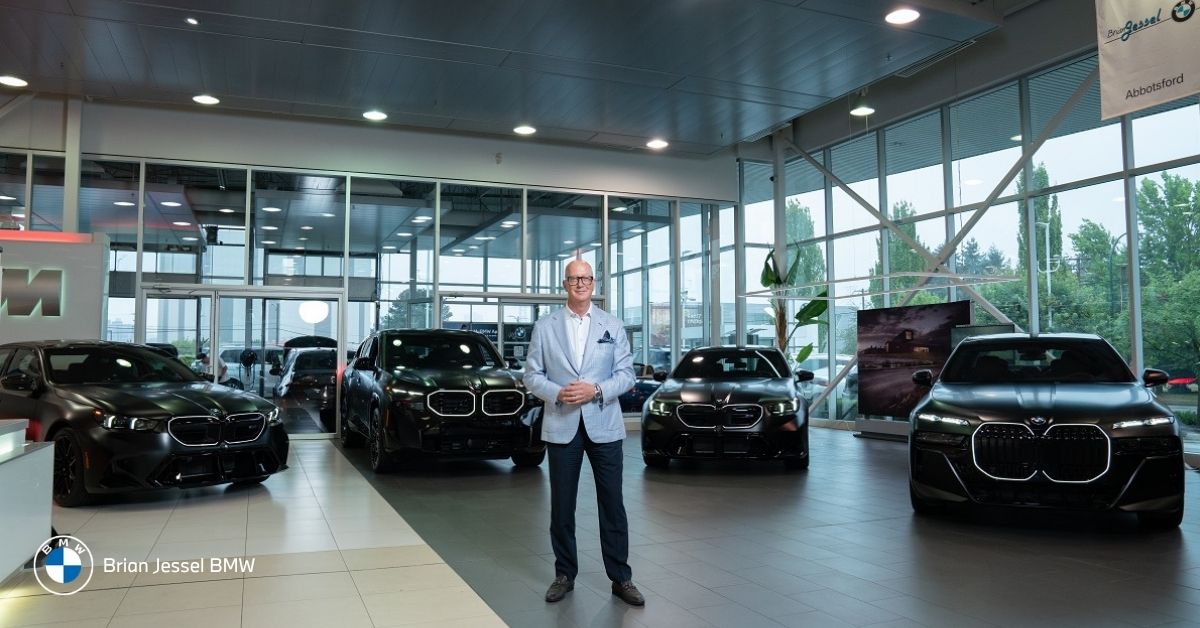
Why Buy a BMW i4 from Brian Jessel BMW in Vancouver?
Brian Jessel BMW provides BMW i4 inventory, EV model information, service and parts support, cold-weather tire resources, and local dealership assistance from its Vancouver location.
For winter EV ownership, dealership guidance can help drivers compare the eDrive40 and xDrive40, understand winter tire options, review charging needs, and prepare for driving conditions common across British Columbia.
BMW-trained EV service support and local familiarity with Vancouver commuting, mountain routes, and B.C. winter tire regulations can also help new EV owners feel more comfortable during colder months.
View BMW i4 Inventory at Brian Jessel BMW
Drivers researching the BMW i4 can browse available inventory through Brian Jessel BMW and compare trim levels, charging options, winter-driving features, and available new or pre-owned models before scheduling a consultation or test drive.
FAQs
1. What is BMW i4 range in cold weather?
Winter range depends on temperature, speed, tire choice, heating use, and road conditions. Canadian winter EV testing by BCAA and CAA found tested vehicles lost between 14 and 39 per cent of official range during winter conditions.
2. Is the i4 good in snow?
Yes, when equipped with proper winter tires and driven appropriately for winter conditions. The xDrive40 and M60 xDrive provide additional traction through all-wheel drive.
3. Is Canada too cold for electric cars?
No. EVs are used across Canada year-round, although winter temperatures can reduce driving range and charging efficiency compared with warmer weather.
4. Can I drive long distances in winter with BMW i4?
Yes, but winter highway driving requires more charging planning and additional range buffer, particularly during mountain travel or colder weather.
5. How much range do you lose in winter?
Winter range loss varies depending on temperature and driving conditions. Canadian winter EV testing found losses ranging from 14 to 39 per cent compared with official range figures.
6. Can I drive BMW i4 daily in Canada?
Yes. Many Canadian EV owners drive year-round, especially in milder regions such as Metro Vancouver where winter temperatures are less severe.
7. Is it worth buying an EV in Canada?
For many drivers, an EV can work well in Canada with realistic winter expectations, regular charging access, and proper winter tires.
Explore Latest Models Here: 2026 BMW Cars, 2025 BMW Cars, BMW Gas Vehicles, BMW Electric Car, BMW M Series for Sale, BMW Luxury Line for Sale, BMW Convertible, 2025 BMW 5 Series 530i xDrive, 2024 BMW X3 M40i xDrive, BMW X Series Comparison