When Should You Replace BMW Tires in Vancouver? A Seasonal Guide for BMW Owners
When Should You Replace BMW Tires in Vancouver? A Seasonal Guide for BMW Owners
Posted on May 20, 2026
If you drive a BMW in Vancouver, tire condition is part of keeping the vehicle safe, responsive, and comfortable. Tires affect braking, steering, wet-road grip, ride quality, and how confidently your BMW handles changing road conditions.
There is no single replacement date that applies to every BMW. Tire life depends on tread depth, tire age, driving habits, road conditions, vehicle type, and season. In Vancouver, long wet periods, cool fall mornings, shaded roads, and occasional snow make tire checks especially important before winter arrives.
Knowing when to replace BMW tires helps preserve braking performance, wet-weather traction, ride comfort, and the balanced handling BMW owners expect year-round.
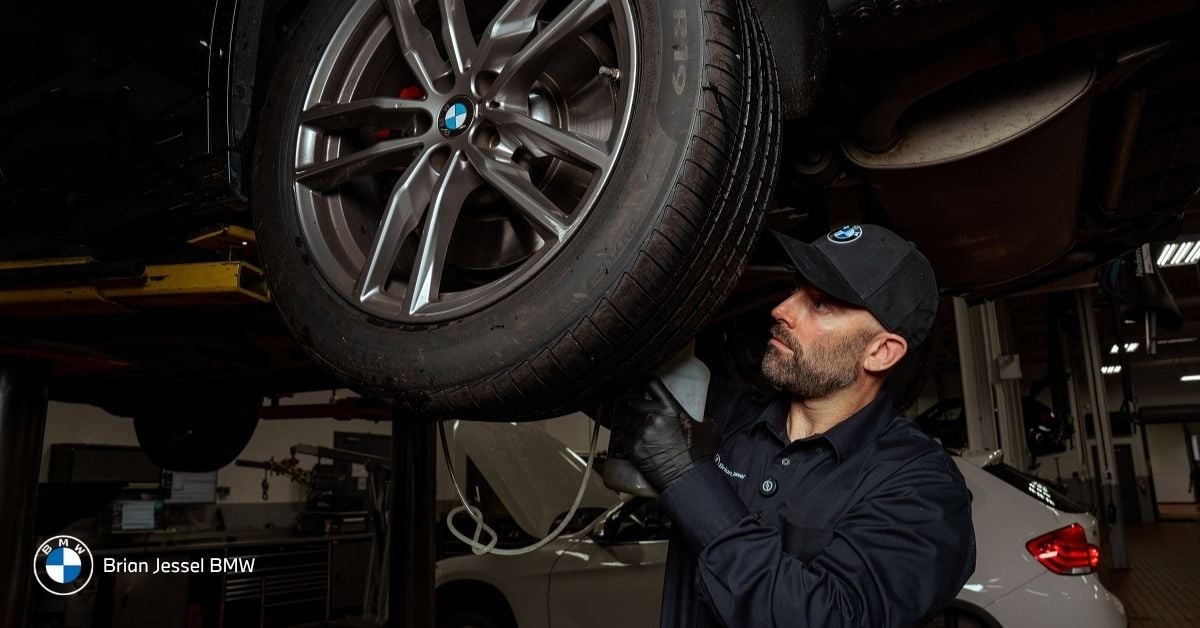
How often should BMW tires be replaced?
Most BMW tires last several years, but the actual lifespan depends on how the vehicle is driven and maintained. Some drivers may replace tires closer to 50,000 km, while others may get more use from a set. Performance-focused tires can wear faster because they are designed to support grip, braking, and steering response.
BMW vehicles may also place different demands on tires than a basic commuter car. A 3 Series, X3, X5, i4, or M model may have wider tires, performance compounds, staggered wheel sizing, xDrive all-wheel drive, or model-specific wheel and tire requirements.
BMW Canada indicates that Original BMW Wheels and Tires are designed and developed for specific vehicles, with components measured and coordinated to support BMW driving dynamics.
For many Vancouver drivers, tire inspections become more important once tread begins wearing noticeably or the tires reach several years of regular use, especially on performance-oriented BMW models.
Tire age matters too. Rubber breaks down over time, even when tread still looks usable. After about five years, tires should be checked more carefully during service visits. By around ten years from the manufacturing date, replacement is usually recommended, even if the vehicle has been driven lightly.
Learn More: BMW Tire Size
What are the signs that your BMW tires need replacement?
Tire wear can show up visually or through changes in how your BMW feels on the road. Low tread depth is the most obvious sign. Transport Canada notes that tires worn down to the tread wear indicator, approximately 1.6 mm (2/32 inch), must be replaced. It also warns that deep cuts, cracks, blisters, or bulges can be dangerous and that uneven tread wear may come from alignment or balance issues.
Cracking, dry rubber, sidewall bulges, cuts, exposed cords, vibration, pulling, increased road noise, or reduced grip in rain are all signs that tires need attention. A tire pressure warning light can also point to a leak, damage, or pressure loss.
In Vancouver, worn tires can be especially noticeable in rain. Shallow tread is less effective at moving water away from the contact patch, which can reduce grip and increase the risk of hydroplaning. If braking feels longer than usual or the car feels unsettled in wet corners, book a tire inspection.
When should you replace BMW tires in Vancouver’s climate?
Vancouver does not usually see the same winter conditions as many Canadian cities, but that does not mean tire condition is less important. Cold rain, wet leaves, shaded streets, steep roads, and quick weather changes can make worn tires a real concern.
As temperatures fall, tire rubber becomes firmer. BMW Canada indicates that the rubber compounds in all-season and summer tires stiffen in colder temperatures, reducing grip, and that BMW Approved Cold Weather Wheel Kits are designed to remain flexible at temperatures below approximately 7°C.
For Vancouver BMW owners, early fall is the right time to check tire tread, tire age, and seasonal fitment. Waiting until the first snow or freezing morning can mean driving on worn tires when traction matters most. Drivers heading to the North Shore, Whistler, the Interior, or higher-elevation highways should be even more careful, because weather can change quickly outside the city.
How to Check BMW Tire Tread, Age, and Wear Before Replacing Them
A proper tire check starts with tread depth. Use a tread depth gauge if available, or ask a service centre to measure the tread in millimetres. Do not rely only on one spot. Measure the inner, centre, and outer tread areas on each tire.
Look for even wear. Centre wear can point to overinflation, while edge wear may suggest underinflation. Wear on one side can be linked to alignment or suspension concerns. Cupping or patchy wear may also need a professional inspection.
Tire age is found through the DOT code on the sidewall. The final four digits show the week and year of manufacture. For example, 3520 means the tire was made in the 35th week of 2020. Age should be considered alongside tread depth, visible condition, and how the tire performs in wet or cold weather.
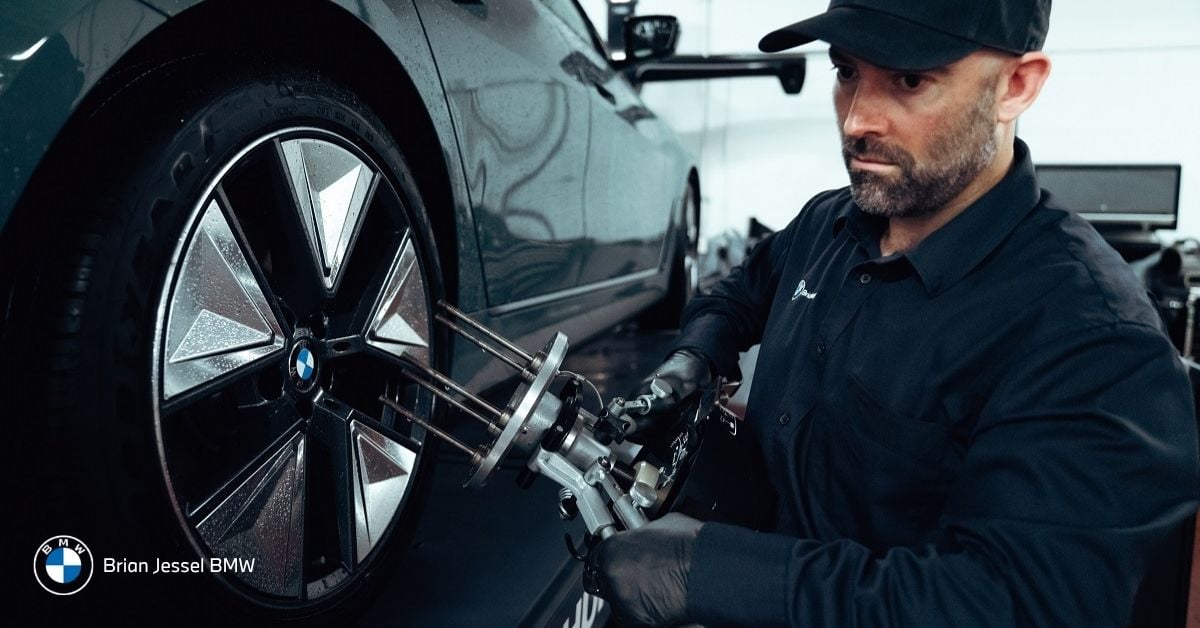
How to Extend the Life of Your BMW Tires
Regular tire pressure checks help prevent premature wear. Use the pressure listed for your BMW, usually found on the driver-side door placard or in the owner’s manual. Pressure should be checked when tires are cold.
Wheel alignment also matters. If your BMW pulls to one side or the steering wheel is off-centre, the tires may wear unevenly. Rotation can help some tire sets wear more evenly, but not every BMW setup allows standard rotation. Some models use staggered wheel sizes, meaning the front and rear tires are different sizes.
Smooth acceleration, controlled braking, and avoiding potholes can also help reduce wear, especially on performance tires and larger BMW SUVs.
Maintaining proper tire condition also helps preserve the steering precision, ride stability, and balanced handling BMW vehicles are designed to deliver.
Do BMW performance and xDrive models need tire replacement sooner?
Some BMW models can wear tires faster than others. SUVs such as the X3 and X5 carry more weight, which can affect wear, and electric BMW models can place high torque through the tires quickly.
xDrive models need careful attention to tire matching. Large differences in tread depth between tires may affect how the all-wheel drive system works. In many cases, replacing all four tires together is the safer service decision, especially when the existing tires are already significantly worn.
The right tire should match the BMW model, wheel size, load rating, speed rating, drivetrain, and season. That is one reason BMW-specific fitment matters.
When should you switch between summer and winter tires?
In Vancouver, seasonal tire timing should be based on temperature and driving plans, not just snowfall. BMW Canada’s cold-weather tire guidance points to 7°C as the temperature where cold-weather tires become important for grip.
BC winter tire rules also matter if you drive outside the city. The BC Government states that winter tires or chains are required on most designated highways from October 1 to April 30, with some routes ending March 31 depending on location.
A legal winter tire in BC must have at least 3.5 mm tread depth and be marked with either M+S or the 3-peaked mountain/snowflake symbol. BC guidance confirms that both M+S and mountain/snowflake tires meet legal requirements when tread depth is at least 3.5 mm.
For many Vancouver BMW owners, winter tires are usually installed in October or November and removed in March or April, depending on temperature, routes, and driving needs. Switching too late can reduce cold-weather traction. Keeping winter tires on too long in warm weather can wear them faster.
Can you use all-season tires instead of BMW winter tires?
All-season tires may work for some Vancouver drivers who stay mainly in the city, drive at lower elevations, and avoid winter highway travel. They are less suited to cold mountain routes, icy mornings, and snow-covered roads.
For BMW owners who drive to Whistler, the North Shore mountains, the Interior, or designated winter tire routes, winter tires are the safer choice. Mountain/snowflake tires are also recommended by the BC Government for cold weather driving and snow or ice traction.
Why Replace BMW Tires at a BMW Service Centre?
BMW tire replacement is not just about putting on a tire that fits the wheel. Size, load rating, speed rating, approved fitment, wheel package, tire pressure monitoring, alignment, and drivetrain requirements all matter.
BMW Canada indicates that Original BMW Wheels and Tires are designed for specific vehicles to support handling and performance.
Brian Jessel BMW also states that Original BMW Parts are built to the same standards as BMW vehicles, with precision and construction intended to help components work together properly.
A BMW service centre can also check for related issues such as uneven wear, pressure loss, alignment problems, suspension wear, and tire damage.

Where to Replace BMW Tires in Vancouver: Why Choose Brian Jessel BMW
Brian Jessel BMW is a Vancouver BMW dealership that sells and services new and used BMW vehicles. They offers over 40 certified, factory-trained technicians, loaner vehicles, original BMW parts and accessories, valet service, a comfortable customer lounge, and a two-year guarantee on parts and labour.
Brian Jessel BMW also promotes BMW Approved Cold Weather Wheel Packages and Original Accessories, with a reference to BMW Approved Cold Weather Tires through BMW Canada. For seasonal tire needs, BMW owners can ask the dealership about tire inspection, tire replacement, cold-weather wheel packages, seasonal changeovers, and available tire storage support.
For a BMW in Vancouver, dealership tire service can help confirm that the tire setup matches the vehicle, the season, and local driving conditions.
Explore BMW Models Designed for Performance and Safety
Tires affect how every BMW drives, from a 3 Series sedan to an X3, X5, i4, iX, or M model. Braking, wet-road grip, cornering stability, steering response, and ride quality all depend on having the right tire in good condition.
If you are shopping for a new or pre-owned BMW, tire condition is worth reviewing before purchase. Brian Jessel BMW lists new and pre-owned BMW vehicles for Vancouver shoppers and provides model information for cars, SUVs, and electric models.
Final Thoughts: When Should You Replace BMW Tires?
Replace BMW tires when tread is too low, the tire is aging, damage appears, wear is uneven, grip is reduced, or the vehicle no longer feels stable in wet or cold conditions. In Vancouver, tire checks are especially important before fall and winter because rain, cold pavement, and mountain travel can expose tire problems quickly.
If you are unsure, book a tire inspection with Brian Jessel BMW. A trained BMW technician can check tread depth, tire age, wear patterns, pressure, fitment, and seasonal tire needs before they become a safety concern.
FAQs
1. How often should BMW tires be replaced?
It depends on tire type, driving style, road conditions, and maintenance. Many drivers replace tires after several years or tens of thousands of kilometres, but performance tires may wear sooner.
2. When should BMW winter tires be installed in Vancouver?
October or November is common, especially when temperatures approach 7°C or if you plan to drive on BC routes where winter tire rules apply.
3. Can BMW tires last longer than five years?
Yes, but they should be checked more carefully as they age. Tread depth, cracks, sidewall condition, and wet-road performance all matter.
4. Is it okay to drive on all-season tires in winter?
For some city driving, yes, if the tires are in good condition and meet BC requirements where applicable. For mountain travel, cold mornings, snow, or ice, winter tires are the stronger choice.
5. How do I know if my BMW tires are worn out?
Look for low tread, visible wear bars, cracks, bulges, cuts, vibration, pulling, increased road noise, or weaker grip in rain.
6. Should I replace all four BMW tires at the same time?
Often, yes, especially on xDrive models or when tread depth differences are significant.
7. Does BMW need special tires?
BMW vehicles need tires that match the correct size, load rating, speed rating, wheel package, drivetrain, and season. BMW-specific fitment helps preserve handling and road feel.
8. Can Brian Jessel BMW help with tire service and seasonal changeovers?
Yes. Brian Jessel BMW offers BMW service in Vancouver with certified, factory-trained technicians, original BMW parts and accessories, and cold-weather wheel package support.
Explore Latest Models Here: 2026 BMW Cars, 2025 BMW Cars, BMW Gas Vehicles, BMW Electric Car, BMW M Series for Sale, BMW Luxury Line for Sale, BMW Convertible, 2025 BMW 5 Series 530i xDrive, 2024 BMW X3 M40i xDrive, BMW X Series Comparison, BMW 3 Series G50, 2026 BMW M2 xDrive G87, 2026 BMW X5 G65