BMW iX Winter Range in BC: What Vancouver Owners Should Expect
BMW iX Winter Range in BC: What Vancouver Owners Should Expect
Posted on May 25, 2026
Cold rain, wet pavement, dark mornings, and the occasional snowfall are part of winter driving in Vancouver. For anyone considering a BMW iX, one practical question usually comes up quickly: how much driving range should owners expect during a BC winter? The answer is that range does drop in cold weather, but the amount depends on temperature, speed, tires, road conditions, elevation, and heating use.
Vancouver’s winter climate is generally milder than many other Canadian cities, so BMW iX range in cold weather is often easier to manage in Metro Vancouver than in colder parts of Canada.
Understanding how the BMW iX performs during BC winters helps drivers plan charging, commuting, and longer trips more confidently.
For the 2026 BMW iX, BMW Canada lists the iX xDrive45 at up to 502 km of electric range, while the iX xDrive60 is listed at up to 586 km, depending on configuration.
BMW Canada’s current technical data lists 408 hp for the xDrive45, 536 hp for the xDrive60, and 650 hp for the M70 xDrive. BMW Canada technical data also lists the iX M70 xDrive at up to 488 km of estimated electric range.
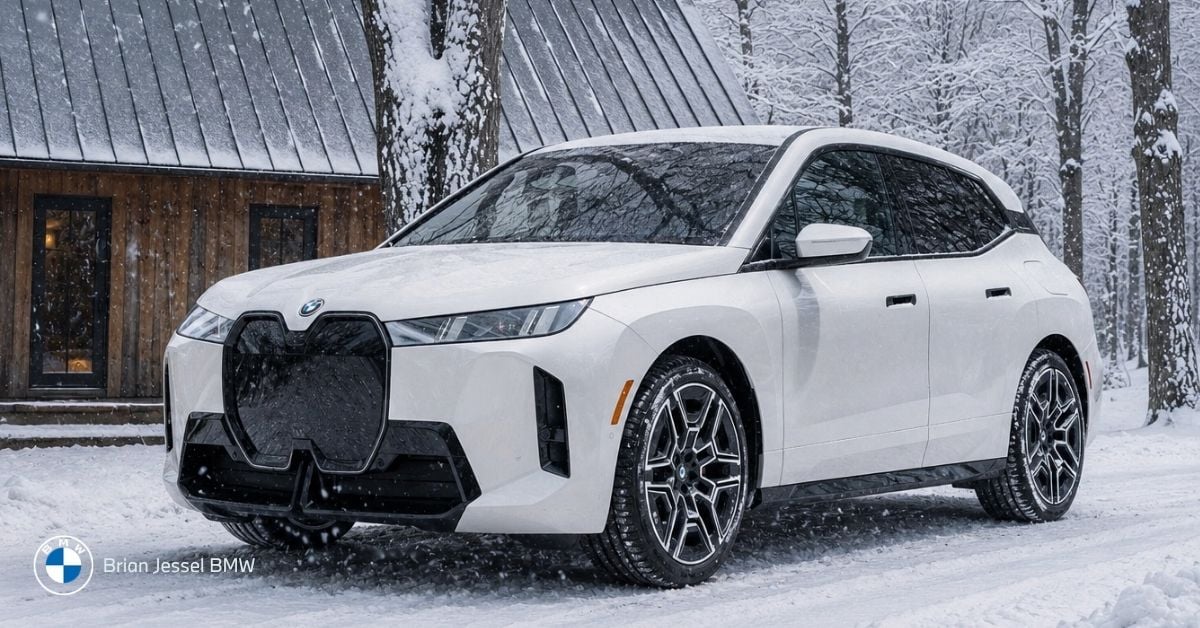
What Is the Range of the BMW iX in Winter?
Winter range depends on how and where the BMW iX is driven. Temperature, cabin heating, tire choice, and highway speed all influence how much usable range drivers will see during colder months in British Columbia.
Based on reported EV winter performance trends, Vancouver’s milder coastal climate, and typical cold-weather efficiency reductions observed across electric SUVs, many BMW iX drivers may experience approximate winter driving ranges such as:
| 2026 BMW iX Model | Official Canadian Range | Mild Vancouver Winter Planning Range | Colder BC Winter Planning Range |
| BMW iX xDrive45 | Up to 502 km | About 375–425 km | About 325–375 km |
| BMW iX xDrive60 | Up to 586 km | About 440–500 km | About 380–440 km |
| BMW iX M70 xDrive | Up to 488 km | About 365–415 km | About 315–365 km |
Note: Official range numbers are useful for comparing vehicles, but they are not a promise of what every driver will see on a wet January morning in BC. Natural Resources Canada notes that EV range ratings are based on standardized testing and may differ from real-world conditions.
These are planning estimates, not guaranteed results. A Vancouver commuter driving through city traffic in rain will usually see different results than someone travelling to Whistler in freezing temperatures at highway speeds.
Highway driving also affects winter efficiency more heavily than stop-and-go city driving. Cold air creates more aerodynamic drag at higher speeds, and sustained highway travel keeps energy consumption elevated for longer periods.
How Cold Weather Affects BMW iX Range in Cold Weather
Several factors affect BMW iX winter efficiency at the same time. The battery works differently in low temperatures, the cabin requires more heating energy, and winter roads increase resistance. Understanding these changes helps drivers set realistic expectations for winter driving.
Battery Performance in Cold Temperatures
Lithium-ion batteries become less efficient in cold weather because chemical reactions inside the battery slow down at lower temperatures. This can reduce both driving efficiency and charging speed until the battery warms to a more suitable operating temperature during driving or charging.
The BMW iX addresses this through thermal management and a standard heat pump system. BMW states that the latest iX models include predictive heat management for the high-voltage battery to support charging and efficiency in changing conditions.
Energy Used for Cabin Heating
Gas-powered vehicles use leftover engine heat to warm the cabin, but electric vehicles must use battery energy directly for heating. During winter commuting, cabin heating can become one of the largest additional energy demands placed on the BMW iX battery system.
The BMW iX uses a heat pump to reduce this energy draw, but heating still affects winter range. Heated seats and the heated steering wheel generally use less energy than maintaining a high cabin temperature.
Increased Rolling Resistance and Road Conditions
Winter roads require more energy from the vehicle because wet pavement, slush, snow, and colder temperatures increase rolling resistance. Winter tires can also slightly reduce efficiency compared with all-season tires because of their softer rubber compounds and tread design.
This matters on BC routes such as Highway 1, the Sea to Sky Highway, and the Coquihalla, where elevation changes, cold temperatures, and highway speeds combine to increase energy use.
Regenerative Braking Efficiency Changes
Regenerative braking may be temporarily reduced when the battery is very cold because the system limits how much energy can safely return to the battery pack. Until the battery warms, the vehicle may rely more heavily on conventional braking systems.
This is part of the battery protection system and is common in electric vehicles during winter conditions.
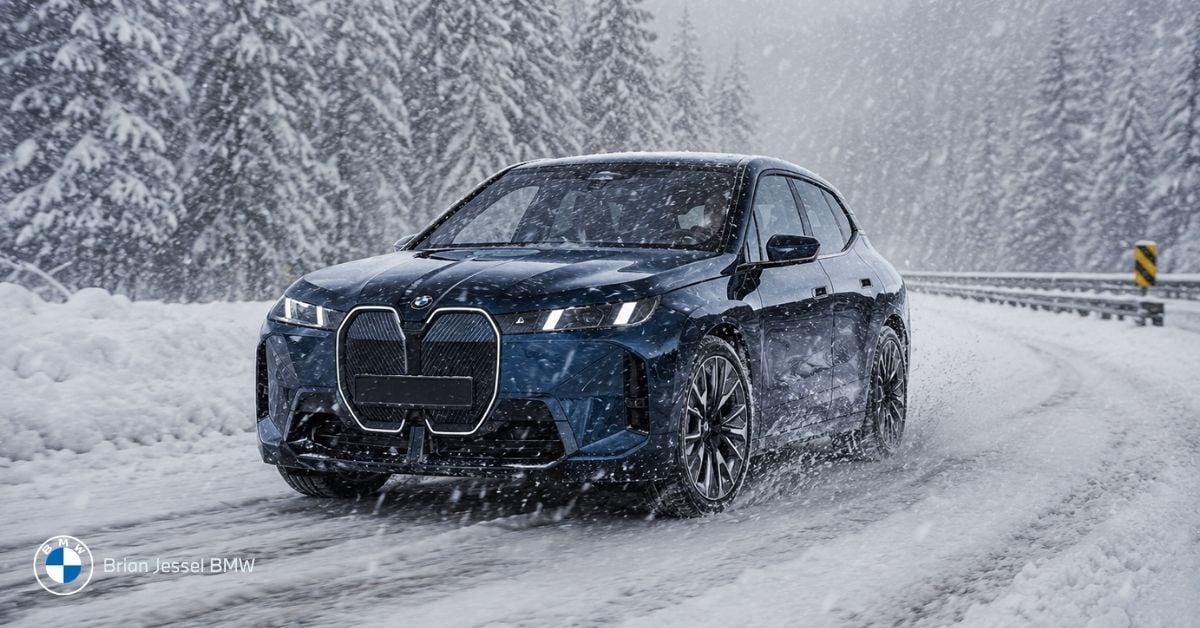
BMW iX Range in Cold Weather: What Vancouver Drivers Should Expect
Vancouver’s climate creates different EV driving conditions than most Canadian cities. Coastal temperatures are usually milder, and heavy snow is less common, which can help reduce the amount of winter range loss many BMW iX drivers experience.
Vancouver winters are usually cool, wet, and comparatively mild by Canadian standards, with temperatures often near or above freezing and rain more common than sustained heavy snow. Urban commuting patterns in Metro Vancouver also tend to involve shorter daily distances than many suburban or rural Canadian regions.
That combination generally helps the BMW iX maintain more stable winter efficiency compared with provinces that experience prolonged sub-zero temperatures.
For daily commuting around Vancouver, Burnaby, Richmond, North Vancouver, Surrey, and Coquitlam, the BMW iX should remain practical for many drivers throughout winter, especially with home charging.
Longer drives to Whistler, Kamloops, Kelowna, or other Interior BC destinations require more planning because colder temperatures, mountain grades, and highway speeds can reduce available range more quickly.
How Much Range Loss Does the BMW iX Experience in Winter?
Winter range loss varies based on weather conditions, route type, tire setup, and driving style. Vancouver drivers will usually see smaller reductions than drivers in colder Canadian regions, but some decrease in range should still be expected during winter.
A practical Canadian estimate is:
- Mild Vancouver winter: about 15% to 25% range loss
- Colder BC winter driving: about 25% to 35% range loss
- Severe cold, heavy snow, mountain driving, or strong headwinds: sometimes more
CAA’s Canadian winter EV testing recorded range reductions from 14% to 39% in temperatures between approximately -7°C and -15°C.
How to Maximize BMW iX Winter Range in BC
Small driving and charging adjustments can reduce winter energy use noticeably. Most winter range improvements come from managing battery temperature, limiting unnecessary heating demand, and planning charging more carefully during colder weather.
Preconditioning the Battery
Preconditioning warms both the cabin and battery before driving while the BMW iX remains plugged into a charger. This reduces the amount of battery energy needed immediately after departure and can improve winter driving efficiency during the first part of the trip.
Smart Charging Habits in Cold Weather
Charging shortly before departure can help keep the battery warmer and more responsive in winter conditions. This is especially useful during colder BC mornings when battery temperatures may drop overnight if the vehicle is parked outside.
For DC fast charging, setting the charger as the destination in the BMW navigation system may allow the vehicle to warm the battery before arrival, which can improve charging performance in colder weather.
Using Eco Driving Modes
Efficient driving modes reduce energy use by adjusting throttle response and climate settings. Smoother acceleration also reduces unnecessary energy consumption during wet or snowy driving conditions commonly experienced throughout Vancouver winters.
Managing Cabin Heating Efficiently
Using heated seats and the heated steering wheel first can reduce energy use compared with relying heavily on cabin heating alone. This becomes especially noticeable on shorter winter trips where heating demand represents a larger share of total battery use.
Tire Choice and Maintenance
Winter tires can slightly reduce efficiency because of increased rolling resistance, but they remain important for traction, braking, and winter safety throughout British Columbia. Proper tire pressure is also important because colder weather naturally lowers tire pressure over time.
BC requires winter tires or chains on most designated routes from October 1 through April 30. For select highways not located through mountain passes or high-snowfall areas, requirements end March 31.
Learn More: When Should You Replace BMW Tires in Vancouver?
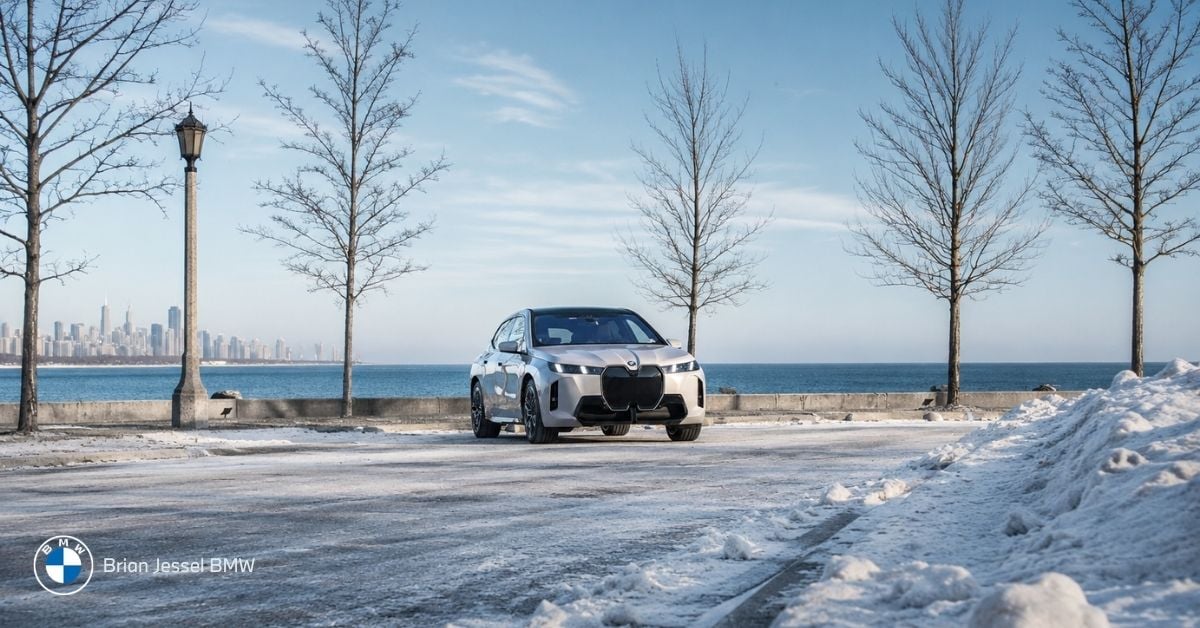
Is the BMW iX Reliable for Winter Driving in Vancouver and BC?
Winter EV reliability concerns are common among buyers moving from gasoline vehicles to electric SUVs. The BMW iX includes several systems designed specifically to support colder-weather driving across both urban and mountain conditions in British Columbia.
The BMW iX includes all-wheel drive, battery thermal management, traction systems, and modern driver-assistance technology designed to support driving in rain, snow, and colder temperatures.
For Vancouver and the Lower Mainland, the combination of milder temperatures and shorter urban commuting distances generally makes winter EV ownership more manageable than in many colder Canadian regions.
Drivers travelling regularly to Whistler or Interior BC should still account for colder weather, elevation changes, and charging access during winter trips.
Charging a BMW iX in Winter in British Columbia
Winter charging behaviour differs from summer charging because colder batteries accept energy more slowly. Planning charging stops carefully becomes more important during winter road trips, especially when driving through colder BC regions or mountain routes.
Cold batteries charge more slowly, especially during DC fast charging. Home charging remains the most consistent winter charging solution for many Vancouver-area EV owners. British Columbia continues adding public charging infrastructure across major urban centres and highway corridors.
BC Hydro reports that it now offers over 800 public charging ports across British Columbia, including high-powered chargers in Burnaby.
Winter charging sessions may take longer if the battery is very cold. A short drive before fast charging or battery preconditioning through navigation routing can help improve charging speed.
Learn More: BMW iX Charging Guide
Comparing BMW iX Winter Range to Other Electric SUVs
Many EV shoppers compare the BMW iX against other luxury electric SUVs before making a purchase decision. Winter range, charging behaviour, and cold-weather efficiency are all important considerations for BC buyers researching long-term ownership.
The BMW iX competes with luxury electric SUVs including the Tesla Model X, Audi Q8 e-tron, and Mercedes-Benz EQE SUV. The BMW iX xDrive60 currently offers a competitive official Canadian driving range within the luxury electric SUV segment at up to 586 km, depending on configuration.
The Tesla Model X remains competitive for highway efficiency and charging access through Tesla’s Supercharger network, while the Audi Q8 e-tron focuses more heavily on ride comfort and interior refinement. The Mercedes-Benz EQE SUV balances luxury features with moderate efficiency.
Winter range loss affects all of these vehicles because cold weather changes battery efficiency, heating demand, and rolling resistance.
The BMW iX stands out through its combination of long official range, battery thermal management, standard heat pump system, and available high-speed charging capability.
Learn More: Is the BMW iX Worth the Price?

Why Buy a BMW iX from Brian Jessel BMW in Vancouver?
Buying an EV involves more than comparing specifications online. Vancouver and BC drivers often need guidance about charging setup, winter range expectations, maintenance requirements, and differences between available BMW iX trims.
Brian Jessel BMW can help Vancouver and BC drivers compare trims, review expected winter driving range, discuss home charging options, and choose suitable winter wheel and tire packages.
The dealership also provides BMW EV servicing, maintenance support, and guidance for drivers moving from gasoline vehicles into electric ownership for the first time.
Brian Jessel Pre-Owned may also offer select pre-owned BMW EV inventory and trade-in support within the Greater Vancouver area.
View BMW iX Inventory at Brian Jessel BMW
Drivers interested in the BMW iX can compare available models through Brian Jessel BMW in Vancouver. Reviewing inventory locally also allows buyers to compare wheel packages, trim levels, and available features that may affect winter efficiency and driving comfort.
Both new and pre-owned BMW iX models may be available depending on current inventory levels.
A product specialist can also help explain trim differences, winter charging expectations, range planning, and available winter wheel packages for BC driving conditions.
FAQs
1. What Is the Range of the BMW iX in Winter?
In Vancouver winter conditions, many drivers should expect roughly 15% to 25% less range than official estimates. Colder BC regions may experience larger reductions depending on temperature, driving speed, and elevation changes.
2. Does the BMW iX Lose Range in Winter?
Yes. Cold weather affects battery efficiency, heating demand, tire rolling resistance, and regenerative braking performance, all of which contribute to increased energy consumption during winter driving conditions.
3. How Much Range Loss Should I Expect?
Most drivers should expect about 15% to 35% winter range loss depending on weather, route conditions, tire setup, cabin heating use, and whether driving occurs mainly in the city or on highways.
4. Can I Drive Long Distances in Winter with a BMW iX?
Yes, but winter road trips require more planning than summer travel because charging speed, mountain routes, colder temperatures, and weather conditions can all affect available driving range and charging frequency.
5. Does Cold Weather Damage EV Batteries?
Winter range loss is usually temporary. Long-term battery degradation is influenced more heavily by age, charging habits, and prolonged exposure to heat than by normal Canadian winter driving conditions.
6. How Can I Improve EV Range in Winter?
Preconditioning, proper tire pressure, moderate highway speeds, smooth acceleration, and efficient cabin heating habits can all help reduce winter energy consumption and improve overall driving range during colder weather.
7. Is Vancouver Weather Good for EVs?
Compared with many Canadian cities, Vancouver’s milder coastal climate generally makes EV ownership easier during winter, although rain, mountain driving, and occasional snow still affect range and charging behaviour.
Explore Latest Models Here: 2026 BMW Cars, 2025 BMW Cars, BMW Gas Vehicles, BMW Electric Car, BMW M Series for Sale, BMW Luxury Line for Sale, BMW Convertible, 2025 BMW 5 Series 530i xDrive, 2024 BMW X3 M40i xDrive, BMW X Series Comparison, BMW 3 Series G50, 2026 BMW M2 xDrive G87, 2026 BMW X5 G65