Top BMWs for Winter Driving in Vancouver, Canada
Top BMWs for Winter Driving in Vancouver, Canada
Posted on April 8, 2026
Top BMWs for Winter Driving in Vancouver, Canada
Winter driving in Vancouver brings a distinct set of challenges. Drivers regularly encounter heavy rainfall, standing water, slush, occasional snowfall, black ice on shaded roads, and sudden temperature shifts, especially near the coast and at higher elevations such as North Vancouver and West Vancouver.
These changing conditions demand strong traction, stable handling, and dependable braking performance. For professionals and families who rely on their vehicles daily, choosing the best BMW for winter driving means looking beyond performance alone.
Stability, braking control, comfort features, and winter tire compatibility all matter. The following BMW models handle Vancouver’s winter conditions with confidence, and Brian Jessel BMW can help drivers in selecting and preparing a winter-ready vehicle.
Note: BMW refers to its SUVs as Sport Activity Vehicles (SAVs), emphasizing performance and on-road dynamics. For clarity, this guide uses the more familiar term “SUV” when discussing BMW’s off-road-capable models.
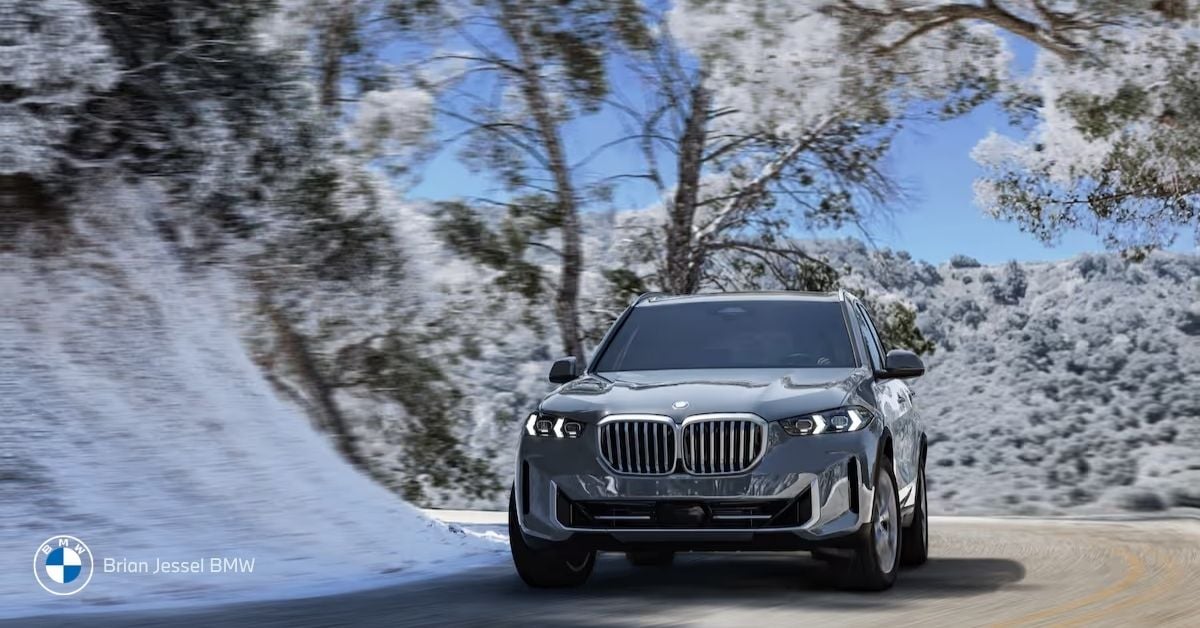
Best BMW Models for Winter Driving
BMW’s xDrive all-wheel-drive system is available across much of the lineup, from sport sedans to SUVs. For Vancouver’s combination of rain, wet highways, icy side streets, and occasional snow accumulation, the following models stand out.
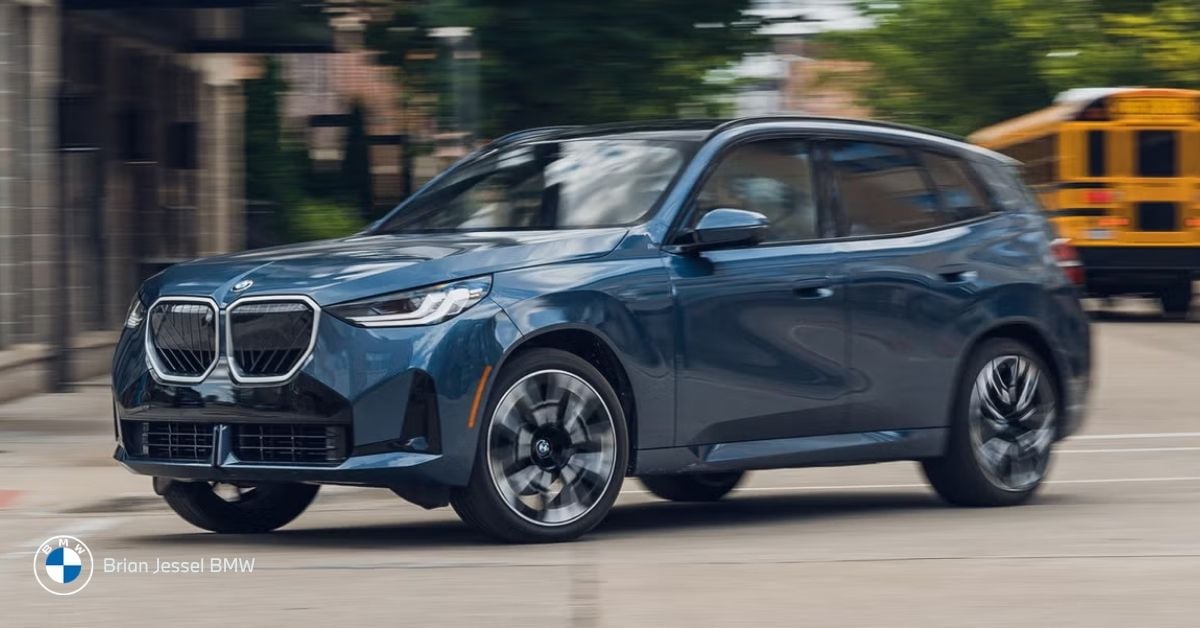
BMW X3 xDrive
The BMW X3 xDrive is widely considered one of the most capable BMW options for winter driving among compact luxury SUVs.
Why it works well in Vancouver winters:
- Standard BMW xDrive all-wheel drive
- Balanced ride height for moderate snow and slush
- Dynamic Stability Control (DSC) and traction management systems
- Available heated front and rear seats
- Heated steering wheel and heated washer jets
- Strong visibility and driver-assistance features
The X3’s ground clearance and intelligent torque distribution make it well suited for mixed winter conditions, from downtown rain to snow-covered residential streets.
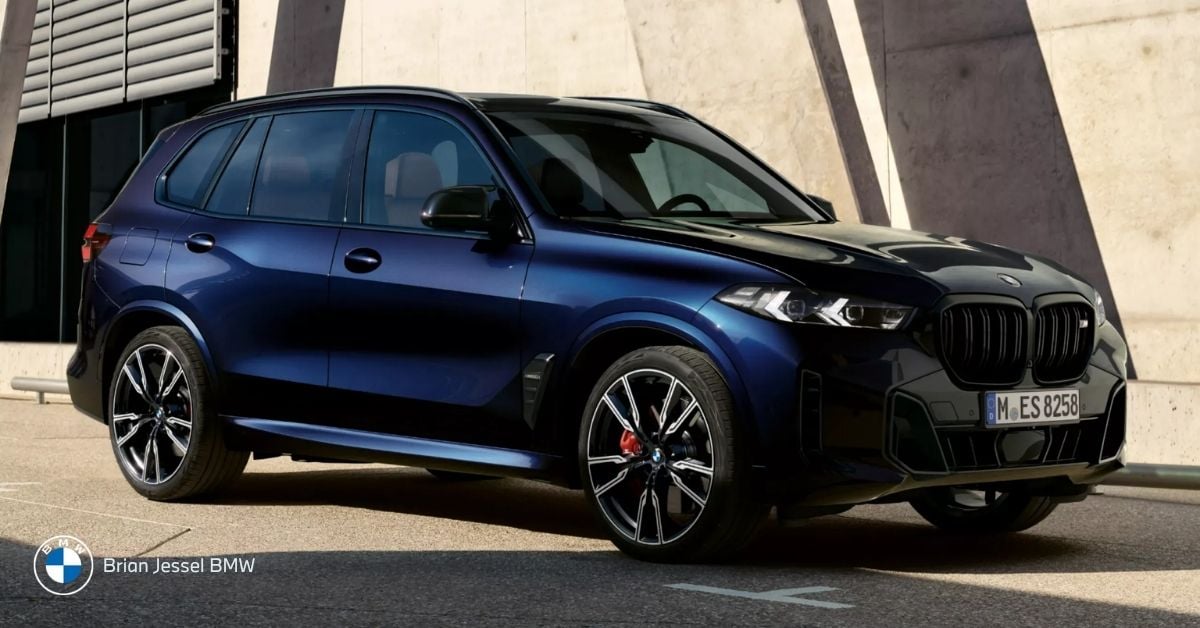
BMW X5 xDrive
For drivers who want additional space and increased ride height, the BMW X5 xDrive offers added winter capability.
Winter strengths:
- xDrive AWD with rapid torque adjustments
- Higher ground clearance than compact SUVs
- Optional air suspension (on select trims)
- Advanced driver assistance systems
- Available multi-zone climate control and heated seating
In heavier snowfall or when travelling to Whistler or the Sea-to-Sky corridor, the X5’s added mass and clearance provide reassuring stability.
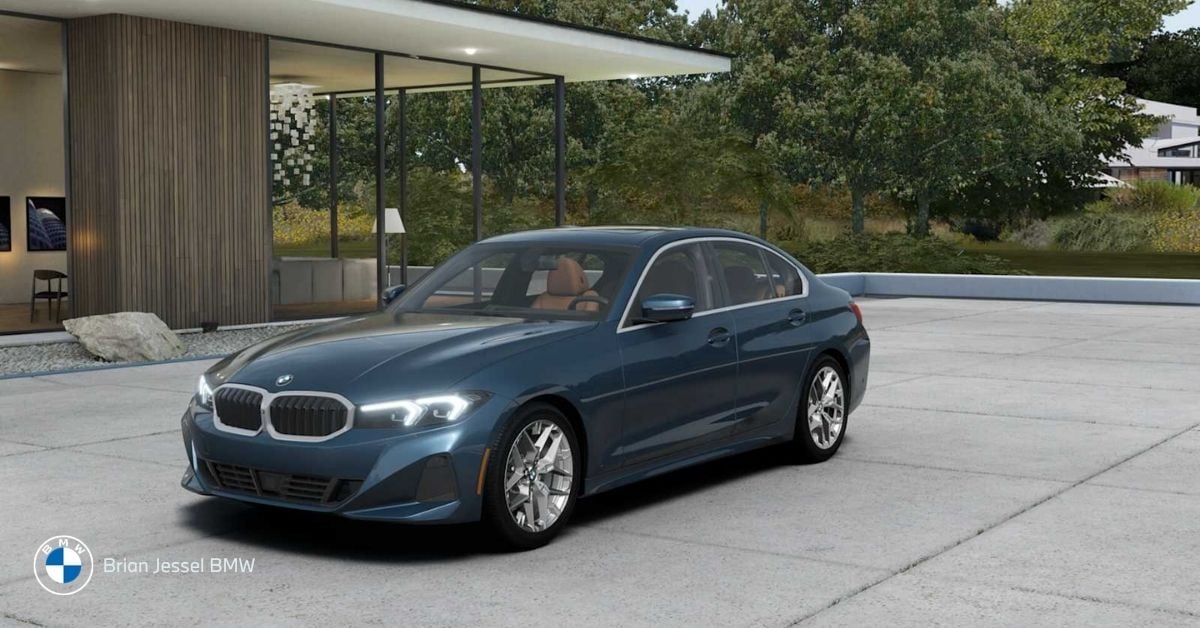
BMW 3 Series xDrive
For those who prefer a sport sedan, the BMW 3 Series xDrive is often mentioned as a strong BMW option for rain and light snow.
Winter advantages:
- xDrive AWD in a lower, balanced chassis
- Precise steering on wet pavement
- Strong braking performance
- Heated seating and steering options
- Compatible with dedicated winter wheel packages
In Vancouver’s frequent rainfall, the 3 Series xDrive offers confident grip without the size of an SUV.
BMW 5 Series xDrive
The BMW 5 Series xDrive combines executive comfort with winter readiness.
Key features for winter driving:
- Advanced xDrive torque distribution
- Adaptive suspension systems
- High-quality insulation for quiet cabin driving during storms
- Heated and ventilated seating options
- Expanded driver assistance technologies
For professionals commuting longer distances in winter conditions, the 5 Series offers refined stability.
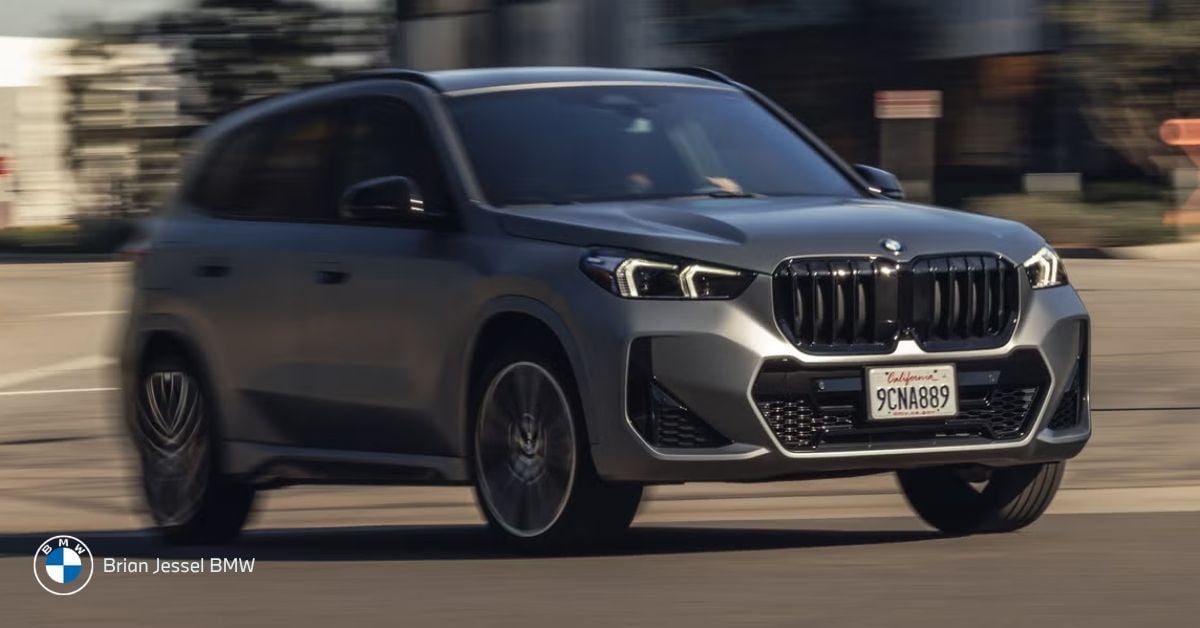
BMW X1 xDrive
The BMW X1 xDrive provides a compact footprint while maintaining AWD capability.
Winter benefits:
- xDrive AWD system
- Efficient fuel consumption for city driving
- Heated features available
- Compact dimensions for urban parking
It suits drivers who want BMW winter traction in a smaller format.
Comparison Chart: BMW Winter Performance Overview
Choosing the right BMW for winter driving depends on traction technology, clearance height, comfort systems, and real-world road conditions. This comparison highlights how each model performs when temperatures drop and roads become unpredictable.
| Model | AWD (xDrive) | Ride Height Position | Winter Comfort Features | Best Suited For |
| X1 xDrive | Yes | Higher Than BMW Sedans | Heated Seats, Heated Steering Wheel | Urban Winter Commuting |
| X3 xDrive | Yes | Balanced Compact SUV Clearance | Advanced Traction Control, Dynamic Stability Control | City & Mountain Driving |
| X5 xDrive | Yes | Increased SUV Ground Clearance | Advanced Climate Control, Available Air Suspension | Snowfall & Highway Travel |
| 3 Series xDrive | Yes | Lower Sport Sedan Ride Height | Heated Seats, Heated Steering Wheel | Rain & Light Snow |
| 5 Series xDrive | Yes | Executive Sedan Ride Height | Executive Comfort, Advanced Driver Assistance | Long Winter Commutes |
Best BMW for Snow
When snowfall accumulates in Vancouver or along routes such as the Sea-to-Sky Highway, ground clearance and torque distribution become more significant. Vehicles must maintain traction while clearing slush and compacted snow without losing directional control.
Within the current BMW lineup, the BMW X3 xDrive and BMW X5 xDrive are often considered leading options for drivers seeking the best BMW for snow.
Why the X3 xDrive and X5 xDrive Perform Well in Snow
Higher Ride Height Compared to Sedans: Both models sit higher than the 3 Series or 5 Series, helping reduce contact with deeper snow and uneven winter surfaces.
Rapid Torque Transfer Between Axles: BMW’s xDrive system continuously adjusts torque distribution between the front and rear wheels. When wheel slip is detected, power is redirected quickly to maintain grip.
Integrated Stability Systems: Dynamic Stability Control (DSC) and traction management systems monitor wheel speed and steering input, helping maintain composure on slippery surfaces.
Integrated Stability and Traction Systems: BMW’s Dynamic Stability Control (DSC), traction management, and xDrive torque distribution work together to help maintain composure on slippery inclines and uneven winter surfaces.
For drivers who regularly travel outside central Vancouver into higher elevations or regions with heavier snowfall, the X3 xDrive and X5 xDrive provide additional confidence due to their SUV proportions and winter-focused drivetrain systems.
Best BMW for Rain
In Vancouver, winter driving is often shaped more by sustained rainfall than by heavy snowfall. Wet pavement, pooled water on highways, reduced visibility, and slippery intersections are common during the colder months.
In these conditions, stability, braking precision, and steering response become especially important. Among the current lineup, the BMW 3 Series xDrive and BMW 5 Series xDrive are well suited to wet, rainy environments.
Why These Models Perform Well in Rain
Balanced Weight Distribution: BMW’s weight balance contributes to stable cornering and predictable handling on slick pavement.
Responsive Steering: Precise steering input helps maintain control during sudden lane changes or when avoiding standing water.
All-Wheel Drive Traction During Acceleration: xDrive distributes torque to help reduce wheel spin when accelerating from wet intersections or merging onto highways.
Advanced Braking Systems: Modern BMW braking systems work in coordination with stability control to maintain composure during hard stops on rain-soaked roads.
For professionals commuting daily across Vancouver in persistent rain, the 3 Series xDrive and 5 Series xDrive offer steady handling and controlled performance in wet winter conditions.
Features to Look for in the Best BMW for Winter Driving
Selecting the best BMW for winter driving in Vancouver requires careful evaluation of traction technology, ground clearance, cold-weather comfort systems, and proper seasonal tire preparation to ensure safety, stability, and confidence in challenging conditions.
All-Wheel Drive (AWD)
BMW’s xDrive system monitors wheel speed and road conditions, transferring torque as needed. In slippery Vancouver conditions, this reduces wheel spin and improves stability. The system works continuously rather than only after slip occurs, helping maintain smoother acceleration and improved balance during rain, slush, and light snowfall.
Heated Seats and Steering Wheel
Cold mornings and damp conditions make heated features practical. They also improve driver comfort and alertness during early commutes. Quick cabin warming reduces windshield fogging and helps maintain concentration, especially during dark winter mornings and stop-and-go traffic in heavy rain.
Ground Clearance and Traction Control
Higher ground clearance helps when snow accumulates on residential streets. BMW’s Dynamic Stability Control (DSC) and traction management systems help maintain composure on icy patches. These systems monitor steering angle and wheel speed, adjusting braking and torque delivery to help maintain directional stability on uneven or slick surfaces.
Winter Tire Compatibility
Regardless of model, the best BMW for winter tire use is one that supports dedicated winter wheel sets. BMW offers factory-approved winter tire packages designed specifically for each model’s weight and drivetrain configuration.
Using manufacturer-approved winter tires improves braking performance, cornering grip, and overall safety when temperatures drop below 7°C and pavement becomes unpredictable.
Best BMW Winter Tires
Even the most advanced all-wheel-drive system cannot replace proper winter tires. In Vancouver, where tire manufacturers generally recommend installing winter tires when temperatures consistently fall below 7°C, tire performance plays a major role in safety and control.
The rubber compounds in winter tires are engineered to remain flexible in cold weather, allowing them to maintain grip on rain-soaked pavement, slush, compact snow, and light ice.
Why Winter Tires Matter for BMW Performance
BMW vehicles are engineered with precise handling characteristics and balanced weight distribution. To maintain that stability in winter, the right tire compound and tread design are essential.
Winter tires improve:
- Grip During Acceleration: Reducing wheel spin on wet or icy surfaces
- Braking Performance: Shortening stopping distances in cold temperatures
- Cornering Stability: Enhancing control during lane changes and turns
- Water and Slush Evacuation: Minimizing hydroplaning risk
For Vancouver drivers, where rainfall is frequent and temperatures fluctuate, winter tires provide added confidence even when snow accumulation is minimal.
Recommended Winter Tire Brands for BMW
For BMW models, commonly recommended winter tire options include:
- Michelin X-Ice Series – Known for strong ice braking and quiet performance
- Bridgestone – Recognized for traction on packed snow and wet roads
- Pirelli – Designed for performance-oriented winter driving
- Continental – Balanced grip for slush, rain, and light snow
Each of these brands offers sizes and load ratings compatible with BMW factory wheel specifications.
Key Winter Tire Considerations
Tread Pattern: Winter tread designs include deeper grooves and additional biting edges to channel slush and standing water away from the contact patch.
Cold-Weather Rubber Compound: Unlike all-season tires, winter compounds remain pliable in cold conditions, maintaining road contact when temperatures drop.
Tire Pressure Monitoring: Cold air reduces tire pressure. Drivers should regularly check pressure levels, as underinflated tires can affect handling and braking.
Seasonal Storage: Proper storage during warmer months helps preserve rubber integrity and extend tire life.
Brian Jessel BMW offers winter tire packages engineered to match BMW specifications, helping ensure compatibility with xDrive systems and overall vehicle performance.
Why Choose a BMW for Winter Driving in Vancouver?
Vancouver winters bring persistent rainfall, slushy intersections, occasional snowfall, freezing overnight temperatures, and elevation changes toward the North Shore and mountain highways. Wet pavement can quickly become slick, and shaded areas may develop black ice during early commutes.
These conditions require a vehicle designed for predictable handling and road grip. Strong braking systems, intelligent torque distribution, and well-tuned traction control are essential for maintaining control on wet or icy roads.
Winter tires are equally important. While all-wheel drive improves acceleration and balance, winter tires use cold-weather compounds and specialized tread patterns to provide stronger grip in rain, slush, and snow.
Many BMW vehicles are engineered with near-50:50 weight distribution and advanced electronic control systems. The xDrive all-wheel-drive system works with Dynamic Stability Control and selectable driving modes to help maintain vehicle control when road surfaces become slippery. For Vancouver drivers, this combination supports steady, controlled winter performance.
How BMW’s xDrive All-Wheel Drive System Handles Winter Roads
BMW’s xDrive all-wheel-drive system is engineered to respond quickly to changing road conditions, which is especially valuable during Vancouver’s wet winters. It continuously monitors wheel speed, steering angle, throttle input, and overall vehicle dynamics, redistributing torque between the front and rear axles within milliseconds.
Unlike basic AWD systems that primarily react after wheel slip occurs, BMW’s xDrive integrates predictive sensors and vehicle dynamics data to redistribute torque before significant traction loss develops. Working alongside Dynamic Stability Control (DSC), it helps maintain composure before instability becomes noticeable.
In snowy or rain-soaked conditions, this system helps:
- Reduce understeer during cornering
- Improve acceleration on slick surfaces
- Maintain directional stability
- Support traction and braking systems
By combining rear-biased handling with rapid torque adjustment when needed, xDrive supports steady and controlled winter performance.
BMW Driving Modes to Improve Winter Performance
BMW vehicles offer selectable driving modes that adjust throttle response, transmission behaviour, steering weight, and stability settings. These modes allow drivers to adapt the vehicle’s performance to changing winter conditions such as rain, slush, or light snow.
Traction-Focused Driving Settings
Many BMW models adjust throttle response, stability control sensitivity, and power delivery to support driving on slippery surfaces. These calibrations help limit wheel spin and maintain smoother acceleration on snow-covered or icy roads.
Eco Pro Mode
Eco Pro encourages gradual throttle application and earlier transmission shifts. In slippery conditions, smoother acceleration reduces sudden torque delivery, helping maintain grip on wet or cold pavement.
Comfort Mode
Comfort mode balances power delivery and suspension settings for steady, predictable handling. This setting is well suited to heavy rain or damp urban driving where stability and control are priorities.
Sport Mode
Sport mode sharpens throttle response and steering feel. While typically less suitable for icy surfaces, it can remain useful in cold but dry winter conditions where enhanced responsiveness is desired.
Selecting the appropriate driving mode helps drivers adjust vehicle behaviour to match Vancouver’s shifting winter road conditions. 2
How to Prepare Your BMW for Winter Driving in Vancouver
Winter readiness involves more than selecting the right model. Proper preparation helps maintain traction, reliability, and visibility during Vancouver’s colder months.
Install the Right Winter Tires
Winter tires are essential once temperatures consistently drop. They are engineered with cold-weather rubber compounds and tread patterns that provide improved grip on wet pavement, slush, and light snow. When selecting winter tires for a BMW, it is important to choose sizes and load ratings approved for the specific model and drivetrain configuration.
Complete a Pre-Winter Maintenance Check
Before winter arrives, drivers should review key vehicle systems:
- Inspect battery health, as cold temperatures reduce battery performance
- Check coolant levels to prevent freezing
- Replace worn wiper blades for improved visibility
- Top up winter-grade windshield washer fluid
- Inspect brake condition to ensure reliable stopping performance
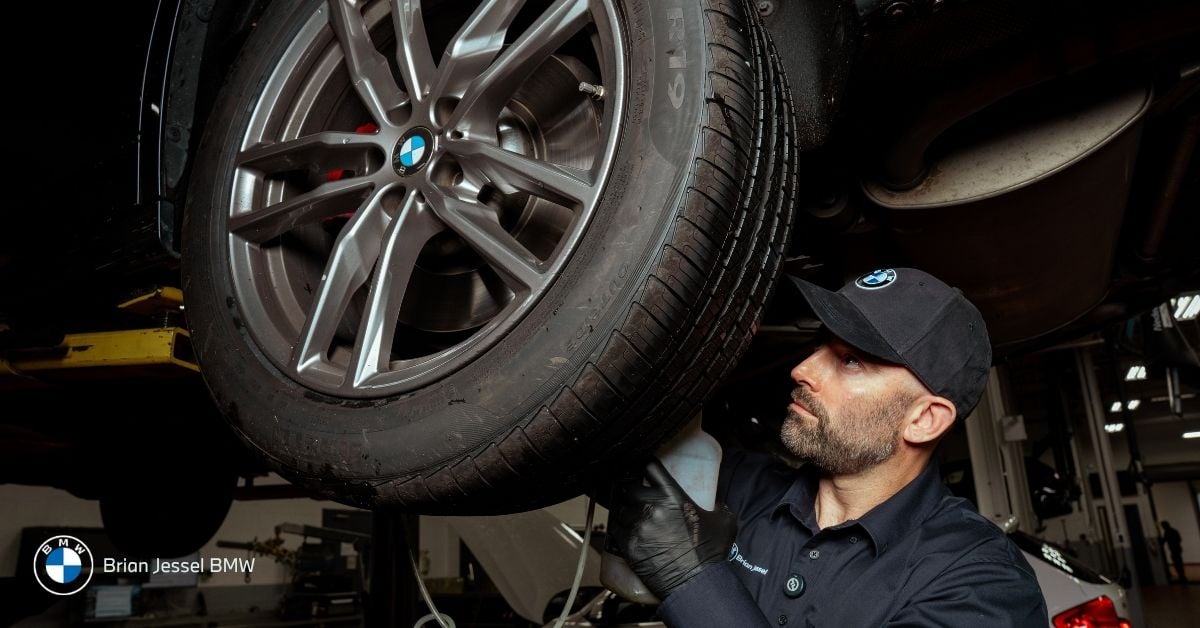
Brian Jessel BMW offers winter inspections, BMW-approved tire packages, and seasonal servicing designed for Vancouver’s climate. Professional servicing helps ensure that xDrive systems, braking components, and electronic stability features are functioning as intended before winter conditions intensify.
Vancouver's Winter Weather: What to Expect and How to Prepare Your BMW
Vancouver’s coastal winters are typically wet rather than heavily snowy. Persistent rain, occasional heavy wet snow, icy bridges, and slush from freeze–thaw cycles create changing road conditions that can quickly reduce traction, particularly in shaded areas and higher elevations.
Because rainfall is more common than deep snow, drivers often contend with reduced braking grip and hydroplaning risk. Maintaining extra following distance and moderating speed in heavy rain are essential. Snow should be cleared completely from windows and lights before driving.
BMW owners should ensure winter tires are properly installed, fluid levels are checked, the battery is in good condition, and brakes and stability systems are functioning correctly. Preparation supports both safety and vehicle reliability throughout the season.
Brian Jessel BMW: Your Partner for Winter Driving in Vancouver
Brian Jessel BMW is a well-established dealership serving Vancouver drivers with guidance tailored to local road and weather conditions. For those considering the best BMW for winter driving, the team provides informed recommendations based on commuting patterns, family requirements, and daily driving habits.
Their services include winter tire sales and installation, seasonal vehicle inspections, BMW-certified maintenance, and assistance comparing xDrive-equipped models. This ensures drivers select a vehicle suited to Vancouver’s rain-dominant winters while maintaining performance and safety standards.
Vancouver residents looking for a winter-ready BMW can visit or contact Brian Jessel BMW to review available models and receive personalized advice tailored to their driving needs.
Conclusion
Vancouver’s winter demands vehicles that handle rain, slush, and occasional snow with stability and control. BMW’s xDrive-equipped lineup, including the X3, X5, 3 Series, 5 Series, and X1, provides strong winter traction supported by advanced safety systems.
Selecting the right model, installing proper winter tires, and maintaining seasonal servicing all contribute to safer winter driving. By combining intelligent all-wheel drive, balanced weight distribution, and driver-focused technology, BMW vehicles remain composed in changing coastal conditions.
For personalized advice and winter preparation services, Brian Jessel BMW remains a trusted resource for Vancouver drivers seeking confidence throughout the season.
FAQs
Which BMW is best in snow?
The BMW X3 xDrive and BMW X5 xDrive are strong options for snow due to higher ride height, xDrive torque distribution, and integrated stability systems.
Which is better in snow, Audi or BMW?
Both offer advanced AWD systems. BMW’s xDrive emphasizes balanced handling and proactive torque adjustment, supporting stable performance in wet and snowy Vancouver conditions.
What BMW car has the best AWD for snow?
BMW’s xDrive system performs consistently across models, but the X3 xDrive and X5 xDrive offer added clearance for deeper snow and mountain driving.
What should I check before driving my BMW in winter?
Check winter tires, tire pressure, battery condition, brake performance, coolant levels, and ensure stability and traction systems are functioning correctly.
Can I install winter tires on my BMW?
Yes. BMW offers manufacturer-approved winter tire packages designed for specific models and wheel sizes.