The History of Electric Vehicles: From the First EVs to the Future
The History of Electric Vehicles: From the First EVs to the Future
Posted on February 10, 2026
Electric vehicles may feel like a recent development, but their story reaches back far earlier than many people realize. For brands like BMW, and dealerships such as Brian Jessel BMW in Vancouver that represent its electric future, this history is not just background, but part of an ongoing evolution.
Long before lithium-ion batteries, charging stations, or digital dashboards, inventors were already experimenting with electric mobility. The history of electric vehicles follows a distinct pattern: early innovation, decades of technological limitation, and a modern resurgence driven by infrastructure and battery advances.
From the first electric cars of the 19th century to today’s modern electric movement, this history connects early experimentation with BMW’s role in advancing electric mobility and how that legacy continues locally in Vancouver.
The Early Beginnings of Electric Vehicles
Electric vehicles were conceived well before gasoline-powered cars became common. In the early 1800s, inventors across Europe and North America searched for alternatives to horse-drawn travel. Cities were expanding, streets were becoming crowded, and interest grew in cleaner and quieter forms of transportation.
Early electric vehicles appeared during a period of mechanical experimentation. Battery-powered carriages emerged in the 1830s and 1840s, developed by inventors who saw electricity as a practical energy source. These machines were simple by modern standards, yet they reflected serious engineering intent rather than novelty.
At the time, internal combustion engines were loud, unreliable, and difficult to operate. Electric vehicles, by contrast, were smooth, quiet, and did not require manual cranking. This made them particularly appealing in urban environments, where short travel distances and access to electricity supported their use.
By the late 1800s, electric cars were no longer experiments. They were functioning vehicles used by individuals and businesses, laying the groundwork for early automotive culture.
The Rise and Fall of Early Electric Cars
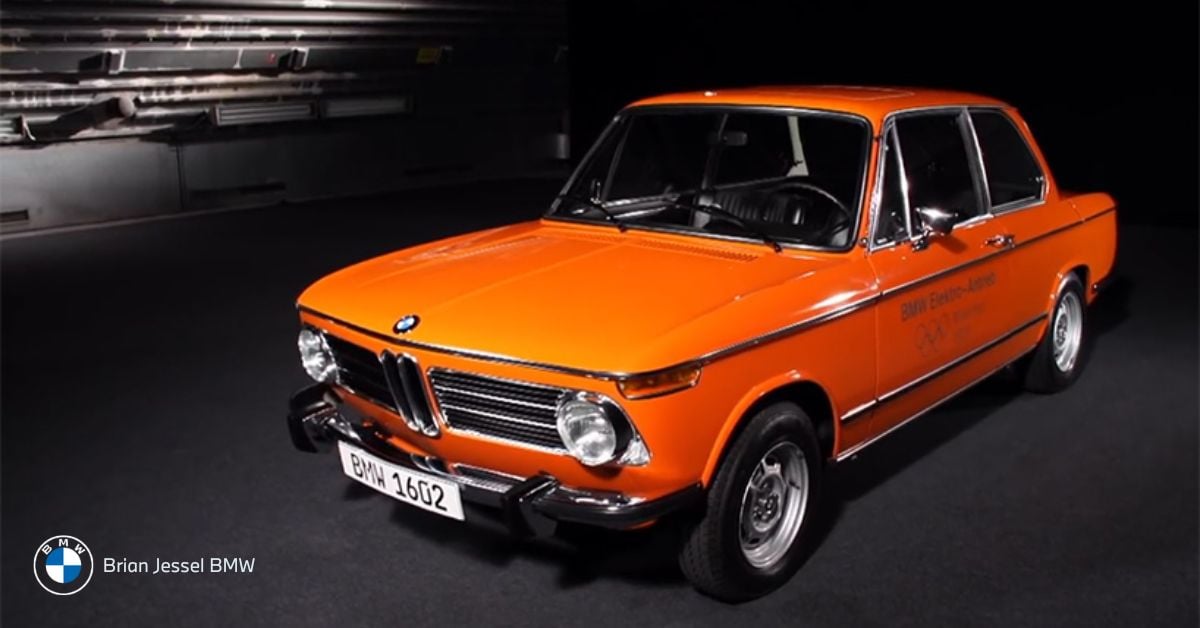
As the 20th century began, electric vehicles gained meaningful momentum. In several cities, they represented a noticeable share of the vehicles on the road. Their appeal came from ease of operation, comfort, and quiet performance. Drivers did not need mechanical expertise, making electric cars especially attractive to urban residents.
This early success, however, did not last. Several forces worked against electric vehicles as transportation needs expanded. Gasoline became easier to obtain and distribute, particularly outside city centres. Internal combustion engines improved quickly, becoming more reliable and easier to operate.
Manufacturing methods also evolved. Gasoline-powered vehicles could be produced at lower cost, which broadened their appeal. Electric vehicles, limited by heavy batteries and shorter range, struggled to keep pace.
Public preferences shifted. People wanted vehicles capable of longer journeys and greater flexibility. Technology at the time could not support electric cars at that scale, and interest gradually declined.
The Dormant Years – When Electric Cars Disappeared
From the 1920s through much of the 20th century, electric vehicles largely faded from public view. Automakers focused their efforts on gasoline engines, styling, and performance. Road networks expanded, fuel infrastructure grew, and car culture became closely tied to internal combustion. 1
Electric vehicle research did not disappear entirely, but it remained confined to laboratories, experimental programs, and limited prototypes. These efforts rarely reached consumers and were constrained by battery performance and production costs.
For decades, electric cars existed more as technical concepts than everyday transportation. The idea endured, but the conditions required for wide adoption had not yet aligned.
Timeline Snapshot – Key Moments in EV History
- 1830s–Late 1800s: Early electric vehicles emerge in Europe and North America, offering quiet, battery-powered alternatives to horse-drawn transport.
- Early 1900s: Electric cars gain brief popularity in cities due to ease of use and smooth operation.
- 1910s–1920s: Rapid advances in gasoline engines and mass production shift consumer preference away from electric vehicles.
- Mid-20th Century: Electric vehicle development slows, continuing mainly in research, prototypes, and niche applications.
- 1970s: Oil crises renew interest in electric and hybrid vehicle concepts.
- 1990s–2000s: Modern EV development resumes as battery technology and environmental regulations advance.
- 2010s–Today: Electric vehicles enter the mainstream, supported by improved range, charging infrastructure, and manufacturer investment.
The Revival – When the World Started to Rethink Electric Vehicles
The return of electric vehicles began gradually in the late 20th century. Rising fuel costs, air quality concerns, and growing environmental awareness encouraged governments and manufacturers to reconsider alternatives to gasoline engines.
By the 1990s and early 2000s, improvements in battery chemistry, electronics, and materials made electric vehicles more practical. Early modern models demonstrated that electric driving could meet everyday needs, even if adoption remained limited at first.
As technology progressed, public perception changed. Battery range increased, charging became more dependable, and electric vehicles began to fit naturally into daily life. What once seemed impractical became realistic.
This time, conditions were different. Infrastructure expanded, climate awareness grew, and manufacturers made long-term commitments. Electric vehicles returned not as experiments, but as viable transportation.
Common Misconceptions About the History of Electric Vehicles
A common belief is that electric vehicles are a recent invention. In reality, early electric cars appeared decades before gasoline vehicles became widespread.
Another misconception is that gasoline cars always dominated the market. In the early 1900s, electric and gasoline vehicles coexisted, each serving different needs.
It is also often assumed that electric vehicles failed due to lack of interest. In truth, they were limited by the technology and infrastructure available at the time rather than by public demand.
The Modern Era – The Electric Revolution
Over the past decade, electric vehicles have become a central part of the automotive industry. Major manufacturers now invest heavily in electric platforms, battery development, and charging networks.
Brands such as BMW, Tesla, and Nissan have played a role in bringing electric vehicles into the mainstream by offering models that balance performance, comfort, and practicality. Improvements in range, charging speed, and vehicle design have reshaped expectations.
Public attitudes have also shifted. Electric vehicles are now associated with innovation, refinement, and responsible mobility rather than limitation. Charging networks have expanded, and ownership has become more accessible in urban and suburban environments.
Electric vehicles are no longer a future concept. They are an established part of modern transportation.
Among luxury manufacturers, BMW was one of the earliest to treat electric vehicles not as experimental side projects, but as a core part of its future product strategy.
BMW’s Role in the Evolution of Electric Mobility
BMW was one of the first luxury automakers to commit seriously to electric mobility, doing so well before electric vehicles became mainstream or commercially safe. Rather than waiting for market pressure, the company approached electrification as a long-term engineering challenge, with a focus on driving dynamics, structural innovation, and sustainability.
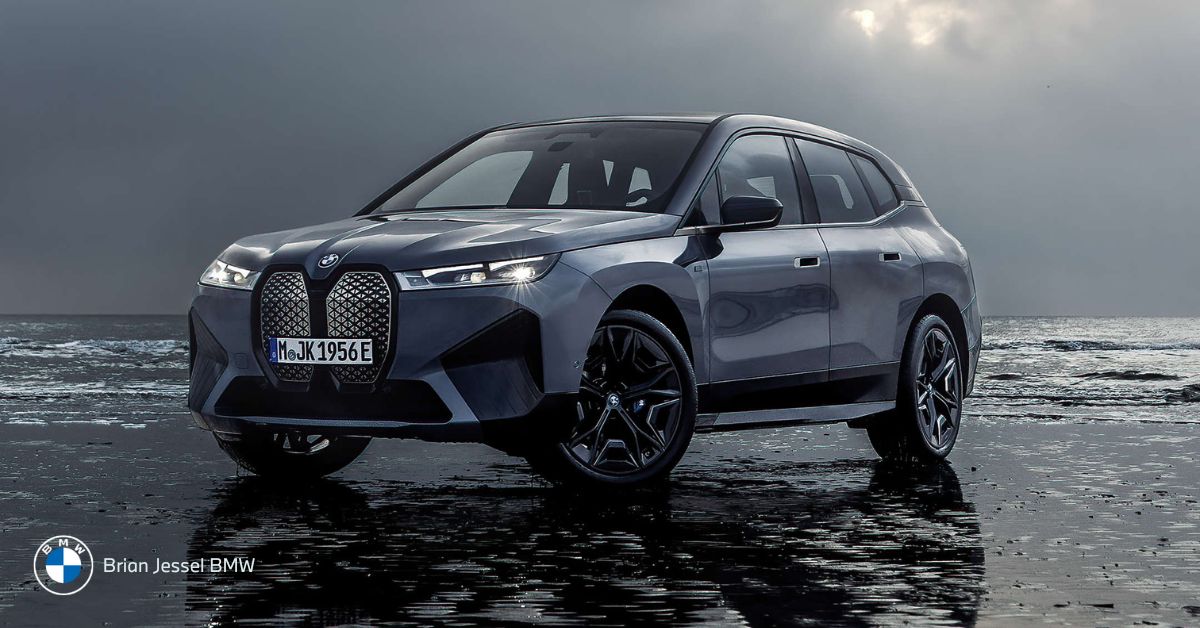
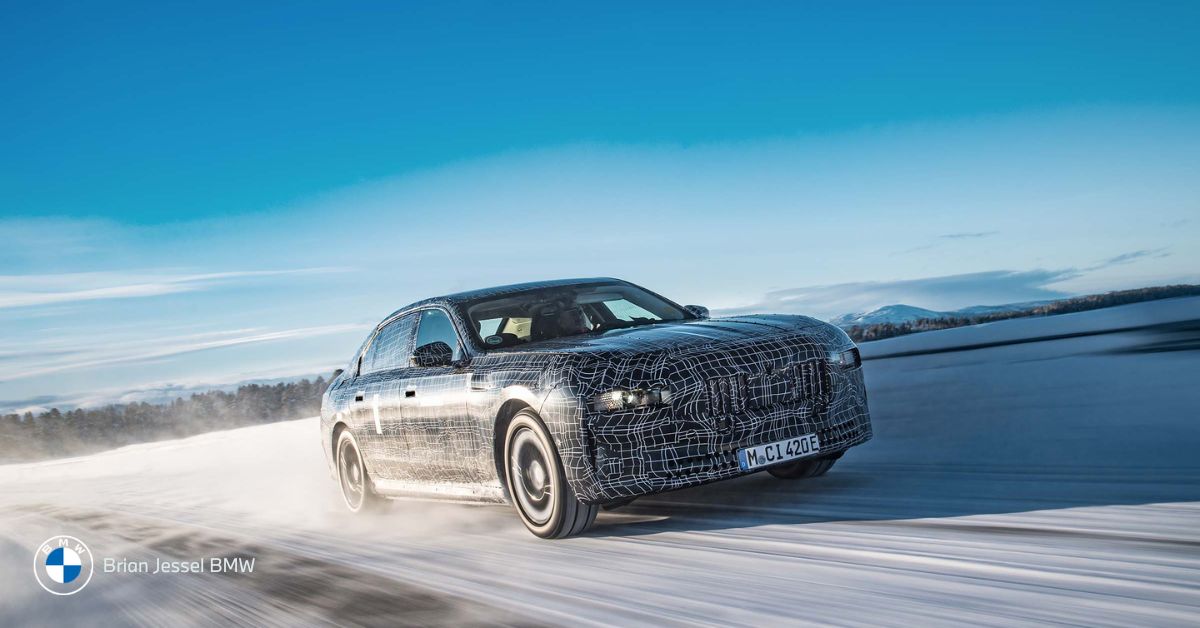
Early projects such as the BMW i3 reflected a willingness to rethink vehicle design from the ground up. This approach continued with models such as the i4, iX, and i7, which integrate electric power while maintaining the driving character associated with the brand.
Rather than treating electric vehicles as a separate category, BMW has integrated electric technology across its lineup. This reflects a long-term commitment rather than a temporary response to market trends.
At the local level, Brian Jessel BMW carries this philosophy forward in Vancouver and supports the transition to electric mobility by offering access to BMW’s electric range within a region that values environmental responsibility and forward-thinking transportation.
How Electric Vehicles Have Changed the Way We Drive
Electric vehicles have reshaped expectations around performance, comfort, and design. Instant torque, quiet operation, and smooth acceleration have altered how drivers experience motion.
Vehicle design has also evolved. Without traditional engine constraints, interiors have become more open and adaptable, while digital systems play a larger role in the driving experience.
Beyond individual use, electric vehicles influence broader discussions around sustainability, urban planning, and energy use. They represent a different approach to personal transportation built on efficiency and long-term thinking.
The Future of Electric Vehicles
The future of electric vehicles points toward continued refinement rather than reinvention. Battery development is advancing steadily, charging times are decreasing, and manufacturing processes are becoming more sustainable.
Automakers, including BMW, continue to expand electric offerings while refining production methods and materials. Electric mobility is positioned to remain a central part of transportation planning.
Drivers are becoming part of this shift not as early adopters, but as participants in a broader movement toward cleaner mobility.
Why Electric Vehicles Matter for Vancouver Drivers
Vancouver’s focus on environmental responsibility makes it well suited for electric mobility. Shorter commutes, established charging infrastructure, and regional sustainability goals align naturally with EV ownership. For local drivers interested in making the transition, Brian Jessel BMW offers the opportunity to experience BMW’s electric lineup firsthand.
From fully electric models to advanced electrified options, drivers can explore how BMW’s approach to electric mobility balances performance, comfort, and design. The history of electric vehicles continues to evolve, and Vancouver remains part of that story.
Experience the next chapter of electric history, visit Brian Jessel BMW and test drive the future today.
FAQs
1. When was the first electric vehicle invented?
Early electric vehicles appeared in the 1830s, with practical battery-powered models emerging by the 1890s, well before gasoline cars became common.
2. Why did electric cars disappear for so long?
Electric cars declined due to limited battery capability, rising gasoline availability, and mass production of affordable combustion vehicles during the early 20th century.
3. What sparked the modern comeback of EVs?
Environmental concerns, rising fuel costs, improved battery technology, and stronger regulations encouraged renewed interest in electric vehicles from the late 1990s onward.
4. How has battery technology changed over time?
Batteries have become lighter, more energy-dense, and longer-lasting, allowing greater range, improved reliability, and wider everyday use.
5. How is BMW contributing to the EV industry?
BMW integrates electric technology across its lineup, combining performance, engineering precision, and long-term sustainability through dedicated electric and hybrid platforms.
6. Are electric cars better for the environment?
Electric vehicles produce no tailpipe emissions and can reduce overall environmental impact, especially when powered by cleaner electricity sources.
7. Is Vancouver a good place to drive an EV?
Vancouver supports EV ownership through established charging infrastructure, shorter urban commutes, and strong environmental policies that encourage electric mobility.
8. What electric BMWs can I test drive in Vancouver?
Drivers can explore BMW electric models at Brian Jessel BMW, including current battery-electric offerings available in the local market.
Explore Latest Models Here: 2026 BMW Cars, 2025 BMW Cars, BMW Electric Cars, BMW Gas Vehicles, BMW M Series for Sale, BMW Luxury Line for Sale, BMW Convertible, 2025 BMW 5 Series 530i xDrive, 2024 BMW X3 M40i xDrive, 2025 BMW i5