BMW Gas vs Electric Cars: A Cost Comparison for Canadian Drivers
BMW Gas vs Electric Cars: A Cost Comparison for Canadian Drivers
Posted on February 13, 2026
Choosing between a BMW gas-powered vehicle and a BMW electric vehicle involves far more than comparing purchase prices alone. A proper BMW gas vs BMW electric car cost comparison must also account for fuel or charging expenses, insurance rates, maintenance requirements, long-term reliability, and available incentives.
This comparison examines how each option performs financially over time, helping drivers make informed decisions based on real ownership factors rather than upfront cost alone.
BMW Gas vs Electric Car: Overview of Your Options
BMW offers a wide selection of gas-powered and electric vehicles designed for different driving needs and budgets.
Gas-Powered BMW Models
Common gasoline models include:
- BMW 3 Series (e.g., 330i xDrive, M340i xDrive)
- BMW 5 Series (e.g., 530i xDrive, 540i xDrive)
These vehicles rely on internal combustion engines supported by mild hybrid systems in some trims. They require fuel, oil changes, and more frequent mechanical servicing.
BMW Electric Models
Electric BMWs include:
These vehicles run entirely on electricity, use electric motors, and rely on battery packs rather than combustion engines.
BMW Gas vs BMW Electric Car Cost Comparison Table
The table below provides a side-by-side overview of key cost factors associated with BMW gas and electric vehicles. It highlights how purchase price, operating expenses, maintenance needs, and long-term ownership costs compare across both options.
| Cost Category | Gas BMW | Electric BMW |
| Purchase Price | Lower Entry Point | Higher Upfront Cost |
| Fuel / Energy | Gasoline (Price Fluctuates) | Electricity (Stable Pricing) |
| Maintenance | Higher (Oil, Belts, Engine Components) | Lower (Fewer Moving Parts) |
| Insurance | Typically Lower | Often Slightly Higher |
| Long-Term Cost | Higher Over Time | Lower Over Time |
| Emissions | Higher | Significantly Lower |
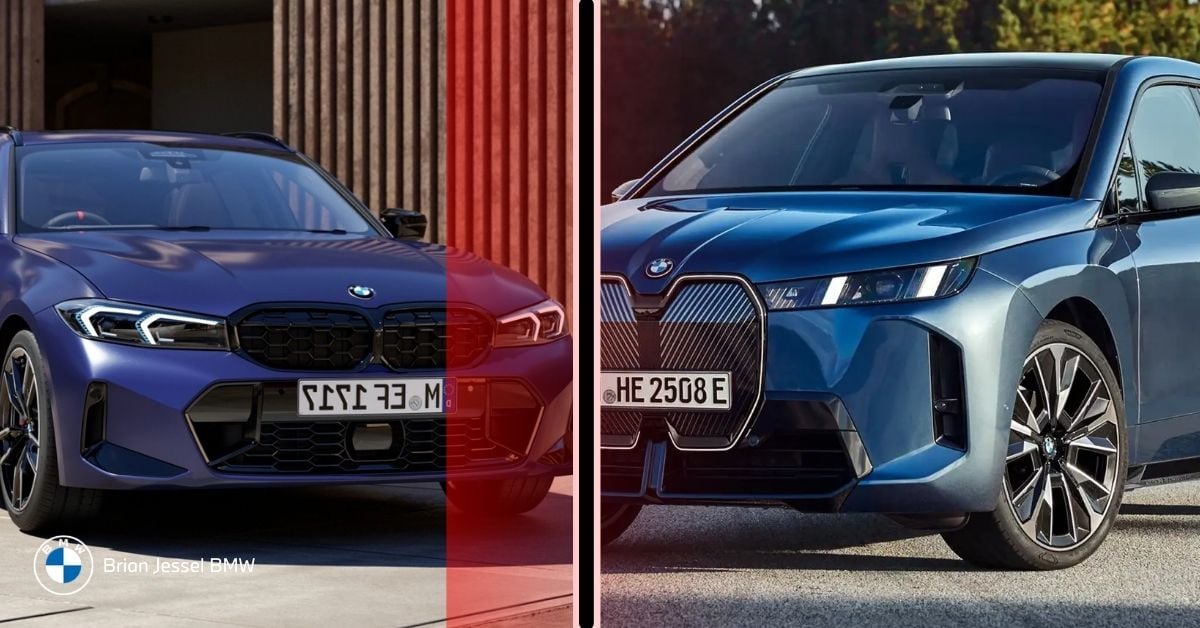
Upfront Costs: How Much More Does a BMW Electric Car Cost Compared to Gas?
Gas-powered BMWs generally have lower starting prices. For example:
- BMW 3 Series 330i xDrive starts around $60,500 1
- BMW i4 eDrive40 starts around $64,990 2
- BMW iX xDrive45 starts around $89,900 3
Electric vehicles usually cost more upfront due to battery production costs. However, incentives and long-term savings help narrow that gap.
Incentives and Financing
Electric vehicle buyers in Canada may qualify for federal and provincial incentives depending on model eligibility and location. These incentives can reduce upfront costs and improve overall affordability. Gas-powered vehicles generally do not qualify for similar programs.
BMW also offers financing and leasing options across both gas and electric lineups. View current availability, pricing, and offers by visiting the Brian Jessel BMW inventory for both electric and gas-powered models.
BMW Gas vs BMW Electric Car Fuel Cost
Fuel and energy expenses are a major factor in any BMW gas vs BMW electric car fuel cost analysis. Gasoline prices fluctuate regularly, while electricity pricing tends to remain more stable, particularly for drivers who charge at home.
Fuel Costs for Gas BMWs
Gasoline expenses depend on driving habits and fuel efficiency. The following examples use average Vancouver pricing at the time of writing. Actual fuel costs vary based on market conditions and driving behaviour.
Typical combined fuel consumption for BMW gas models ranges between 6–9 L/100 km, depending on model and driving conditions.
Based on Vancouver gasoline pricing of 131.9 cents per litre ($1.319/L), the average fuel price is $1.319 per litre. At this rate:
- A vehicle consuming 8 L/100 km would cost approximately $10.55 per 100 km
- A 60-litre tank would cost approximately $79.14
Charging Costs for Electric BMWs
Charging costs shown below reflect publicly listed Vancouver charging rates at the time of writing and may vary by provider, location, and time of use.
Typical electric BMW energy consumption averages:
- 18–22 kWh per 100 km, depending on model and driving conditions
Based on municipal Vancouver charging rates:
- Level 2 charging: $0.2972 per kWh
- Level 3 DC fast charging: $0.3609 per kWh
- Idle fee: $0.40 per minute after a 5-minute grace period
At an average consumption of 20 kWh per 100 km, charging costs would be:
- $5.94 per 100 km using Level 2 charging
- $7.22 per 100 km using Level 3 fast charging
A full 100-kWh battery would cost approximately:
- $29.72 using Level 2 charging
- $36.09 using Level 3 charging
Charging at home during off-peak hours may further reduce electricity costs compared to public charging stations. 4
Driving Pattern Impact
City driving benefits electric vehicles through regenerative braking, which recovers energy during deceleration.
Highway driving reduces this advantage, though electric vehicles remain less expensive per kilometre than gas-powered alternatives.
BMW Electric Car Insurance Cost vs Gas
When comparing BMW electric car insurance cost vs gas, electric BMWs tend to carry slightly higher premiums. This is primarily due to higher vehicle values, battery replacement costs, and the specialized training required for EV repairs.
That said, insurance pricing varies by driver profile, location, and insurer. Some providers offer EV-specific discounts, which can help offset higher premiums. In certain cases, electric BMWs may cost only marginally more to insure than comparable gas-powered models, depending on coverage and usage.
For BMW owners, insurance costs are also influenced by model positioning, performance output, and repair complexity, meaning comparisons are most accurate when evaluating equivalent segments (e.g., BMW 3 Series vs BMW i4).
Maintenance and Repair Costs: BMW Gas Cars vs Electric
Maintenance needs differ significantly between gas-powered and electric BMW vehicles due to their underlying mechanical designs. Electric vehicles generally require less routine service because they have fewer moving components and no internal combustion engine.
Electric BMWs do not require oil changes, and regenerative braking helps reduce brake wear over time. These factors allow for longer service intervals and fewer scheduled maintenance visits.
Gas-powered BMWs, on the other hand, require regular oil and filter changes, along with ongoing servicing of engine components, exhaust systems, and related mechanical parts. This results in more frequent maintenance appointments and higher long-term upkeep.
Battery replacement may eventually be a consideration for electric vehicles; however, modern BMW battery systems are engineered for long-term durability and are designed to support extended ownership periods with minimal performance loss.
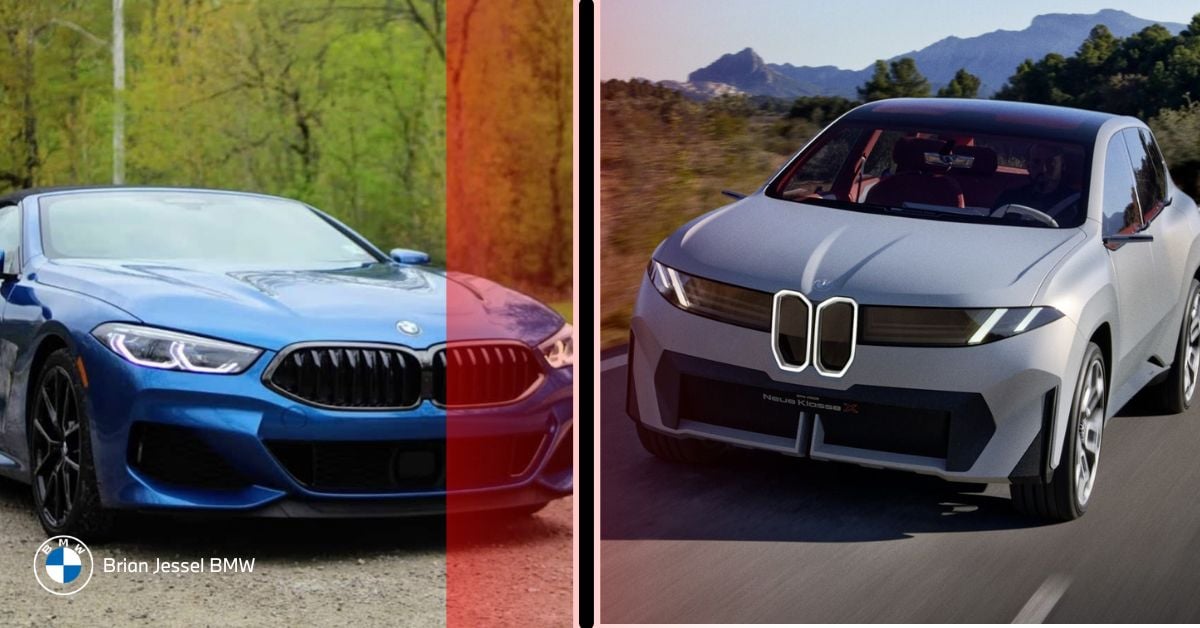
Does a BMW electric vehicle hold its value better than gas?
Depreciation affects both gas-powered and electric BMWs, but the pattern differs between the two. Traditionally, gas vehicles have followed predictable depreciation curves tied to fuel costs, maintenance needs, and long-term reliability. Electric vehicles, however, are showing improving resale performance as charging infrastructure expands and consumer demand continues to grow.
Electric BMWs can benefit from lower operating costs, which can make them more attractive in the used market. In addition, growing public acceptance of electric vehicles and supportive government policies contribute to stronger long-term value retention. As charging networks become more widespread and ownership familiarity increases, resale confidence continues to improve.
Depreciation still varies by model, trim level, and market conditions, but current trends suggest that electric BMWs may be closing the gap with gas-powered models and, in some cases, retaining value more effectively over time.
Government Incentives: How Do They Affect Electric BMW Costs?
In Canada, eligible electric vehicles may qualify for federal and provincial incentive programs that help reduce the upfront purchase cost. These incentives are designed to encourage the adoption of lower-emission vehicles and can significantly narrow the price gap between electric and gas-powered models.
Eligibility depends on vehicle price caps, trim selection, and program availability, which can change over time and vary by province.
For qualifying BMW electric vehicles, incentives may include federal rebates and additional provincial support, depending on location and eligibility criteria. These reductions apply directly at the time of purchase, lowering the overall cost for buyers.
Gas-powered vehicles generally do not qualify for similar incentive programs, which can make electric models more financially competitive despite higher sticker prices. When combined with lower operating and maintenance costs, these incentives can play a meaningful role in reducing the total cost of ownership for electric BMWs.
Long-Term Savings: How Much Can You Save by Switching to a BMW Electric Car?
Over time, electric BMWs often cost less to own than gas-powered models due to lower energy expenses and reduced maintenance needs. Electric motors have fewer moving parts than internal combustion engines, which means fewer service visits and lower long-term repair costs.
Fuel savings also contribute significantly. Electricity typically costs less per kilometre than gasoline, especially for drivers who charge at home or during off-peak hours. Over several years, these savings can add up, particularly for daily commuters.
While gas-powered BMWs require ongoing oil changes, exhaust maintenance, and engine servicing, electric models avoid many of these expenses. As a result, total ownership costs tend to decrease over time.
For many drivers, savings over five years can reach several thousand dollars, with even greater potential over a ten-year period depending on driving habits, charging access, and local energy rates.
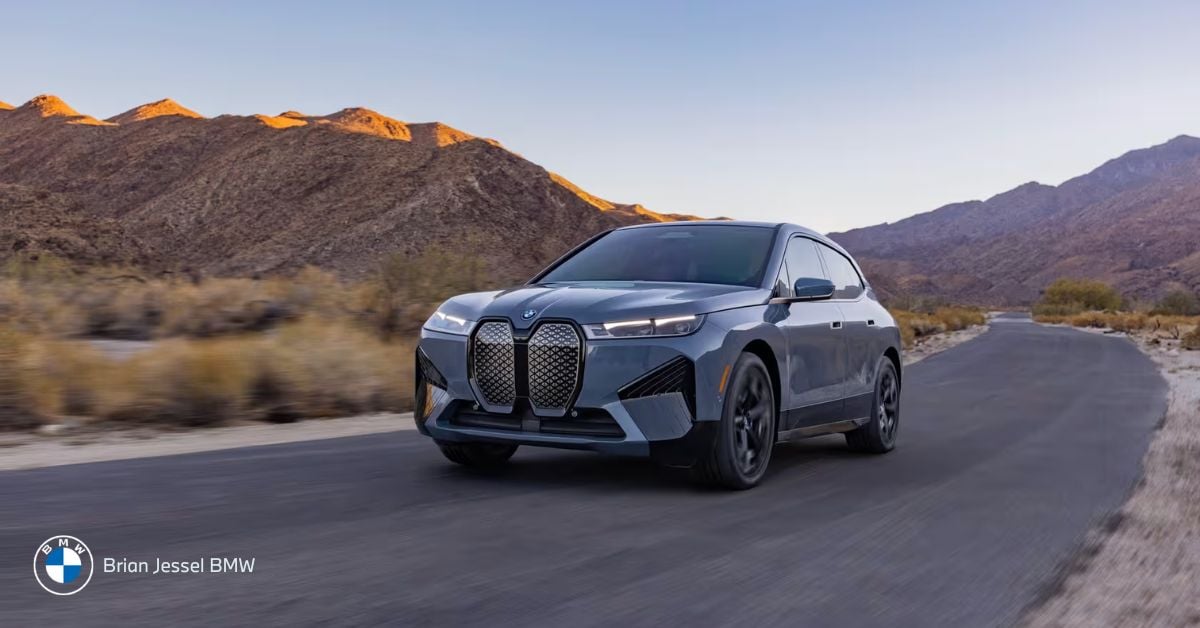
Environmental Impact: Why Choose a BMW Electric Vehicle Over a Gas Car?
Electric vehicles produce significantly lower emissions over their lifetime compared to gas-powered cars. While battery production does involve environmental impact, electric BMWs generate far fewer greenhouse gases during everyday driving because they produce no tailpipe emissions.
As electricity grids continue to shift toward cleaner energy sources, the environmental benefits of electric vehicles increase further. Reduced reliance on gasoline helps lower overall carbon output, improve urban air quality, and support broader sustainability goals. Over time, choosing an electric BMW contributes to a smaller environmental footprint compared to traditional gas-powered vehicles.
Conclusion
Choosing between a BMW gas-powered vehicle and an electric model depends on individual driving habits, budget priorities, and long-term ownership plans. Gas-powered BMWs may appeal to drivers who prefer a lower upfront cost and familiar refuelling routines.
Electric BMWs, on the other hand, may offer lower operating expenses, reduced maintenance needs, and long-term cost stability. For drivers who prioritize predictable running costs and reduced service requirements, electric models can provide financial advantages over time.
Those who drive shorter daily distances or have access to home charging may see even more savings. To explore current options and determine which model best suits your needs, visit your local BMW dealership to view available inventory or schedule a test drive with both gas and electric models.
A dealership such as Brian Jessel BMW can also help buyers compare real-world ownership costs, incentives, and financing scenarios across gas and electric models before committing.
FAQs
1. Which is cheaper to maintain, a gas or electric BMW?
Electric BMWs typically cost less to maintain due to fewer moving parts, no oil changes, and reduced brake wear.
2. Do electric cars save money over time?
Yes. Lower energy costs, fewer service needs, and potential incentives often lead to noticeable long-term savings compared to gas vehicles.
3. How much does it cost to charge a BMW electric vehicle?
Charging costs vary, but public charging in Vancouver ranges from $0.2972 to $0.3609 per kWh, depending on charger type.
4. Are there government incentives for electric BMWs in Vancouver?
Yes. Eligible electric BMWs may qualify for federal and provincial incentives that reduce upfront purchase costs.
5. Does an electric BMW cost more to insure?
Insurance can be slightly higher due to vehicle value and repair complexity, though some insurers offer EV-specific discounts.
6. Do BMW electric cars require more maintenance than gas cars?
No. Electric BMWs generally require less maintenance due to fewer mechanical components and no oil changes.
7. What is the main fuel cost difference between gas and electric BMWs?
Electricity is typically more stable and less expensive per kilometre than gasoline, especially with home or off-peak charging.
8. How much can I save in fuel costs with a BMW electric car?
Savings can reach several thousand dollars over time, depending on driving habits, charging access, and energy prices.
9. Are BMW electric vehicles reliable?
Yes. BMW electric vehicles use fewer moving parts and are engineered for long-term reliability and consistent performance.
Explore Latest Models Here: 2026 BMW Cars, 2025 BMW Cars, BMW Electric Cars, BMW Gas Vehicles, BMW M Series for Sale, BMW Luxury Line for Sale, BMW Convertible, 2025 BMW 5 Series 530i xDrive, 2024 BMW X3 M40i xDrive, 2025 BMW i5