BMW Electric and Hybrid Models: A Side-by-Side Ownership Comparison
BMW Electric and Hybrid Models: A Side-by-Side Ownership Comparison
Posted on February 16, 2026
Choosing between a BMW electric vehicle and a BMW hybrid depends on how you drive, where you live, and how you expect to use your vehicle over time. Both options deliver modern engineering and efficiency, but they differ in how power is generated and managed.
Understanding the differences between BMW Electric vs Hybrid Vehicles helps clarify which option aligns best with daily driving habits, local infrastructure, and long-term ownership considerations, especially for drivers in the Vancouver area.
What’s the Difference Between BMW Electric and Hybrid Vehicles?
BMW electric vehicles and BMW hybrid vehicles rely on different powertrain designs.
BMW Electric Vehicles
Electric models such as the BMW i4 represent BMW’s fully electric approach, operating entirely on battery power through a high-voltage battery and electric motor, with no internal combustion engine. Energy is supplied through charging rather than fuel.
BMW Hybrid Vehicles
BMW hybrid models discussed here refer primarily to BMW’s plug-in hybrid electric vehicles (PHEVs), such as the BMW 330e, which combine a gasoline engine with a rechargeable electric motor. Depending on the design, the electric motor assists the engine during acceleration, low-speed driving, or short-distance travel. Power comes from both electricity and fuel, allowing flexibility when charging access is limited.
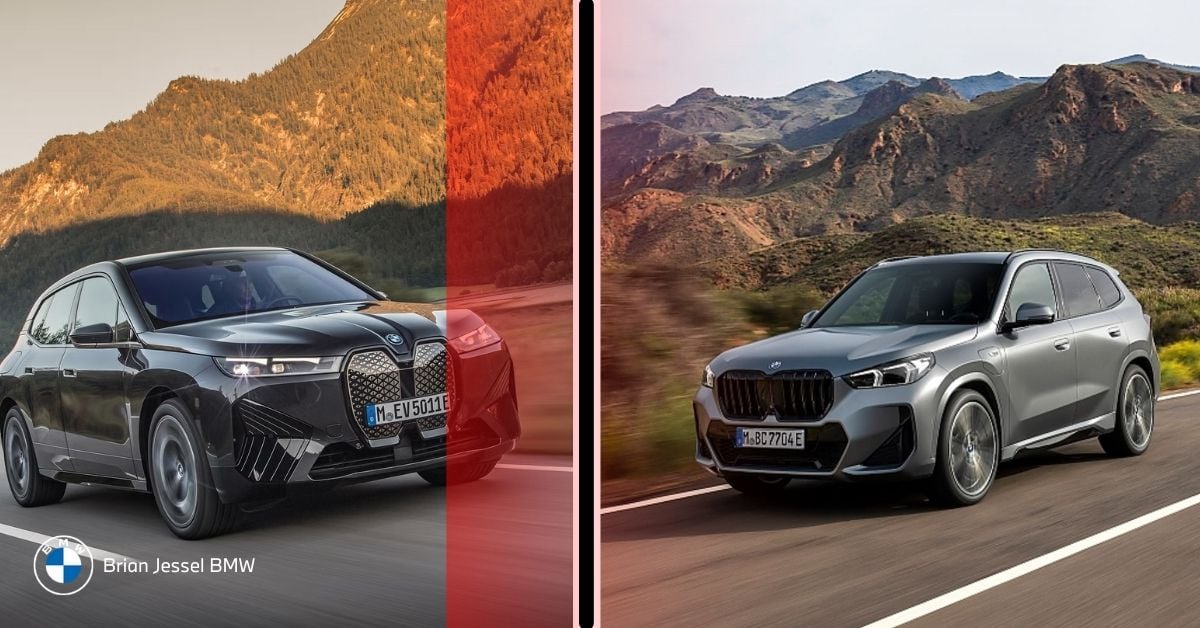
BMW Electric vs Hybrid: Which One Offers Better Performance?
Performance plays a key role when choosing between BMW electric and hybrid vehicles, especially when driving expectations and daily conditions differ.
Electric Performance
BMW electric vehicles deliver immediate torque, resulting in quick acceleration and smooth power delivery. The absence of gear changes contributes to a quiet and consistent driving experience. Models such as the BMW i4 demonstrate strong acceleration while maintaining controlled handling.
Hybrid Performance
BMW hybrid vehicles blend electric assistance with a traditional engine. This provides steady power at highway speeds and allows longer driving ranges without relying solely on battery capacity. Acceleration is typically strong but more progressive, aligning with BMW’s balance between efficiency and traditional driving dynamics.
Driving Range Comparison
Electric vehicles rely entirely on battery capacity and charging access. Hybrid vehicles can travel longer distances without stopping due to the combined use of fuel and electric power.
Fuel Efficiency Face-Off: Which Is More Cost-Effective?
Fuel and energy costs play a major role when comparing BMW electric vs hybrid vehicles, particularly for long-term ownership.
Fuel Costs for BMW Plug-In Hybrid Vehicles
Fuel costs for BMW plug-in hybrid vehicles depend on how often the vehicle operates in electric mode versus gasoline mode. Short daily trips may be completed primarily on electric power, while longer journeys rely more heavily on the gasoline engine once the electric range is depleted.
When operating in hybrid (gasoline-assisted) mode, fuel consumption typically aligns closer to efficient gasoline vehicles rather than full-time electric operation. Using Vancouver fuel pricing for illustration:
- Average gasoline price: $1.319 per litre
- Example hybrid-mode consumption (after electric range is depleted): ~7–8 L/100 km
This results in:
- Approximately $9.20–$10.55 per 100 km when driving beyond electric-only range
- Roughly $79.14 to fill a 60-litre fuel tank when operating primarily on gasoline
Actual fuel costs vary based on trip length, charging frequency, driving conditions, and how often the vehicle is able to operate in electric-only mode.
Charging Costs for Electric BMWs
Electric BMWs typically consume 18–22 kWh per 100 km, depending on model and driving behaviour.
Using municipal charging rates in Vancouver:
- Level 2 charging: $0.2972 per kWh
- Level 3 DC fast charging: $0.3609 per kWh
- Idle fee: $0.40 per minute after a 5-minute grace period 2
At an average usage of 20 kWh per 100 km, estimated charging costs are:
- $5.94 per 100 km using Level 2 charging
- $7.22 per 100 km using Level 3 charging
A full 100-kWh recharge would cost approximately:
- $29.72 using Level 2 charging
- $36.09 using Level 3 charging
Charging at home during off-peak hours may further reduce electricity costs compared to public charging stations.
Learn More: EV Charging Stations in Vancouver
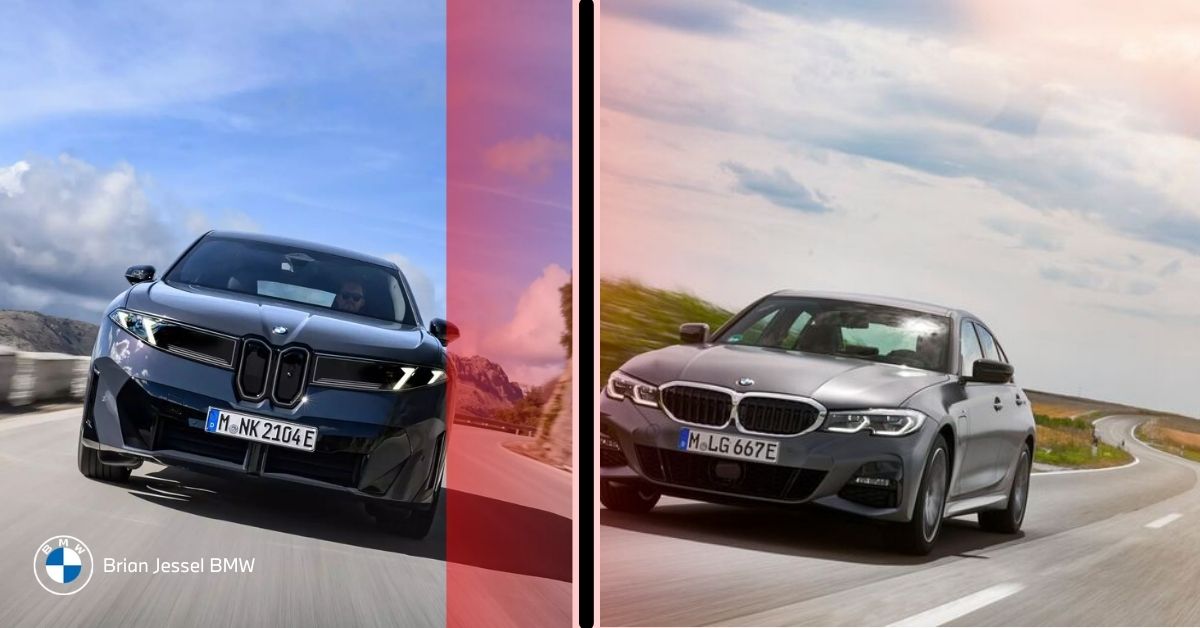
Eco-Friendly Battle: Which Is Better for the Environment?
When comparing BMW electric vs hybrid vehicles, environmental impact is a key consideration, especially in regions such as British Columbia where electricity generation relies heavily on low-carbon sources.
BMW Electric Vehicles
Electric BMW models produce no tailpipe emissions, which directly reduces local air pollution. When charged using low-carbon electricity, they also contribute to lower overall greenhouse gas output. This makes electric vehicles a strong option for drivers looking to reduce emissions during daily use.
BMW Hybrid Vehicles
Hybrid models emit fewer emissions than traditional gasoline vehicles but still produce carbon output due to fuel combustion. Their environmental benefit depends on how often the vehicle operates in electric-only mode, which varies based on driving habits and trip length.
Overall Environmental Impact
Electric vehicles offer greater potential for reducing greenhouse gas emissions, particularly in regions with cleaner electricity grids. Hybrid vehicles provide an improvement over conventional gas-powered cars but do not eliminate emissions entirely.
Cost Breakdown: Is a BMW Electric or Hybrid More Affordable to Own?
When comparing a hybrid vs electric car, both upfront and long-term costs matter.
Purchase Price
Electric BMW models typically carry a higher upfront price than hybrid versions. However, government incentives and rebates available for electric vehicles can reduce the initial cost, narrowing the price gap between the two options.
Operating Costs
Electric vehicles generally have lower ongoing expenses due to reduced energy costs and fewer maintenance requirements. Electricity is often less expensive than gasoline, and electric drivetrains have fewer components that require regular servicing.
Hybrid vehicles are usually more affordable at the time of purchase but involve higher ongoing costs related to fuel consumption and routine maintenance associated with internal combustion engines.
In Vancouver, access to charging infrastructure and relatively low electricity rates can further improve the long-term affordability of electric vehicles compared to hybrid alternatives.
Keep Reading: Gas vs Electric Car Cost Comparison
Maintenance Costs: BMW Electric vs BMW Hybrid
Maintenance requirements differ noticeably between BMW electric and hybrid vehicles, largely due to the complexity of their powertrains.
BMW Electric Vehicles
Electric BMWs have fewer mechanical components than hybrid or gasoline models. They do not require oil changes, and the absence of a traditional engine reduces overall mechanical wear. Regenerative braking also lowers brake wear, which can reduce service frequency over time. As a result, routine maintenance needs are generally lower for electric vehicles.
BMW Hybrid Vehicles
Hybrid vehicles still rely on a gasoline engine alongside an electric motor. This means regular maintenance such as oil changes, exhaust system checks, and engine servicing remains necessary. While the electric motor reduces strain on the engine and can extend certain service intervals, overall maintenance demands are higher compared to fully electric models.
Battery Life and Warranty Coverage
Battery durability and warranty coverage play an important role when comparing BMW electric and hybrid vehicles. Both are engineered for long-term use, but their battery systems differ in structure, operation, and long-term expectations.
BMW Electric Vehicles
BMW electric vehicles use high-capacity lithium-ion batteries designed for long-term operation. These batteries are supported by advanced thermal management systems that help regulate temperature during charging and driving.
BMW electric and plug-in hybrid vehicles are covered by manufacturer battery warranties designed to support long-term ownership. Coverage terms vary by model and year but typically span multiple years and are intended to protect against premature battery failure rather than normal capacity reduction.
Battery performance naturally changes over time, but BMW designs its systems to maintain reliable operation throughout the coverage period.
BMW Hybrid Vehicles
Hybrid models use smaller battery systems that support the electric motor alongside the gasoline engine. These batteries are also covered under BMW warranty programs and are designed for extended service life. Because hybrid vehicles rely partially on fuel power, battery usage is more moderate, which can help manage long-term wear.
Both electric and hybrid BMWs benefit from manufacturer-backed warranty coverage and engineering focused on durability and long-term reliability.
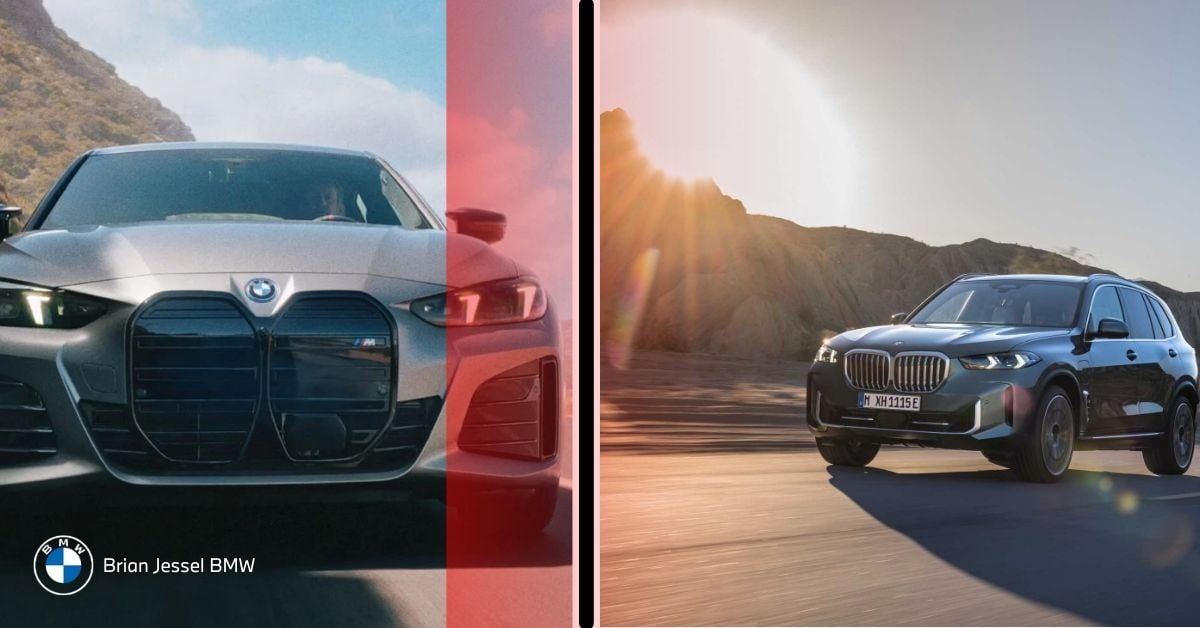
BMW Electric vs Hybrid for Long-Distance Driving
When evaluating long-distance driving, range and refuelling or charging convenience become key factors in choosing between a BMW electric or hybrid vehicle.
BMW Electric Vehicles
Electric models such as the BMW i4 offer a practical driving range for daily use and moderate-distance travel. However, longer trips require planning around charging availability and charging time, particularly in areas where fast-charging infrastructure may be limited. While range continues to improve, extended highway travel still depends on access to reliable charging stations.
BMW Hybrid Vehicles
Hybrid vehicles provide flexibility for long-distance driving. The combination of a gasoline engine and electric motor allows the vehicle to continue operating once the electric range is depleted. Refuelling is quick and widely available, making hybrids more convenient for extended trips or travel through areas with fewer charging options.
Range Comparison Example
A BMW i4 offers strong electric range suitable for daily commuting and regional travel, while a BMW 330e benefits from a longer total driving range by combining electric driving with fuel-powered operation. This makes hybrid models more adaptable for drivers who frequently travel longer distances without guaranteed access to charging infrastructure.
Which BMW Fits Your Lifestyle: Electric or Hybrid?
Choosing between a BMW electric or hybrid vehicle often depends on how and where you drive on a regular basis.
Electric BMWs may suit drivers who:
- Drive mainly within urban or suburban areas
- Have access to home or workplace charging
- Prefer lower operating and maintenance costs
Hybrid BMWs may suit drivers who:
- Frequently travel long distances
- Want flexibility without relying on charging availability
- Prefer a balance between fuel efficiency and range
To determine which option fits your lifestyle best, consider booking a test drive to experience both electric and hybrid BMW models firsthand.
Conclusion
Both BMW electric and hybrid vehicles offer clear advantages depending on driving habits, location, and ownership priorities. Electric models reduce operating costs and emissions, especially in regions like Vancouver with strong charging infrastructure. Hybrid models provide extended range and familiar refuelling convenience while still reducing fuel consumption compared to traditional gasoline vehicles.
Choosing between them depends on how often you drive, where you charge, and how you balance cost, convenience, and environmental considerations. To compare available BMW electric and hybrid models, review Brian Jessel BMW inventory to see which options align with your driving needs.
FAQs
1. What’s the main difference between a BMW electric and a BMW hybrid vehicle?
Electric BMWs run entirely on battery power, while hybrid models combine a gasoline engine with electric assistance for added flexibility.
2. Are BMW electric cars more expensive than hybrid cars?
Electric models usually cost more upfront, but lower energy and maintenance costs can reduce overall ownership expenses over time.
3. Which BMW vehicle is better for long-distance driving?
Hybrid BMWs are better suited for long-distance travel because they offer extended range and quick refuelling without reliance on charging stations.
4. Do BMW electric cars need a lot of maintenance?
Electric BMWs require less maintenance since they have fewer moving parts and do not need oil changes or exhaust system servicing.
5. Which is better for the environment, a BMW electric car or a hybrid?
Electric vehicles produce no tailpipe emissions, while hybrids still emit some carbon, making electric models cleaner during everyday driving.
6. How many years does a BMW hybrid battery last?
BMW hybrid batteries are designed for long-term use and are covered by manufacturer warranties, with performance maintained over several years under normal conditions.
Explore Latest Models Here: 2026 BMW Cars, 2025 BMW Cars, BMW Gas Vehicles, BMW M Series for Sale, BMW Luxury Line for Sale, BMW Convertible, 2025 BMW 5 Series 530i xDrive, 2024 BMW X3 M40i xDrive, 2025 BMW i5