BMW Driver Assistance Features in 2026: Safer & Smarter Than Ever
BMW Driver Assistance Features in 2026: Safer & Smarter Than Ever
Posted on April 14, 2026
BMW’s driver assistance systems in 2026 combine radar, camera, and sensor data to support steering, braking, and speed control in real-world driving conditions. These systems are designed to reduce driver workload without removing responsibility behind the wheel.
For drivers in Vancouver, where traffic congestion, rain, and changing road conditions are part of daily driving, these technologies help maintain control while improving consistency and response time.
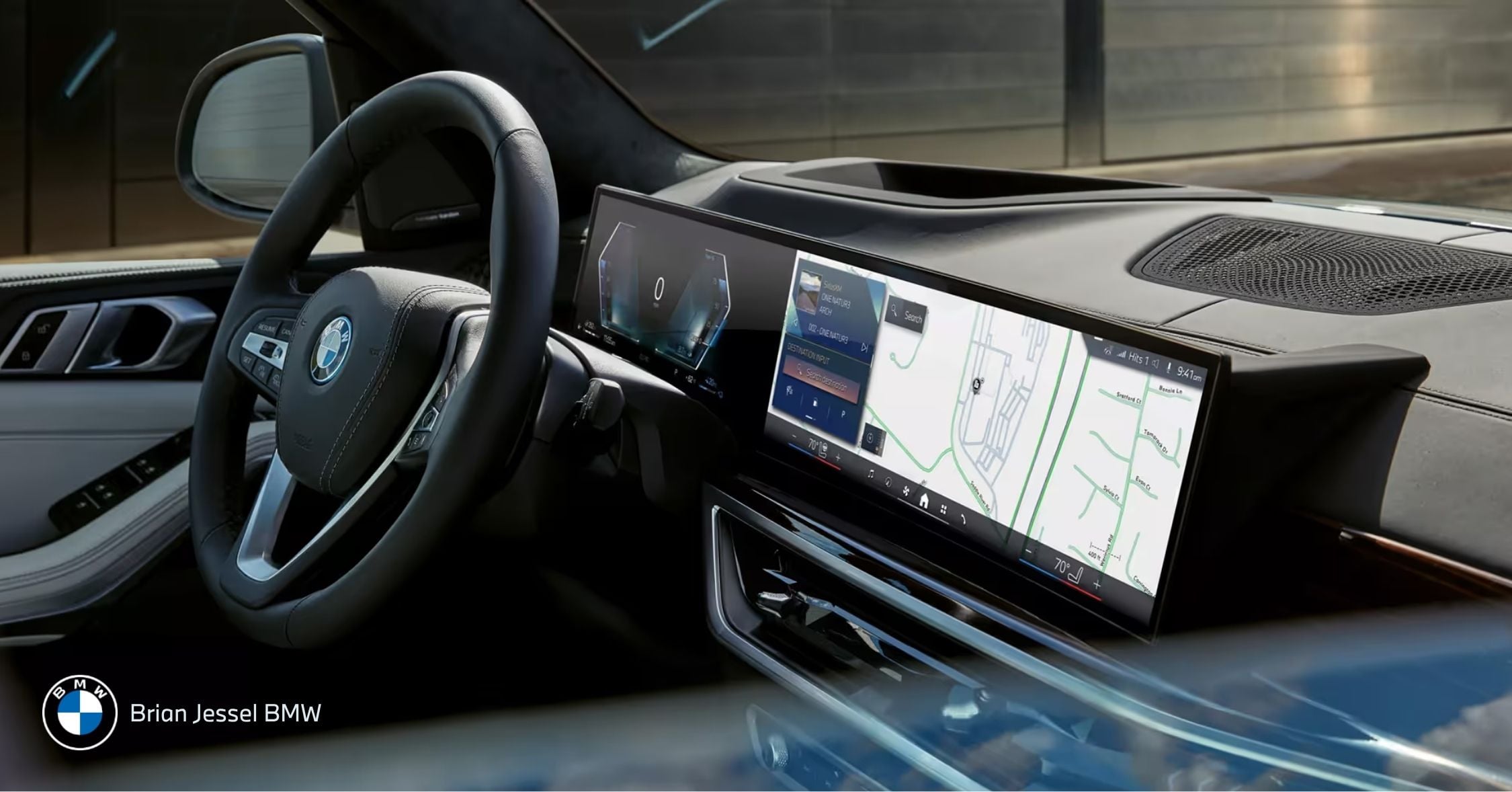
What Is BMW Driver Assistance and Why It Matters
Driver assistance systems are technologies that help drivers operate their vehicles more safely and conveniently by assisting with tasks like braking, steering, or accelerating. These systems enhance a driver's ability to maintain control of the vehicle but do not fully take over driving duties. The key distinction here is that, while these systems offer help, the driver is still responsible for the vehicle’s operation and must stay alert at all times.
What does “driver assistance” mean?
Driver assistance refers to features that support specific driving tasks, such as lane keeping, adaptive cruise control, parking assistance, and emergency braking. These systems are designed to reduce workload and improve safety, but they do not replace the driver.
Differences Between Driver Assistance, Semi-Autonomous, and Fully Autonomous Driving
Understanding the difference between driver assistance, semi-autonomous driving, and fully autonomous driving is crucial when discussing modern vehicle technologies:
- Driver Assistance: These systems provide support but do not replace the driver's role. The driver is expected to remain alert and in control at all times, even if the system is active.
- Semi-Autonomous Driving: Semi-autonomous systems, such as BMW’s Level 2 automation, handle some aspects of driving, like steering, braking, and accelerating, but still require the driver’s full attention. The driver must be prepared to intervene at any moment.
- Fully Autonomous Driving: Fully autonomous vehicles (Level 5) can operate entirely on their own without any input from the driver. These vehicles manage all aspects of driving, including navigation, braking, and steering, under all conditions without the need for human intervention.
What Does ADAS Stand For?
ADAS stands for Advanced Driver Assistance Systems. These are a set of technologies that assist the driver in controlling the vehicle and ensuring safety. ADAS systems include features like lane departure warnings, automatic emergency braking, adaptive cruise control, and parking sensors. These systems use sensors, cameras, and radar to monitor the environment and assist in decision-making during driving.
Level 2 Automation: A Simple Explanation
Level 2 automation, often seen in vehicles like BMW's, is a form of semi-autonomous driving. In this level, the car can perform some driving functions, such as steering, accelerating, and braking, but the driver must remain fully engaged.
The driver is expected to monitor the environment and be ready to take control of the vehicle at any time. While it significantly eases the driving experience, the responsibility for safe driving remains with the human behind the wheel.
Why These Systems Are Important in Modern Vehicles
In today's world, where traffic congestion and challenging road conditions are becoming increasingly common, driver assistance systems play a critical role in improving safety, reducing the likelihood of accidents, and enhancing the overall driving experience.
For example, in cities like Vancouver, where weather conditions can change rapidly with frequent rain, snow, or fog, these systems provide essential support, making it easier to navigate through difficult conditions.
They help drivers stay focused and alert, ultimately contributing to safer roadways and a more comfortable driving experience.
What’s New in 2026 BMW Driver Assistance?
The 2026 BMW Driver Assistance system brings several important updates, enhancing both safety and convenience. Here’s a breakdown of key innovations and improvements in the 2026 model year.
Highway Assistant (Driving Assistant Professional)
One of the standout features available on select 2026 BMW models in Canada is Highway Assistant, part of the Driving Assistant Professional package. Highway Assistant enables hands-free driving on approved highways at speeds of up to approximately 130 km/h under specific conditions (depending on model, equipment, and market availability), assisting with steering, acceleration, and braking under certain conditions.
Importantly, this system does not make the vehicle autonomous. The driver must remain attentive, keep their eyes on the road, and be ready to take control at any time. BMW integrates a driver monitoring system that observes driver engagement. If the system detects reduced attention, it will issue escalating alerts and may disengage assistance.
Highway Assistant is designed to reduce fatigue during highway travel, but the driver remains legally responsible for the vehicle at all times. Feature availability, speed thresholds, and functionality may vary depending on model, trim level, and driving conditions.
Advanced Lane Keeping & Steering Assistance
The 2026 BMW also comes with improved lane-keeping and steering assistance. These systems work by monitoring lane markings and surrounding traffic, adjusting the steering to keep the vehicle centered. The updated technology ensures more precise lane control and can make finer adjustments based on real-world conditions, such as when a driver drifts in or out of lanes unintentionally.
In cities like Vancouver, with its often narrow streets and winding roads, this feature significantly reduces the likelihood of lane departure accidents, making it a valuable addition to BMW’s driver assistance suite.
Adaptive Cruise Control Improvements
The Adaptive Cruise Control in the 2026 BMW models has also received key updates. With Stop-and-Go capability, it can maintain a safe distance from the vehicle ahead and automatically adjust speed in traffic. In Vancouver’s highway traffic, where congestion is common, this feature can make a significant difference by reducing the need for constant braking and acceleration.
Additionally, the system is now more predictive, adjusting speed proactively for upcoming changes in road conditions, such as curves or junctions, based on navigation-based speed changes. This reduces sudden braking and improves consistency in changing traffic conditions, particularly in city traffic or during long drives to places like Whistler or North Vancouver.
Collision Prevention & Emergency Braking
Safety remains a top priority for BMW. The 2026 BMW Driver Assistance package introduces forward collision warning and automatic emergency braking improvements. The system now has enhanced pedestrian detection and cyclist detection, ensuring that the vehicle can react to a wider range of hazards in urban settings like Vancouver.
In real-world conditions, these systems can prevent accidents by providing both visual and audible warnings to the driver and applying brakes when necessary. For example, when approaching a crosswalk or cycling lane unexpectedly, the system can prevent collisions, significantly improving safety in bustling city environments.
Parking & Surround View Enhancements
In dense urban areas like downtown Vancouver, parking can be one of the most stressful parts of driving. BMW’s available Parking Assistant Professional helps simplify this process through automated steering, braking, and acceleration during parking maneuvers.
Features such as Surround View provide a 360-degree camera perspective, making it easier to detect obstacles in tight spaces. Reverse Assistant can retrace the vehicle’s last path when backing out of narrow driveways or underground parking.
On select models, parking memory functions allow the vehicle to learn and repeat specific parking maneuvers, such as entering a tight garage space.
These systems are designed to reduce low-speed collisions and driver stress, especially in crowded urban environments.
Learn More: BMW iDrive System in 2026: What’s New and Smarter?
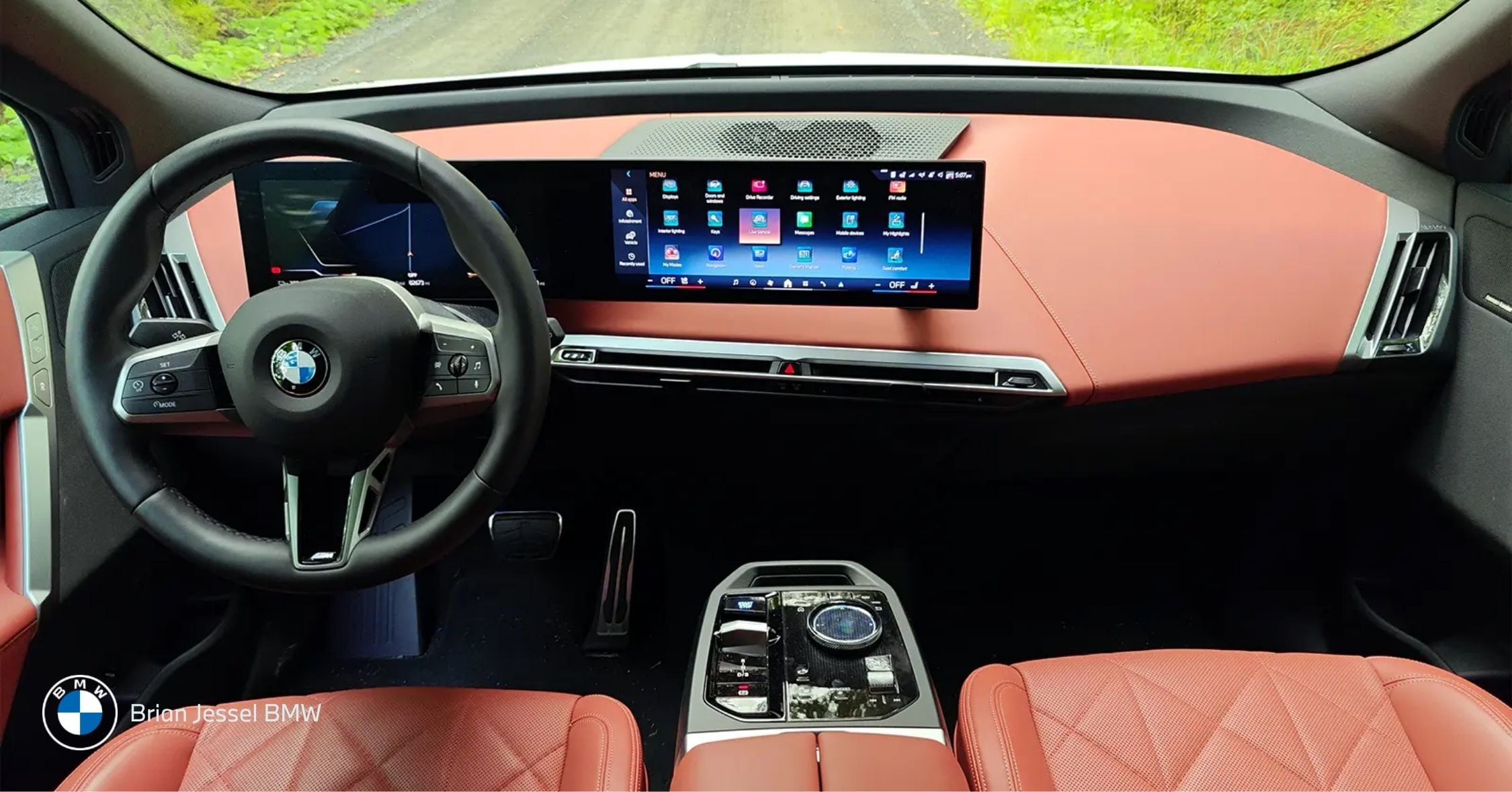
How BMW Driver Assistance Technology Works
BMW’s 2026 Driver Assistance systems use an advanced blend of radar sensors, cameras, ultrasonic sensors, and AI processing to help the car "see" and understand the environment around it. These systems work together to provide real-time data, making driving safer and more convenient.
Radar Sensors
Radar sensors are used to detect the distance between your car and other objects, like vehicles in front of you. They emit radio waves that bounce off nearby objects and return to the sensor. The system then measures the time it takes for the waves to return, calculating how far away the object is. This is especially useful in adaptive cruise control, where radar helps maintain a safe following distance from the car ahead.
Cameras
Cameras are placed around the car to help it "see" the road. They identify important details like lane markings, traffic signs, and pedestrians. Cameras provide a visual understanding of the environment, helping the car stay within its lane and respond to obstacles. In lane-keeping assistance, for example, the car uses cameras to track lane lines and adjust steering when needed.
Ultrasonic Sensors
Ultrasonic sensors are used for close-range detection, mainly in situations like parking. These sensors send out sound waves at a high frequency, which bounce back after hitting nearby objects. The car then measures how long it takes for the sound waves to return and calculates how far away the objects are. This helps the car avoid obstacles when parking or maneuvering in tight spaces.
AI Processing
AI processing analyzes input from sensors to support real-time driving decisions. The car collects data from the radar, cameras, and sensors, and the AI analyzes this information to make decisions. It helps the car react to its environment—whether it’s adjusting speed, steering, or braking. AI processing allows the car to "understand" what’s around it and make real-time decisions to ensure safety and convenience.
Driver Monitoring Systems
BMW also includes driver monitoring systems to make sure the driver remains engaged with the road. These systems track the driver’s head position, eye movement, and attention levels. If the system detects that the driver isn’t paying enough attention, it will send alerts, reminding the driver to stay focused.
Over-the-Air Software Updates
BMW offers Remote Software Upgrade on eligible vehicles. When a software update is available, it may be downloaded to your smartphone and then transferred to your vehicle, where installation can be started via the app or directly in the vehicle. Update availability and the installation process vary by model, equipment, and region.
How BMW Driver Assistance Technology Sees, Adapts, and Improves Over Time
BMW’s driver assistance systems combine data from multiple sensors to build a real-time understanding of the vehicle’s surroundings. Radar measures distance and relative speed, cameras identify lane markings and objects, and ultrasonic sensors handle close-range detection.
This data is processed continuously to predict movement, adjust speed, and support steering inputs.
In challenging conditions like rain, snow, or glare, sensor accuracy can be reduced. For example:
- Cameras may struggle with faded lane markings or low visibility
- Radar performance can be affected by heavy precipitation
- Sensors may be blocked by dirt, snow, or ice
This is why driver supervision remains essential, even when assistance systems are active.
Over time, Remote Software Upgrades allow BMW to refine how these systems interpret data, improving responsiveness, detection accuracy, and overall performance without changing hardware.
How 2026 BMW Systems Compare to Previous Versions
The 2026 BMW Driver Assistance systems bring several notable upgrades over the 2024/2025 models. While the core technologies like adaptive cruise control, lane assistance, and collision prevention remain largely the same, BMW has focused on improving their software capabilities, hands-free driving, and highway driving speeds:
- Processing Speed: The 2026 systems benefit from faster data processing, which helps the vehicle react more quickly to changing traffic conditions, improving overall responsiveness.
- Sensor Upgrades: The sensors in the 2026 models offer better recognition of lane markings and surrounding vehicles. This allows for more accurate lane-centering and smoother adjustments in high-traffic situations.
- Software Enhancements: With the upgraded software, the 2026 systems deliver more refined features, such as better lane recognition and the ability to make predictive adjustments based on traffic patterns.
- Better Lane Recognition: The 2026 models feature an enhanced lane-keeping system that offers more precise steering corrections and improved lane-centering, especially on complex roads like those found in Vancouver.
Here’s a direct comparison of the core features between the 2024/2025 and 2026 BMW models:
| Feature | 2024/2025 BMW | 2026 BMW |
| Adaptive Cruise Control | Basic Stop-and-Go Functionality | Enhanced with Smoother Predictive Speed Adjustments |
| Lane Keeping Assistance | Basic Steering Adjustments | More Precise Lane-Centering and Steering Corrections |
| Collision Prevention | Forward Collision Warning | Enhanced with Pedestrian and Cyclist Detection |
| Highway Assistant | Limited or Not Widely Available on Most Models | Hands-Free Driving (Attentive) on Approved Highways up to ~130 km/h with Improved Lane-Centering |
Is BMW Driver Assistance Close to Self-Driving?
No. BMW’s 2026 Driver Assistance systems are not autonomous. They operate within what the SAE (Society of Automotive Engineers) defines as Level 2 driver assistance.
This means the system can assist with steering, braking, and acceleration simultaneously, but the driver must remain attentive and ready to intervene at all times.
Level 2 vs Level 3 Autonomy
Level 2 systems require continuous driver supervision. Level 3 systems, as defined by SAE, allow the vehicle to perform driving tasks within specific operating conditions, with the expectation that the driver can resume control when requested.
BMW’s currently available systems in Canada remain driver-supervised assistance technologies.
Driver Responsibility
Even when using features such as Highway Assistant, the driver remains legally responsible for the operation of the vehicle and must respond to system prompts when required.
Legal Regulations in Canada
Regulations governing higher levels of automated driving vary by province. In British Columbia, including Vancouver, provincial legislation currently restricts the operation of higher-level automated vehicles (SAE Level 3–5) on public roads unless specifically authorized under provincial regulation or approved programs.
Because regulatory frameworks continue to evolve, drivers should consult applicable provincial and federal guidance.
Note: Laws and regulations related to automated driving systems are continually evolving. Always consult local regulations and check for updates from Transport Canada or provincial authorities regarding Level 3 and higher systems.
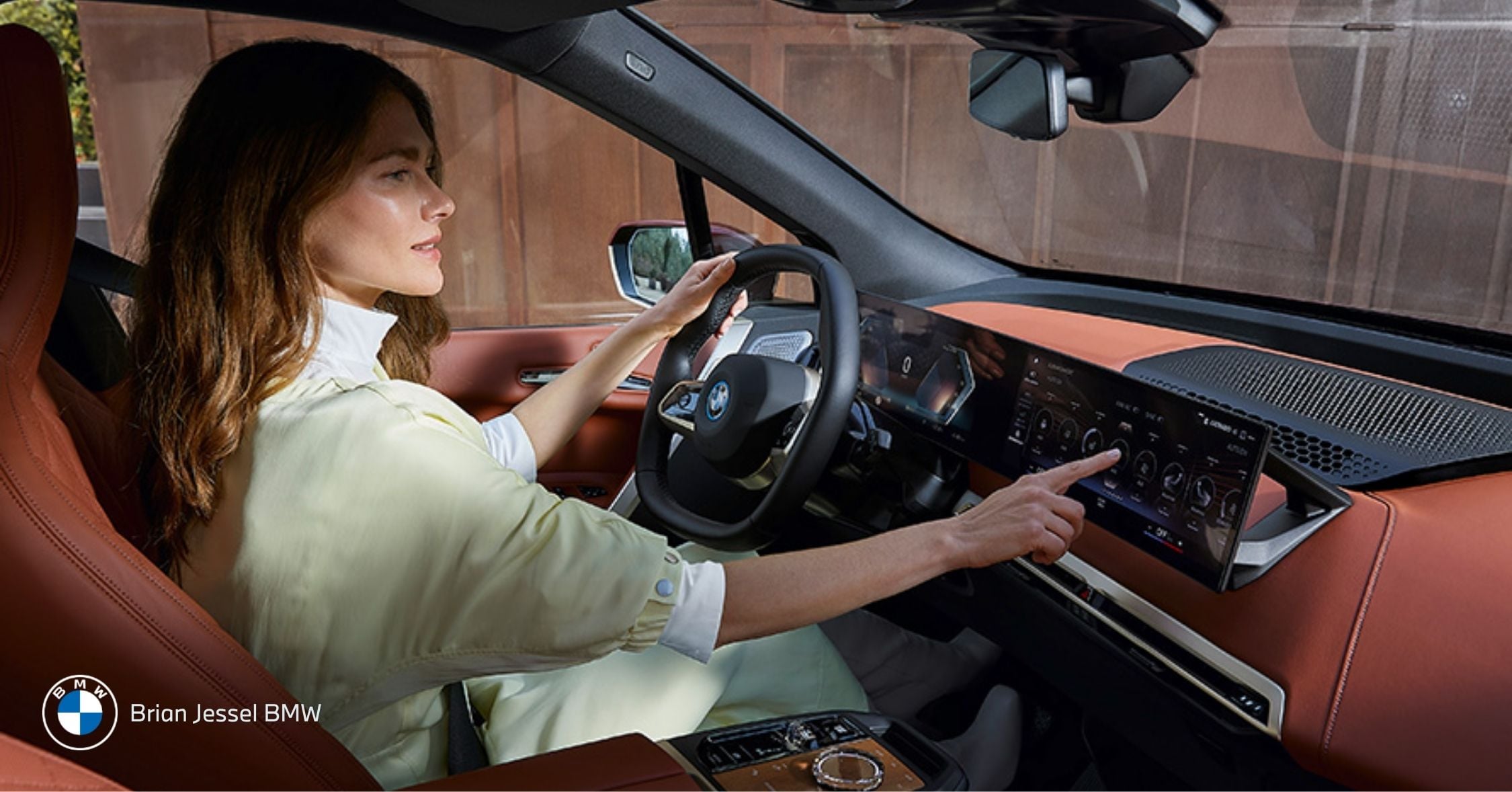
How 2026 BMW Driver Assistance Performs in Vancouver Conditions
Vancouver’s diverse weather, including rain, snow, fog, and challenging mountain roads, along with urban congestion and night driving, tests the capabilities of BMW’s 2026 Driver Assistance systems. These systems are designed to handle these conditions better than previous versions, but their effectiveness can vary.
In heavy rain or snow, sensors may experience reduced accuracy or obstruction, making lane-keeping and adaptive cruise control less reliable in certain conditions. Night driving can challenge the systems due to low visibility, but advanced headlights and night vision (where available) can assist.
Where Systems Help
BMW’s 2026 Driver Assistance systems handle moderate rain, light snow, and well-marked roads, providing lane centering and adaptive speed control. In urban congestion, the systems assist in stop-and-go traffic, and on mountain roads, they support steady grades with adaptive cruise control. At night, adaptive headlights and collision warning enhance safety.
Where Driver Awareness Is Still Critical
In heavy rain or snow, sensors can be blocked, affecting lane tracking and vehicle detection. On mountain roads with tight curves, the system may struggle. In urban areas, quick maneuvers by pedestrians or other vehicles require human reaction. At night, challenges like glare or shadows require drivers to stay alert.
BMW vs Competitors in 2026 Driver Assistance
BMW’s approach to driver assistance focuses on enhancing driver engagement and providing support for safety, rather than pursuing complete autonomy. Unlike competitors like Tesla, Mercedes, and Audi, BMW prioritizes a driver-centric philosophy, where assistance systems work as supportive tools, making driving smoother and safer while still requiring the driver to remain in control.
This contrasts with Tesla’s more autonomous approach, Mercedes’ efforts toward Level 3 autonomy, and Audi’s assistance systems, which are similarly designed to provide support without full autonomy. Here’s a conceptual comparison of the approaches:
| Feature | BMW | Tesla | Mercedes-Benz | Audi |
| Highway Assist | Hands-Free (Attentive) on Approved Highways | Advanced Level 2 (Autopilot / FSD – Driver Supervised) | Level 2 + limited Level 3 (Drive Pilot in Select Markets) | Level 2 Supervised Highway Assistance |
| Lane Support | Active Lane Centering | Lane Centering with Continuous Driver Supervision | Lane Assist | Lane Assist |
| Cruise Control | Adaptive w/ Stop & Go | Traffic-Aware Cruise | Adaptive Cruise | Adaptive Cruise |
| Collision Safety | Automatic Braking with Pedestrian & Cyclist Detection | Braking Assist | Active Brake Assist | Pre-Sense Braking |
| Driver Role | Supervision Required | Supervision Required | Supervision Required (Level 2), Conditional Automation in Limited Level 3 Scenarios | Supervision Required |
Key Differences in Approach:
- BMW: Focuses on driver control and support; systems like lane‑keeping and adaptive cruise enhance the driving experience while requiring the driver to remain engaged at all times.
- Tesla: Aims for more autonomous driving with systems like Autopilot (now bundled with FSD, which requires active supervision), but does not yet offer full autonomy.
- Mercedes: Offers Level 2++ features but is working toward Level 3 autonomy with Drive Pilot (not widely available in Canada).
- Audi: Provides Level 2 systems focused on safety, similar to BMW, without the push for full autonomy.
Which 2026 BMW Models Include These Features?
In the 2026 BMW lineup in Canada, driver assistance features are available across various models, but their availability varies based on the specific vehicle, trim level, and optional packages selected. Many core technologies, like Active Cruise Control with Stop & Go and Lane Departure Warning, are offered as standard or available equipment on models such as the 3 Series and X5.
However, more advanced features, including Highway Assistant (hands‑free highway driving), Active Lane Change, and Extended Traffic Jam Assist, are typically part of optional packages such as Driving Assistant Professional or similar advanced driver assistance packages that can be added to mid‑range or higher trims.
Premium trims are more likely to include these advanced systems either as standard or through upgrade packages, so for a full understanding of what’s available on a chosen model and trim in Canada, it’s essential to check with a local BMW dealer.
For the most accurate information on the specific availability of features, it’s essential to consult with a local BMW dealership, like Brian Jessel BMW, where model and trim specifications can be confirmed.
How Brian Jessel BMW Helps Drivers Understand and Use These Features
At Brian Jessel BMW, we are committed to helping you fully understand and make the most of your BMW’s advanced driver assistance features. Our team provides in-person demonstrations, guiding you through each system and how it works. During test drives, you’ll experience these features firsthand, with clear explanations from our experts.
We also offer setup guidance to tailor your safety systems to your preferences. Additionally, our team is always available for software updates and service calibration, ensuring your vehicle’s technology stays current.
As a trusted safety and technology advisor, Brian Jessel BMW is dedicated to giving you the confidence to use all of your BMW’s advanced features to their fullest potential.
FAQs
Is BMW self-driving in 2026?
No. BMW’s 2026 systems are Level 2 driver assistance, meaning they support steering, braking, and acceleration but require full driver attention and supervision.
Is BMW hands-free?
On select models with Highway Assistant, hands-free driving is available on approved highways, but drivers must stay attentive and ready to intervene.
Does it work in snow?
BMW systems operate in light snow, but heavy snow or blocked sensors can reduce performance. Drivers must remain alert in challenging winter conditions.
Can it prevent accidents?
BMW’s collision warning and automatic emergency braking can help reduce or prevent certain accidents, but they cannot eliminate all crash risks.
Do updates improve safety features?
Yes. Remote Software Upgrades can enhance system performance, refine assistance features, and improve overall safety functionality without visiting a dealership.
Is it worth upgrading to the Professional package?
For frequent highway drivers, the Driving Assistant Professional package adds hands-free capability and enhanced features, offering greater comfort, convenience, and advanced support.
Explore Latest Models Here: 2025 BMW Cars, BMW Gas Vehicles, BMW Electric Car, BMW M Series for Sale, BMW Luxury Line for Sale, BMW Convertible, 2025 BMW 5 Series 530i xDrive, 2024 BMW X3 M40i xDrive, BMW X Series Comparison, BMW 3 Series G50, 2026 BMW M2 xDrive G87, 2026 BMW X5 G65