BMW 3 Series vs 5 Series: Which BMW Sedan Is Better for Your Needs?
BMW 3 Series vs 5 Series: Which BMW Sedan Is Better for Your Needs?
Posted on February 8, 2026
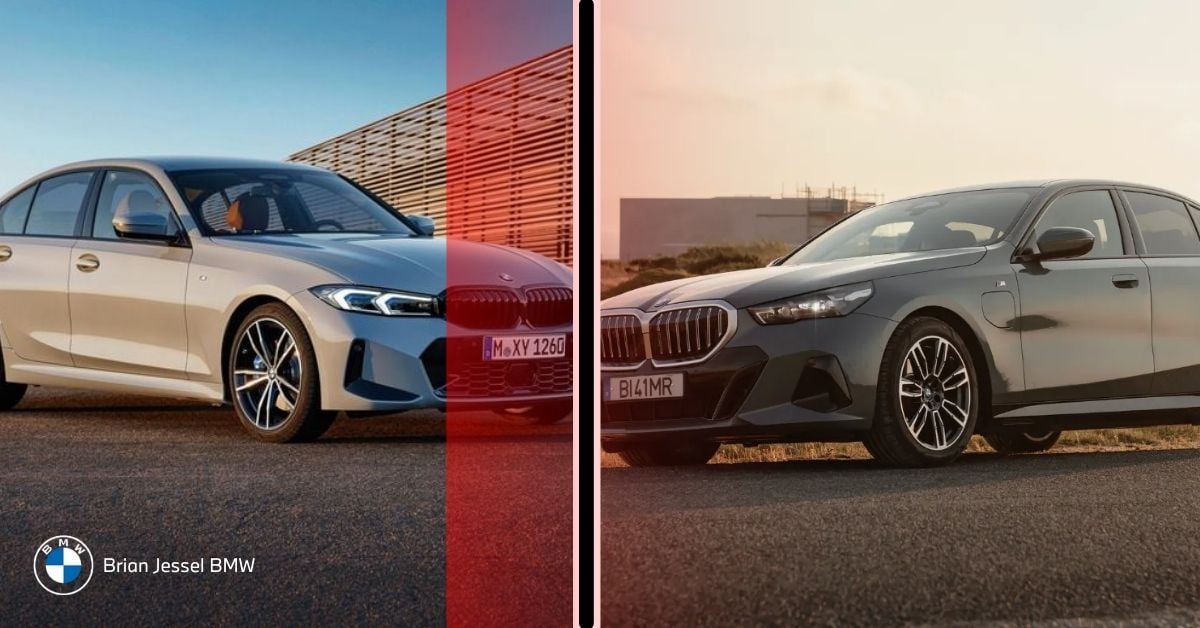
Many shoppers compare the BMW 3 Series and BMW 5 Series because both sit at the heart of BMW’s sedan lineup and share the brand’s focus on confident handling, premium interiors, and modern tech. The difference is purpose: the 3 Series is sized and tuned for drivers who want a more compact feel, while the 5 Series brings more space and a more relaxed, executive-leaning character.
This comparison uses 2025 Canadian-market information and focuses on real-life fit: daily driving in busy areas, comfort on longer routes, passenger needs, and overall value. For Vancouver-area shoppers, Brian Jessel BMW is a helpful local point of reference when you want to compare trims in person and book a test drive.
Quick Comparison Table — BMW 3 Series vs 5 Series at a Glance
A quick side-by-side snapshot highlighting how the BMW 3 Series and 5 Series differ in everyday ownership.
| Category | BMW 3 Series | BMW 5 Series |
| Driving Feel | Lighter Footprint, more “Nimble” Sensation in Tight Turns | More Settled and Substantial on the Road, Calmer at Speed |
| Comfort | Supportive, Driver-Focused | More Spacious, More Rear-Seat-Friendly, more “Executive” Ride Character |
| Space | Compact Sedan Proportions; 480 L Trunk (330i/M340i) | Midsize Sedan Proportions; 520 L Trunk (530i/550e) |
| Technology Impression | Modern, Driver-Centred Layout with a Curved Display Feel | Larger Cabin Feel and More Luxury-Leaning Presentation (Curved Display + More Premium Atmosphere) |
| Use Case | Drivers Prioritizing Easier Parking, Urban Manoeuvrability, and a Sport-Sedan Feel | Drivers Prioritizing Rear-Seat Room, Longer-Trip Comfort, and a More Formal Sedan Presence |
| Key Reasons to Choose | Lower Entry Pricing; Smaller Size; Strong Performance Options (255 hp or 386 hp) | More Cabin/Trunk Space; PHEV Option; Higher-Output Option (255 hp or 483 hp) |
| Things to Consider | Less Rear-Seat Space Than a 5 Series; Fewer “Big-Sedan” Comfort Cues | Higher Buy-In Cost; Larger Footprint for Tight Parking and Narrow Streets |
What Are the BMW 3 Series and 5 Series?
The BMW 3 Series is BMW’s compact luxury sedan. It’s often chosen by shoppers who want a premium driving experience in a size that still feels manageable in dense traffic and tighter parking.
The BMW 5 Series is BMW’s midsize luxury sedan. It targets buyers who want more cabin room, a larger road presence, and a more relaxed long-distance feel.
Where Each Model Fits in the BMW Lineup
3 Series (compact luxury sedan): smaller exterior footprint, easier day-to-day use in congested areas, sporty character.
5 Series (midsize luxury sedan): larger cabin and trunk, more rear-seat comfort potential, more “executive” positioning.
Who Each Car is Designed For
3 Series: often suits young professionals, commuters, an
d drivers who value responsive handling and a smaller, more agile footprint.
5 Series: often suits executives, frequent highway drivers, and buyers who regularly carry adult passengers in the back seat or want more cabin space.
Size and Space: How Much Room Do You Really Need
Space is one of the clearest day-to-day differences. The 5 Series adds noticeable cabin length and trunk capacity, which matters for rear-seat comfort, child seats, and luggage. The 3 Series, by contrast, tends to feel easier to place on the road and simpler to park in crowded areas.
Size and Space Comparison (2025 Canada)
| Measure | 2025 BMW 3 Series (330i xDrive / M340i xDrive) | 2025 BMW 5 Series (530i xDrive / 550e xDrive) |
| Overall Length | 4,713–4,714 mm | 5,060 mm |
| Wheelbase | 2,851 mm | 2,995 mm |
| Trunk Volume | 480 L | 520 L |
| Rear Legroom (Listed) | 893 mm | 926–928 mm |
| Rear Headroom (Listed) | 955 mm | 952–969 mm (Varies by Trim Listing) |
How size plays out in Vancouver or other busy cities:
3 Series: the shorter length can reduce stress in tight parking spots and narrow parkades.
5 Series: the longer body can feel more stable and planted, but it asks for more space when parking or making tighter turns.
Performance and Driving Feel
Both sedans offer all-wheel drive (xDrive) and automatic transmissions in the trims cited here, but they deliver their performance differently. The 3 Series tends to communicate more of the road and feels more compact. The 5 Series typically comes across as more substantial and calmer at cruising speeds, especially on highways.
Engine Options and Power Delivery
For 2025, the trims listed here include mild-hybrid setups in the gasoline models and a plug-in hybrid option in the 5 Series.
Side-by-Side Comparison Table (Powertrains)
| Trim (Canada) | Powertrain Type | Output | Torque | How It Tends to Feel in Daily Use |
| 3 Series 330i xDrive | 2.0L Turbo I-4 + Mild-Hybrid | 255 hp @ 4,700 rpm | 295 lb-ft @ 1,600 rpm | Quick Response for Merges and City Gaps; Power Comes on Early, Suits Mixed Driving |
| 3 Series M340i xDrive | 3.0L Turbo Inline-6 + Mild-Hybrid | 386 hp @ 5,200 rpm | 398 lb-ft @ 1,900 rpm | Strong Surge When Accelerating; Feels More Forceful on On-Ramps and Passing |
| 5 Series 530i xDrive | 2.0L Turbo I-4 + Mild-Hybrid | 255 hp @ 4,700 rpm | 295 lb-ft @ 1,600 rpm | Similar Output to 330i, but Delivered in a Larger, More Settled Sedan Character |
| 5 Series 550e xDrive | 3.0L I-6 + Plug-In Hybrid Motor | 493 hp | 516 lb-ft | Strong Acceleration Potential; Electric Assist Can Smooth Low-Speed Response and Passing Power |
Handling and Suspension
3 Series: The shorter wheelbase and smaller dimensions often translate into a more “tossable” feel on curvier roads and tighter turns. It can feel easier to position precisely in lane changes and urban corners.
5 Series: The longer wheelbase can contribute to a calmer, more composed feel at speed. The ride tends to feel more substantial, which many buyers prefer for frequent highway use.
(As always, wheel/tire choices and packages can change the feel; a dealership test drive is the most reliable way to confirm what you prefer.)
Driving Experience in City vs Highway
City streets: The 3 Series footprint can feel more manageable in traffic, tight turns, and parking structures. The 5 Series is still city-capable, but it asks for more attention in tight spaces.
Highway: The 5 Series length and weight can translate into a more settled cruising feel. The 3 Series remains stable, but it presents a more compact, driver-focused sensation.
Interior Design and Comfort
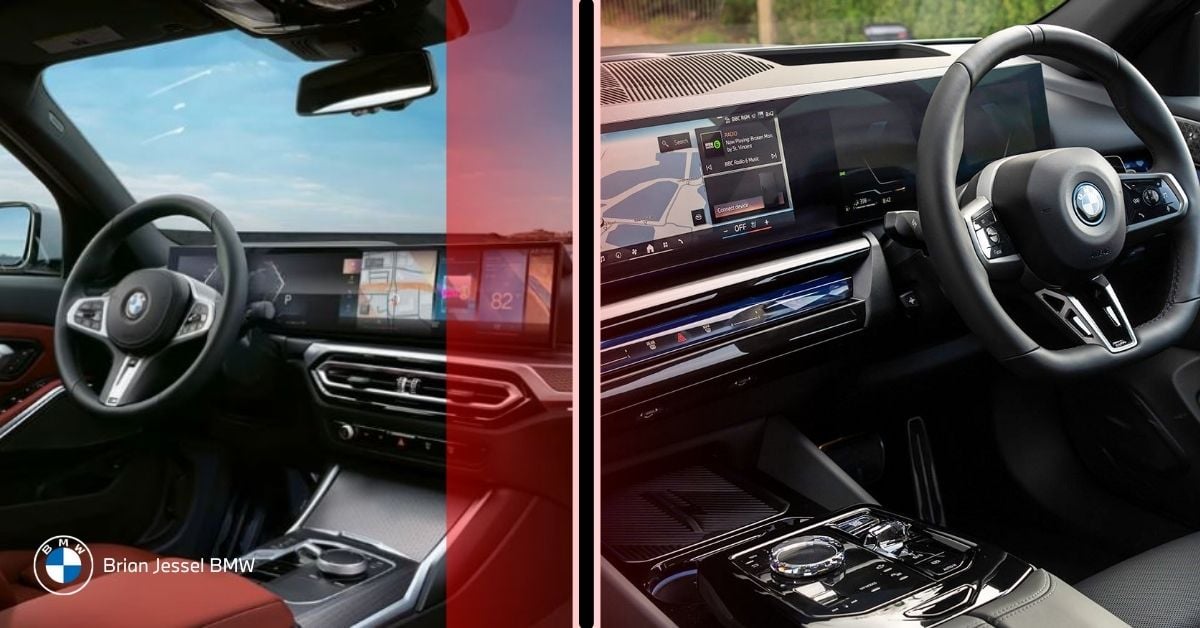
Both sedans aim for a premium, driver-oriented cabin with modern screens, but the experience differs mainly due to size and cabin ambience.
Materials and Build Quality
3 Series: Premium look and feel with a sport-sedan tone; the cabin layout is oriented around the driver’s controls and screens.
5 Series: Similar BMW design language, but the extra cabin volume and broader dash layout can feel more formal and “big sedan” in presentation.
Seating and Ergonomics
The 3 Series offers supportive front seating well suited to drivers who spend significant time in mixed city and highway conditions, with rear seating that is workable for adults but more limited than in the 5 Series.
By contrast, the 5 Series provides greater rear-seat flexibility and overall comfort for multiple passengers, along with a larger 520-litre trunk that is better suited for luggage, strollers, or regular shopping needs.
Cabin Quietness and Ride Comfort
The 3 Series delivers a more connected, sport-sedan feel that many drivers appreciate on shorter commutes or twistier routes, while the 5 Series’ longer wheelbase and larger body translate into a calmer, more relaxed ride, particularly on longer drives.
Technology & Luxury Features — How the BMW 3 Series vs 5 Series Compare Inside
Both models have modern infotainment, including Apple CarPlay and Android Auto. The difference is usually presentation and how much the cabin feels like a larger luxury sedan.
Tech Experience in the BMW 3 Series (Modern and Driver-Centered)
The cabin features a digital-forward layout that supports a focused driving position, with screen-based controls and connectivity such as Apple CarPlay and Android Auto, creating a tech environment that feels purposeful for drivers who value a sport-sedan experience.
Tech Experience in the BMW 5 Series (Advanced, High-End, Premium)
The larger cabin and dashboard create a more “executive” presentation of the technology, supported by strong connectivity features such as Apple CarPlay and Android Auto, with in-car Wi-Fi listed as standard on the 530i and 550e. Overall, the environment leans toward a luxury-sedan atmosphere, particularly for drivers who frequently carry passengers.
Which Sedan offers better value for technology lovers?
This comes down to whether you want modern functionality in a compact sedan, or you want the same core functionality presented in a larger, more premium-feeling cabin.
Side-by-side table of core features
| Feature (As Listed) | 2025 3 Series (330i/M340i) | 2025 5 Series (530i/550e) |
| Infotainment Screen | 12.30-Inch Touchscreen (Listed) | 12.30-Inch Touchscreen (Listed) |
| Smartphone Integration | Apple CarPlay + Android Auto (Listed) | Apple CarPlay + Android Auto (Listed) |
| Audio System | 10-Speaker Systems Listed | 16-Speaker Harman/Kardon Listed (530i/550e) |
| Wireless Charging | Listed as Standard (3 Series) | Listed as Standard (530i/550e) |
| In-Car Wi-Fi | Not Listed as Available | Listed as Standard (530i/550e) |
Safety and Driver Assistance
Both series include a strong set of driver-support features in the listings provided, presented here in plain language.
Commonly listed items across these trims include:
- Blind spot monitoring (helps warn you if a vehicle is in your blind spot)
- Lane departure warning (alerts you if the car drifts toward lane markings)
- Forward collision warning / city braking (can warn you and assist with braking in certain situations)
- Parking sensors (assists with spacing at low speeds)
- Back-up camera (improves rear visibility while reversing)
The 3 Series show items like collision mitigation and rear collision prevention; the 5 Series listings include evasion assist in the dealer feature list. Exact availability can depend on trim and packages, so it is worth confirming the build you’re considering.
Pricing and Value in Canada
Pricing is one of the main practical differences. The 3 Series starts at a lower point, while the 5 Series begins higher and rises further with its plug-in hybrid option.
Canadian MSRP ranges (before Freight & PDI):
- 2025 BMW 3 Series: $56,900–$69,900
- 2025 BMW 5 Series: $71,200–$84,200
Freight & PDI are additional and vary slightly by model year and configuration.
MSRP Comparison Across Trims
| Model | Trim Examples Referenced Here | MSRP Positioning (Canada) |
| 3 Series | 330i xDrive; M340i xDrive | Lower Starting Point; Rises with M340i |
| 5 Series | 530i xDrive; 550e xDrive (PHEV) | Higher Starting Point; Rises with PHEV Output and Equipment |
Feature Value for the Money
From a value perspective, the 3 Series makes sense for buyers seeking a premium sedan with xDrive availability and strong performance without stepping into a midsize price bracket. The 5 Series justifies its higher cost through added space, including a 520-litre trunk and a longer wheelbase.
It also offers a larger and more refined cabin feel. More premium audio and technology features are included as well. The 550e further adds plug-in capability and higher overall system output.
Which one is the smarter buy?
This depends on what you prioritize day to day.
| Side-by-Side Comparison Table (Value logic) | ||
| If You Value… | Often Points Toward the 3 Series | Often Points Toward the 5 Series |
| Lower Buy-In Cost | Yes | Less Often |
| Easier City Parking and Tighter Manoeuvres | Yes | Less Often |
| More Rear-Seat Room and Trunk Capacity | Less Often | Yes |
| More Relaxed Long-Distance Feel | Sometimes | Often |
| Plug-In Hybrid Capability | No (in the Trims Listed) | Yes (550e xDrive) |
Cost & Long-Term Ownership: What to Expect When Choosing the 3 Series vs 5 Series
Purchase price is only one part of ownership. Service needs, fuel/energy use, and day-to-day practicality matter just as much. Having your vehicle serviced through a trusted BMW dealership such as Brian Jessel BMW can simplify routine maintenance and support long-term upkeep.
Maintenance and Service Considerations
Both models follow modern BMW maintenance expectations, including scheduled service intervals, wear items such as tires and brakes, and occasional software updates. The 5 Series may carry higher ownership costs in areas like tires, particularly with larger wheel sizes, and certain parts, due to its size and positioning.
Fuel Economy & Daily Cost Considerations
Fuel efficiency varies by model and powertrain. The 3 Series 330i xDrive is listed at approximately 8.3 L/100 km combined, while the M340i xDrive is listed around 9.2 L/100 km combined, with real-world results influenced by wheel choice, options, and driving style.
The 5 Series 530i xDrive is listed at approximately 8.9 L/100 km combined. The 550e xDrive plug-in hybrid stands apart with a listed 3.5 Le/100 km combined and an estimated 82 km of electric range, which can significantly reduce daily energy costs for drivers who can charge regularly.
Parking, City Driving & Vancouver Road Conditions
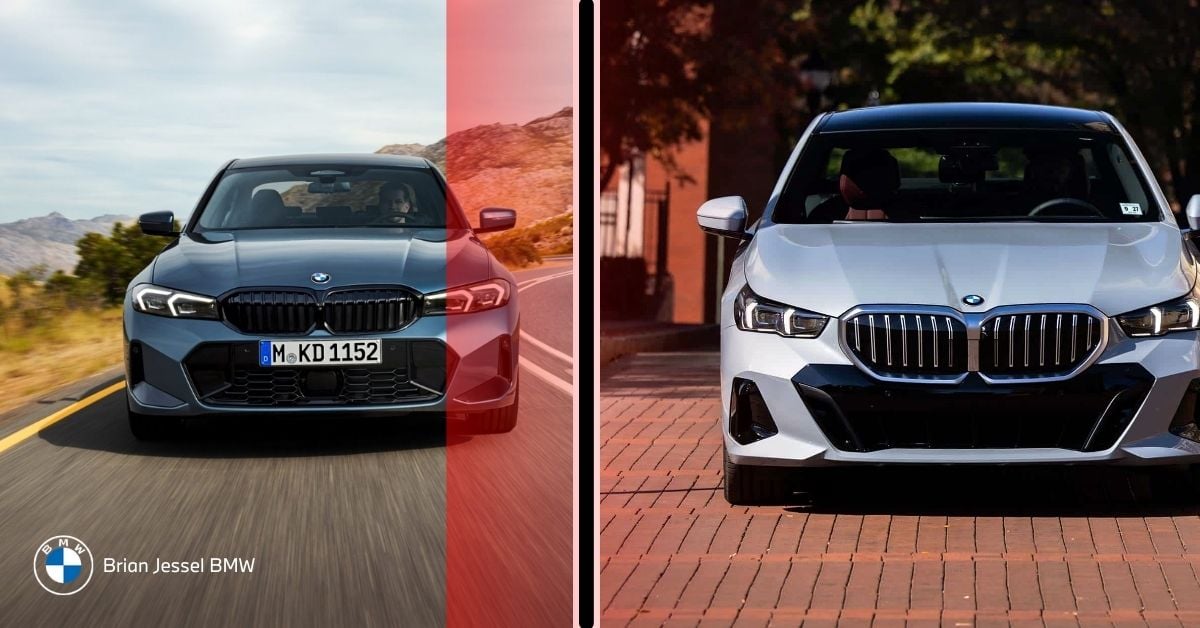
The 3 Series’ shorter length can reduce friction in parkades and tight curbside parking, while the 5 Series’ additional length is more noticeable during tight manoeuvres, though many drivers accept this trade-off for the added cabin room and improved highway composure.
Long-Term Reliability Reputation
The discussion references third-party assessments of prior model years for both the 3 Series and 5 Series. For ownership planning, it is reasonable to expect that maintenance history and proper servicing will play a major role in how either sedan performs after three to five years.
Resale Value and Depreciation
Resale value often depends on:
- powertrain type (PHEV demand can vary regionally),
- mileage and service history,
- condition, and
- trim selection.
In practice, a well-documented service record and popular options typically support stronger resale outcomes for either series.
Summary table (ownership considerations)
| Ownership Factor | 3 Series | 5 Series |
| Day-to-Day Size Practicality | Often Easier | Often Requires More Space |
| Energy Costs | Strong for 330i; Higher for M340i | 530i Similar Class; 550e Can Be Lower Day-to-Day if Charging Is Consistent |
| Tire/Wheel Cost Tendency | Often Lower (Depending on Wheel Size) | Often Higher (Larger Wheels Common) |
| Service Complexity | Straightforward Modern BMW Needs | Similar, With PHEV Adding Charging/Battery Considerations (550e) |
| Resale Drivers | Condition + Service Record + Popular Trim | Same, With Added Variation for PHEV Demand |
Which BMW Fits Your Lifestyle
Choosing between BMW’s 3 Series and 5 Series depends on lifestyle priorities, daily driving needs, and long-term ownership expectations overall.
For First-Time Luxury Buyers or Young Professionals
The 3 Series often suits buyers who want a premium sedan that feels manageable in daily use and comes in at a lower starting MSRP range than the 5 Series. The 330i xDrive’s 255 hp output is a strong baseline for commuting and weekend driving.
For Executives, Families, or Business Use
The 5 Series often suits drivers who need more rear-seat flexibility and a larger overall cabin for passengers or client driving. The 520 L trunk and longer wheelbase can matter for luggage, child gear, and adult rear passengers.
Learn More: Best BMW Models for Families
For City Driving and Daily Commutes
The 3 Series’ smaller footprint tends to reduce parking friction and feels more agile in congested traffic, while the 5 Series remains workable for daily use but its added size becomes more noticeable in tight parkades and narrow streets.
Learn More: Best BMW for Daily Driving
For Long-Distance Driving and Highway Comfort
The 5 Series often feels more settled over longer distances due to its size and wheelbase, while the 3 Series remains comfortable but delivers a more compact, sport-sedan sensation.
Learn More: Top BMWs for Road Trips
For All-Weather Canadian Driving
Both series are shown here with xDrive (AWD) availability in Canada (330i xDrive, M340i xDrive, 530i xDrive, 550e xDrive). For rain and snow:
- xDrive supports traction, but winter tires remain a major factor in real grip and braking.
- For drivers who face steep hills or frequent winter conditions, pairing xDrive with a dedicated winter tire setup is often the practical approach.
Side-by-Side Comparison Table (Lifestyle fit)
| Use Case | 3 Series | 5 Series |
| Dense City Use + Tight Parking | Often More Comfortable to Live With | Often Workable, but Size Is More Noticeable |
| Frequent Adult Rear Passengers | May Feel Tighter for Taller Adults | More Accommodating |
| Road Trips and Long Highway Stretches | Comfortable, More Compact Feel | More Relaxed, More Substantial Feel |
| Charging Access (Home/Work) | Not a Factor in Trims Listed Here | 550e Benefits Materially if Charging Is Consistent |
| Winter Driving (With Proper Tires) | xDrive Trims Support Traction | xDrive Trims Support Traction |
Summary: Key Differences Between the 3 Series and 5 Series
Below is a concise overview highlighting key differences between BMW 3 Series and 5 Series.
- Size: 5 Series is longer (5,060 mm vs ~4,713–4,714 mm) and has a longer wheelbase (2,995 mm vs 2,851 mm).
- Cargo: 5 Series listed at 520 L trunk vs 480 L in the 3 Series trims shown.
- Power options: 3 Series ranges from 255 hp (330i) to 386 hp (M340i); 5 Series ranges from 255 hp (530i) to 493 hp (550e PHEV).
- Efficiency: 330i listed as low as 8.3 L/100 km combined; 530i listed 8.9 L/100 km combined; 550e listed 3.5 Le/100 km combined with 82 km EV range.
- Pricing (Canada): The 3 Series enters the lineup at a lower base MSRP than the 5 Series, which carries a higher starting price reflecting its larger size and added features. Freight & PDI are additional for both models.
- Driving character: 3 Series tends to feel more compact and agile; 5 Series tends to feel more substantial and calm at speed.
Final Verdict: Should You Choose the BMW 3 Series or 5 Series?
Choose the BMW 3 Series if your priorities centre on a smaller footprint for daily city use, a sport-sedan driving feel, and a lower entry point into BMW sedan ownership.
Choose the BMW 5 Series if you value more rear-seat room, a larger and more refined cabin, and greater long-distance comfort.
If you can charge regularly, the 550e xDrive adds a distinct ownership advantage with its plug-in capability and listed electric range.
Our Recommendation by User Type
First-time luxury buyers and daily commuters often align with the 3 Series 330i xDrive for its value and easy manageability. Drivers seeking stronger acceleration often compare the 3 Series M340i xDrive with the 5 Series 550e xDrive, depending on driving feel, cost, and whether plug-in charging fits their routine.
Families, executives, and frequent passengers often lean toward the 5 Series for its added space and cabin presence. Highway-heavy drivers also tend to prefer the 5 Series for its more substantial and settled cruising character.
Explore the BMW 3 Series and 5 Series at Brian Jessel BMW in Vancouver
If you are cross-shopping the BMW 3 Series vs 5 Series, seeing them side-by-side is often the fastest way to settle size, seating comfort, and driving feel. Brian Jessel BMW in Vancouver can help you compare trims such as the 330i xDrive, M340i xDrive, 530i xDrive, and 550e xDrive, and book test drives so you can evaluate city manoeuvrability, highway comfort, and cabin fit in a way spec tables cannot fully show.
FAQs
1. Is the BMW 5 Series worth the extra cost over the 3 Series?
Often, yes if you need more space (520L trunk, longer wheelbase) or want the 550e PHEV (493 hp, 82 km EV range).
2. Which BMW is better for city driving?
Many drivers find the 3 Series easier in tight parking and congested streets because of its smaller exterior footprint.
3. Does the 3 Series feel too small for families?
It depends on passenger needs. The 3 Series can work for smaller families, but if adult rear passengers or bulky child gear are common, the 5 Series’ added length and listed rear legroom can be more comfortable.
4. Is the 5 Series more comfortable for long trips?
Often, yes. The 5 Series’ longer wheelbase and larger cabin tend to create a calmer long-distance feel for many drivers and passengers.
5. What’s the fuel efficiency difference between 3 Series and 5 Series?
From the data provided: the 330i xDrive is listed as low as 8.3 L/100 km combined, the 530i xDrive is listed at 8.9 L/100 km combined, and the 550e xDrive is listed at 3.5 Le/100 km combined with 82 km electric range.
6. Which has better resale value: BMW 3 Series or 5 Series?
Resale is driven heavily by condition, mileage, service history, and trim demand. Either can hold value better with consistent servicing and careful ownership; PHEV demand can vary by region and charging access.
7. Are both models available with xDrive in Canada?
Yes, the trims referenced here include 330i xDrive, M340i xDrive, 530i xDrive, and 550e xDrive.
8. Can I lease a 5 Series from Brian Jessel BMW?
Yes. Brian Jessel BMW can review current 5 Series lease availability and terms. Lease offers vary by trim, mileage, term length, and inventory.
9. What is the difference in interior features between the two?
Both list CarPlay/Android Auto and 12.3-inch screens. 5 Series lists 16-speaker Harman Kardon and in-car Wi-Fi standard; 3 Series lists 10 speakers.
Explore Latest Models Here: 2026 BMW Cars, 2025 BMW Cars, BMW Electric Cars, BMW Gas Vehicles, BMW M Series for Sale, BMW Luxury Line for Sale, BMW Convertible, 2025 BMW 5 Series 530i xDrive, 2024 BMW X3 M40i xDrive, 2025 BMW i5