Best BMW Models for Whistler Trips 2026: AWD, Comfort & Winter Performance
Best BMW Models for Whistler Trips 2026: AWD, Comfort & Winter Performance
Posted on April 30, 2026
Driving from Vancouver to Whistler is a regular route for many drivers in British Columbia. The Sea-to-Sky Highway combines coastal weather, elevation changes, and mountain terrain, which creates demanding conditions, especially during winter.
Snowfall, ice, and wet pavement can appear within the same trip. Because of this, the vehicle you choose has a direct impact on traction, control, and comfort over long distances.
Why Choosing the Right BMW for Whistler Trips Matters
The route to Whistler is not a typical highway drive. It includes steep climbs, tight curves, and sections where weather conditions shift quickly. During winter, these factors are combined with reduced visibility and snow accumulation.
British Columbia requires winter tires or chains on designated highways (including Highway 99 / Sea-to-Sky) between October 1 and April 30. This requirement applies to most major routes across the province.
Vehicles must use tires marked M+S (Mud and Snow) or the three-peaked mountain/snowflake symbol. M+S tires meet the legal minimum requirement, while three-peaked mountain/snowflake (3PMSF) tires are recommended for improved winter performance.
Chains are typically required only when signage indicates, most commonly for commercial vehicles or during severe winter conditions.
A vehicle that lacks proper traction systems or stability control may struggle in these conditions. At the same time, long driving periods place importance on seating comfort, cabin quietness, and overall ride quality. Choosing the right BMW helps address both safety and comfort concerns for this specific route.
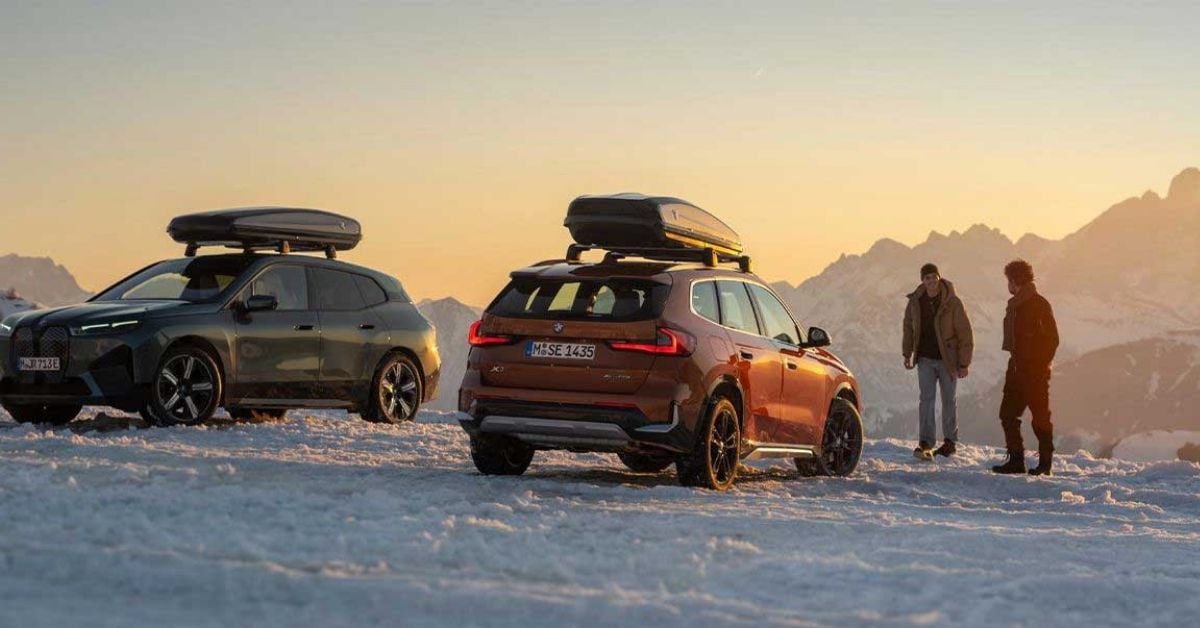
What Makes a BMW Ideal for Whistler Trips?
BMW vehicles are engineered with a focus on balance between driving performance and passenger comfort. This becomes especially important on winter drives to Whistler, where road conditions and travel time can quickly impact both safety and comfort.
BMW refers to its SUVs as Sport Activity Vehicles (SAVs), emphasizing performance and on-road dynamics. For clarity, this guide uses “SUV”, the term most drivers recognize, when discussing BMW’s off-road-capable models.
BMW xDrive (AWD) for Snow and Mountain Roads
BMW xDrive is designed to adjust power distribution between the front and rear wheels in real time. On a route like the Sea-to-Sky Highway, where conditions can shift from dry pavement to snow within minutes, this system helps maintain traction without requiring driver input.
Compared to rear-wheel drive, AWD provides more consistent grip during acceleration and cornering. This is especially useful on inclines or when exiting turns on slippery surfaces.
BMW xDrive is designed to vary torque distribution based on traction conditions, rather than maintaining a fixed split.
Ground Clearance and SUV vs Sedan for Winter Driving
Vehicle height affects how it performs when snow builds up. SUVs such as the BMW X5 and BMW X7 offer more ground clearance, which helps when roads are not fully cleared.
Sedans like the BMW 3 Series remain stable on maintained highways and benefit from a lower centre of gravity. For drivers who mostly travel on plowed roads, a sedan with AWD can still perform reliably.
Higher ground clearance generally improves mobility in deeper snow, while a lower centre of gravity improves stability on cleared roads.
Winter Tires and Traction Control Systems
Winter tires or chains are required on designated highways in British Columbia, including Highway 99 (Sea-to-Sky Highway), and play a major role in vehicle control. They provide better grip at low temperatures and improve braking on snow and ice.
BMW integrates traction and stability systems that work alongside these tires. These systems adjust braking and engine output when wheel slip is detected, helping the driver maintain control without sudden corrections.
No drivetrain system replaces the need for proper winter tires and safe driving practices.
Comfort Features for Long Drives
Comfort becomes more noticeable on repeated trips between Vancouver and Whistler. BMW interiors are designed to reduce fatigue through supportive seating, controlled cabin noise, and suspension systems that handle uneven surfaces.
Heated seats and steering wheels are particularly useful during colder months, while infotainment systems support navigation and communication throughout the drive.
Cargo Space for Ski and Snowboard Gear
Trips to Whistler often require carrying bulky equipment. SUVs provide flexible storage areas with folding rear seats, allowing skis and snowboards to fit inside the vehicle. Sedans can manage smaller loads, but larger equipment may require external storage solutions.
Driver Assistance Systems
BMW models include driver-assistance technologies that support control on long and demanding routes. Stability systems, cruise control functions, and lane guidance features assist during highway driving, particularly in variable weather conditions.
These systems support the driver but do not replace the need for careful driving, especially in winter conditions.
This combination of traction, comfort, and control helps narrow down which BMW models are best suited for Whistler trips. The following vehicles combine these qualities with practical features for winter driving conditions.
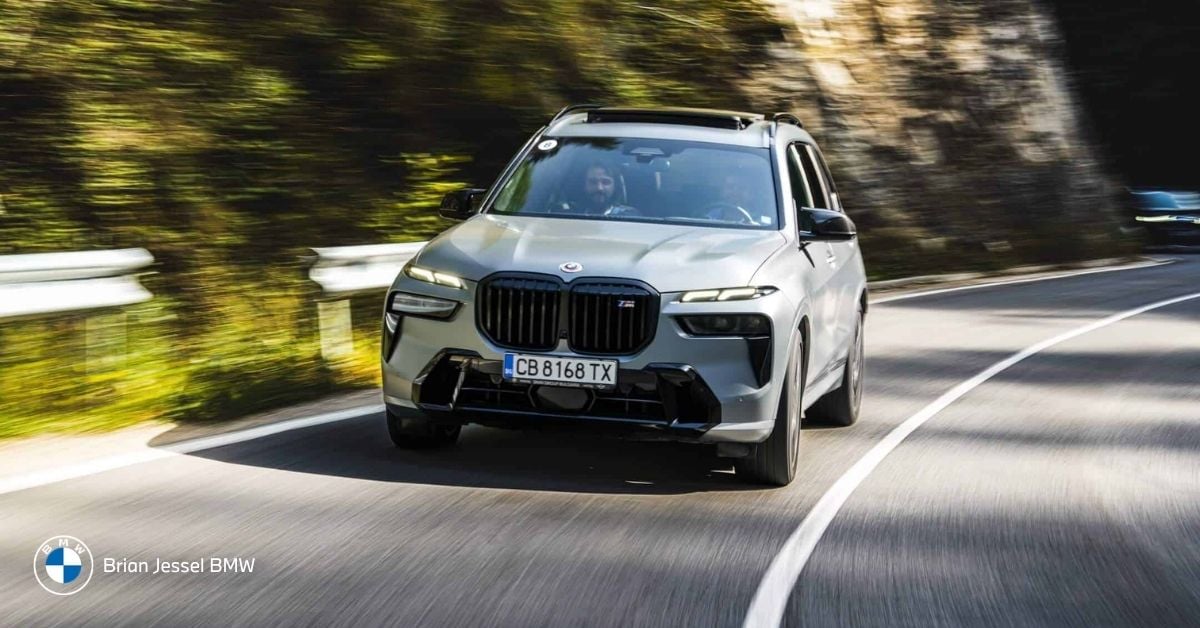
Best BMW Models for Whistler Trips (2026 Edition)
Different BMW models suit different types of travel. The right choice depends on passenger needs, cargo requirements, and how often the trip is made.
Disclaimer: The following recommendations are based on general vehicle characteristics and are for informational purposes only. They do not reflect official rankings, safety ratings, or regulatory guidance. Drivers should consult official provincial sources and vehicle manufacturers for current requirements and specifications.
Best BMW SUVs for Whistler Trips in 2026
SUVs are commonly chosen for Whistler trips due to their combination of space, height, and all-weather capability.
The BMW X3 is suited to drivers who want a balance between daily usability and winter performance. Its size makes it manageable in urban settings, while xDrive supports stable handling on snowy roads. It works well for individuals or small families making regular trips.
It is particularly strong for Whistler trips because it balances winter traction, fuel efficiency, and everyday usability. Its ride comfort is well suited for the Vancouver to Whistler drive, providing a smooth and controlled feel over long distances. It is best suited for individuals or small families who want a practical SUV that performs reliably in snow without being too large for city driving.
The BMW X5 offers more interior space and a smoother ride. On longer drives, its suspension and seating comfort reduce fatigue. It also provides increased cargo capacity, making it more practical for families or those carrying additional equipment.
The X5 stands out for Whistler travel due to its strong balance of power, comfort, and stability in winter conditions. Its suspension and cabin insulation make long drives more comfortable, especially during colder months. It is best suited for families or frequent travellers who want extra space, higher comfort levels, and confidence on mountain roads.
The BMW X7 is designed for larger groups. Its three-row seating and quiet cabin make it suitable for longer stays or group travel. The added space allows passengers and gear to be accommodated without compromise.
The X7 is particularly well suited for Whistler trips involving larger groups, where space and comfort are priorities. Its quiet cabin and smooth ride help reduce fatigue on longer drives, even in winter conditions. It is best suited for larger families or group travel where passenger capacity and cargo space are more important than compact size.
Note: These models may be available through BMW dealerships such as Brian Jessel BMW; availability may vary depending on current inventory and configurations.
Best BMW Sedans for Whistler Trips
Sedans remain a practical option for Whistler travel when equipped with all-wheel drive, especially for drivers who prioritize efficiency and handling.
The BMW 3 Series (available with xDrive on select trims) offers stable performance on maintained roads. It is well-suited to commuters or drivers making occasional trips, though its lower clearance limits performance in deeper snow.
The 3 Series performs well on Whistler trips when roads are maintained, offering stable handling and efficient performance. Its lower ride height provides a more connected driving feel, which some drivers prefer on winding roads. It is best suited for individuals or couples who make occasional trips and prioritize efficiency and driving dynamics over cargo space.
The BMW 5 Series (available with xDrive on select trims) focuses more on comfort. Its ride quality and quieter cabin make it more suitable for longer drives. It fits drivers who value comfort but do not require large cargo space.
The 5 Series stands out for its ride comfort and refined cabin, which make longer drives to Whistler more relaxed. It offers a quieter interior and smoother suspension compared to smaller sedans. It is best suited for drivers who prioritize comfort and a more premium driving experience while still maintaining AWD capability for winter conditions.
Best BMW Electric Models for Whistler Trips
Electric BMW models can be used for Whistler trips, though winter conditions require more planning.
The BMW iX offers all-wheel drive and a stable driving feel with spacious interior capacity. The iX is particularly strong for Whistler trips due to its dual-motor AWD system and stable handling in changing conditions. Its spacious interior and quiet ride enhance comfort during longer drives. It is best suited for drivers who want an all-electric SUV with strong winter capability and are comfortable planning charging stops in advance.
The BMW i4 provides a quieter and smoother driving experience for lighter travel needs.
The i4 works best for Whistler trips when travel conditions are moderate and routes are well planned. It offers a smooth and quiet ride, but its lower clearance and range sensitivity in cold weather require more preparation. It is best suited for solo drivers or couples who prioritize efficiency and electric driving over cargo space and winter versatility.
There are multiple charging stations along the Vancouver to Whistler route, including fast-charging locations in Squamish and Whistler, which makes planning stops more manageable for most trips.
Keep Reading: Top BMWs for Winter Driving in Canada
BMW AWD vs Other AWD Systems
All-wheel-drive systems differ in how they manage power. BMW xDrive is one of several AWD systems available and is designed to adjust torque distribution based on traction conditions.
Drivers should compare AWD systems alongside factors such as winter tires, vehicle weight, ground clearance, and driving conditions, rather than relying on drivetrain alone.
This allows the system to respond to changing conditions such as dry pavement, snow, or ice, and supports balanced handling during elevation changes.
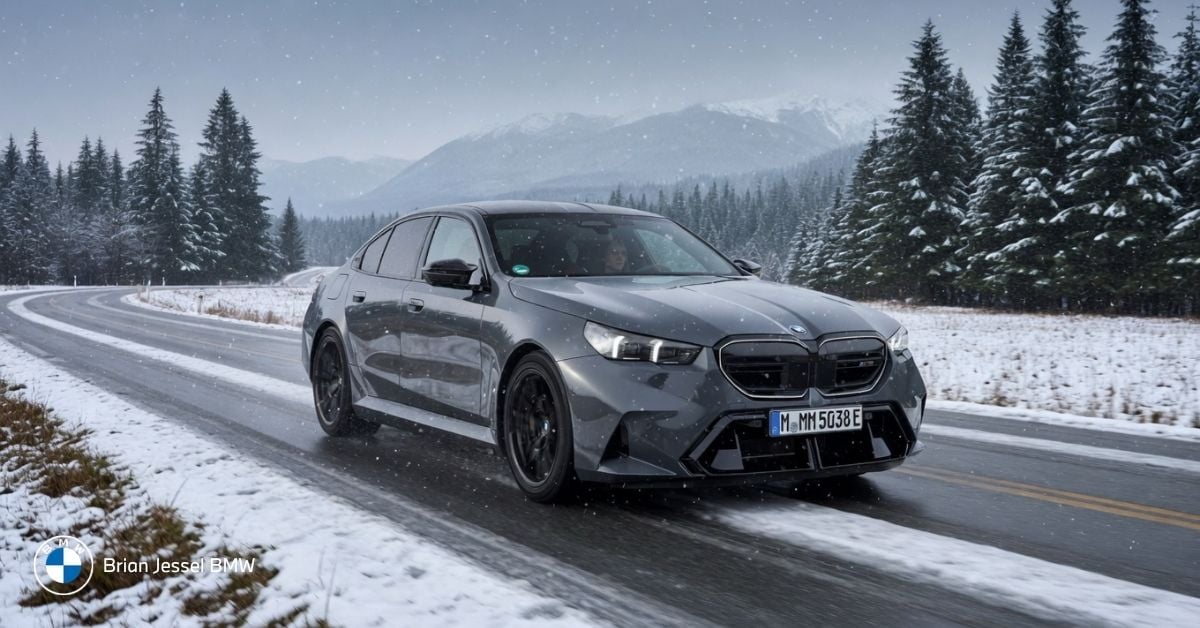
Is a BMW SUV or Sedan Better for Whistler Trips?
Choosing between an SUV and a sedan depends on how the vehicle will be used. SUVs are often preferred for their higher ground clearance and cargo capacity, making them more suitable for families or frequent travellers with equipment.
Sedans offer better fuel efficiency and a more stable feel on clear roads. They are commonly selected by drivers who combine daily commuting with occasional trips to Whistler.
For drivers making frequent winter trips or travelling with equipment, an SUV is generally the more practical choice. For occasional trips on well-maintained roads, an AWD sedan can still be a comfortable and efficient option.
Winter Driving Tips for Vancouver to Whistler Trips
Preparation is essential when driving in winter conditions in British Columbia. The following points are especially relevant for the Sea-to-Sky Highway:
- Install winter tires that meet provincial requirements
- Check current weather and road conditions (e.g., DriveBC) before departure
- Allow extra time for travel during snow or heavy traffic
- Maintain a safe following distance
- Avoid sudden acceleration or braking
BMW safety systems such as traction control and stability management assist in maintaining control, but careful driving remains necessary.
Cost Considerations: Buying the Best BMW for Whistler Trips
The cost of a BMW varies depending on model type, size, and powertrain. SUVs generally involve higher purchase and fuel costs compared to sedans, while electric vehicles may reduce fuel expenses but require planning for charging.
Additional costs include winter tires, maintenance, and insurance. Matching the vehicle to your travel frequency and usage helps manage long-term expenses.

Why Buy from Brian Jessel BMW in Vancouver?
At Brian Jessel BMW, our team regularly helps Vancouver drivers choose models suited for the Sea-to-Sky Highway, taking into account winter conditions, elevation changes, and long-distance comfort.
We also assist with financing and leasing options, along with guidance on selecting the right configuration based on how and where you drive. Our goal is to make sure each driver leaves with a vehicle suited to their real-world travel needs, not just specifications on paper.
Explore BMW Inventory in Vancouver for Your Next Whistler Trip
Drivers can review available models, compare features, and arrange test drives to determine which vehicle suits their driving requirements. Seeing the vehicles in person provides a clearer understanding of space, comfort, and driving position.
FAQs
Do I need AWD to drive to Whistler?
AWD is not required by law, but it improves traction and control in winter conditions.
Which BMW is suitable in snow?
Models equipped with xDrive, such as the X3, X5, and AWD versions of the 3 Series, perform reliably when paired with winter tires.
Are BMW sedans good for winter driving?
Yes, particularly AWD models, though they have lower ground clearance than SUVs.
Which BMW has the most ground clearance?
Among the models discussed, larger SUVs such as the X7 generally offer greater winter-trip practicality; exact ground clearance varies by configuration.
Which BMW is comfortable for long-distance driving?
The 5 Series and X5 are commonly chosen for their ride comfort and quieter cabins.
What is a suitable family BMW for ski trips?
The X5 and X7 provide space for passengers and winter equipment.
Are electric BMWs reliable in winter?
Yes, though battery range may decrease in cold temperatures, so trip planning is important.
Explore Latest Models Here: 2025 BMW Cars, BMW Gas Vehicles, BMW M Series for Sale, BMW Luxury Line for Sale, BMW Convertible, 2025 BMW 5 Series 530i xDrive, 2024 BMW X3 M40i xDrive, BMW X Series Comparison, BMW 3 Series G50, 2026 BMW M2 xDrive G87, 2026 BMW X5 G65