Audi A4 Vs BMW 3 Series: Which Premium Sedan Fits Your Needs
Audi A4 Vs BMW 3 Series: Which Premium Sedan Fits Your Needs
Posted on February 5, 2026
When shoppers in Canada begin comparing compact luxury sedans, two models consistently rise to the top: the Audi A4 and the BMW 3 Series. Both offer refined design, strong performance, advanced safety technology, and all-wheel-drive capability suited for Canadian conditions. Yet, while they appear similar on the surface, they deliver noticeably different ownership experiences.
This guide provides a detailed, buyer-focused comparison across performance, daily usability, interior comfort, technology, safety, pricing, and long-term ownership. It is written to help you decide which model fits your priorities, while also explaining why many Vancouver drivers end up leaning toward the BMW 3 Series, and why Brian Jessel BMW is a practical place to evaluate one locally.
Overview of the Audi A4 and BMW 3 Series
Both the Audi A4 and BMW 3 Series are five-seat compact luxury sedans that typically come with turbocharged powertrains, premium interiors, and advanced safety technology. They are frequently cross-shopped by Canadian buyers who want a sedan that feels upscale without stepping into a larger executive-class model.
The Audi A4 is often chosen for its composed ride, clean interior design, and steady all-wheel-drive character.
The BMW 3 Series continues to attract drivers who care about steering feel, chassis balance, and strong engine choices, especially with 330i xDrive and M340i xDrive trims offering distinct performance levels.
Side-by-Side Comparison Table: BMW 3 Series vs Audi A4
This table provides a clear, side-by-side overview of key specifications, features, and pricing to help compare the BMW 3 Series and Audi A4 at a glance.
| Category | 2025 BMW 3 Series (Canada) | 2025 Audi A4 (Canada) |
| Engine Specs | 330i xDrive: 2.0L Turbo Mild Hybrid (255 HP) M340i xDrive: 3.0L Turbo Mild Hybrid (386 HP) | All Trims (45 TFSI Quattro): 2.0L Turbo Mild Hybrid (261 HP) |
| Interior Features | Curved Digital Display; Premium Materials; Sport-Oriented Setup Varies by Package/Trim | Premium Materials; Digital Cluster Available; Equipment Increases by Trim (S tronic → Progressiv → Technik) |
| Tech Systems | BMW iDrive With Curved Display; Apple CarPlay/Android Auto; Navigation and Audio Vary by Trim/Package | Audi MMI; Apple CarPlay/Android Auto; Screen Size and Features Vary by Trim (Base: 7.0", Upper: 12.3") |
| Safety Features | Blind Spot Monitoring, Lane Departure Warning, Collision Warning/Mitigation (Availability Varies by Trim/Package) | Blind Spot Monitoring, Lane Departure Warning, Rear Cross-Traffic Alert; Higher Trims Add Camera and Parking Tech |
| MSRP (By Trim) | 330i xDrive: $58,400 M340i xDrive: $71,400 | 45 TFSI Quattro: $57,700 Progressiv S tronic: $62,300 Technik S tronic: $64,300 |
| Fuel Economy (Combined) | 330i xDrive: 8.3 L/100 km M340i xDrive: 9.2 L/100 km | A4 45 TFSI Quattro: 8.8 L/100 km |
Engine and Performance Compared
The A4 and 3 Series are both quick enough for Canadian highway merging and urban passing, but they deliver speed and control differently.
The Audi A4 delivers a consistent, refined powerband. It is tuned to feel smooth in daily traffic and calm at highway speeds.
The BMW 3 Series offers two clearly separated experiences: the 330i xDrive feels responsive and efficient, while the M340i xDrive adds a noticeable step-up in torque and acceleration with its six-cylinder mild-hybrid setup.
Horsepower, Torque, and Acceleration
Performance defines the driving experience, and these two sedans deliver it differently through power, responsiveness, and overall road feel.
2025 Audi A4 (all trims)
- Engine: 2.0L turbo mild hybrid
- Output: 261 hp, 273 lb-ft (45 TFSI quattro)
2025 BMW 3 Series
- 330i xDrive: 255 hp, 295 lb-ft
- M340i xDrive: 386 hp, 398 lb-ft
From a real-world standpoint, the A4’s acceleration is competent and predictable, while the BMW range gives buyers more flexibility, especially if you want either a balanced daily driver (330i) or a higher-output performance-oriented sedan (M340i).
Driving Feel and Responsiveness
BMW 3 Series: Steering response and chassis balance remain key strengths. The car generally feels more eager to change direction and more settled when driving at speed, which matters on Vancouver’s highway ramps and BC secondary routes.
Audi A4: The A4 tends to prioritize smoothness and a more insulated feel. It is easy to drive quickly, but the feedback through the controls is typically more subdued.
Side-by-Side Comparison Table: Performance Feel
This table highlights how the BMW 3 Series and Audi A4 differ in real-world driving feel, focusing on responsiveness, comfort, and overall performance character.
| Attribute | BMW 3 Series | Audi A4 |
| Low-Speed Response (City) | Quick Steering, Strong Mid-Range Pull | Smooth Power Delivery, Calm Behaviour |
| Highway Passing | Stronger Surge, Especially M340i | Consistent Acceleration, Less Dramatic |
| Handling Character | More Driver-Involved | More Comfort-Oriented |
| Ride Comfort | Balanced; Varies by Wheel/Tire Setup | Generally Composed and Steady |
Everyday Driving: How Each Sedan Performs in Real-World Conditions
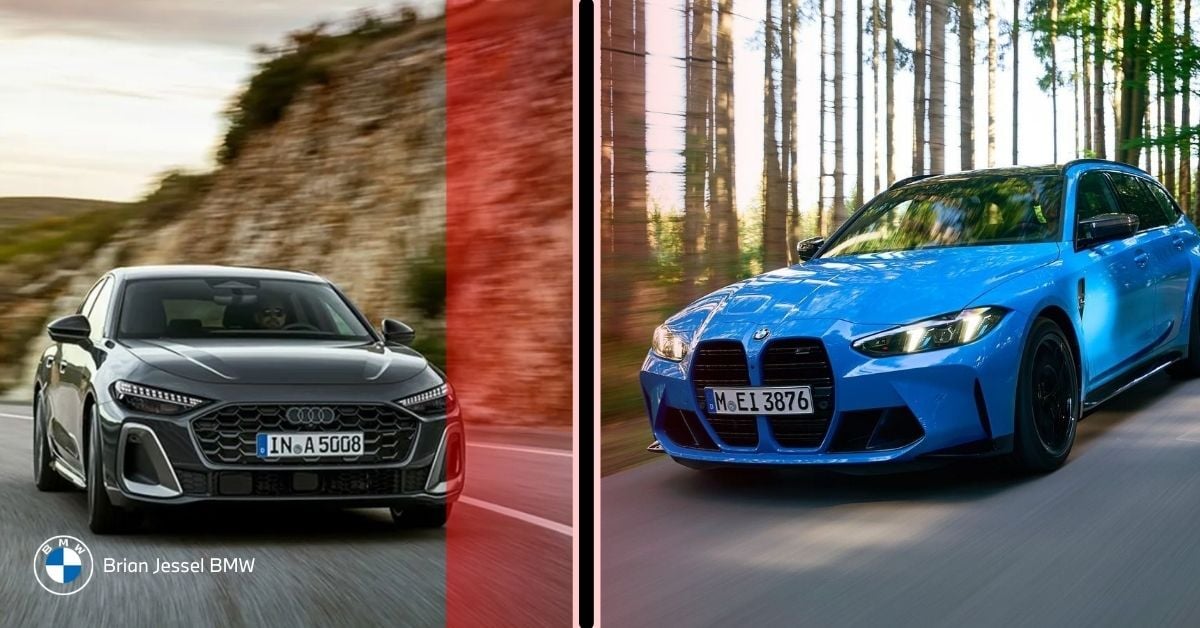
Daily driving in Metro Vancouver often means a mix of stop-and-go traffic, short highway runs, wet pavement, and limited parking. In that environment, both models work well, but their priorities differ.
City Driving, Highway Cruising, and Traffic
The Audi A4 is easy to place in tight traffic and tends to feel calm at low speeds. On the other hand, the BMW 3 Series remains straightforward in the city, with a slightly more responsive feel during lane changes and merges. On longer highway stretches, the BMW’s stability and engine range (330i vs M340i) can be a deciding factor for drivers who frequently travel outside the city.
Performance in Canadian Weather and Roads
Both models offer AWD systems suited to rain and winter use with appropriate tires. BMW xDrive is designed to vary torque distribution quickly and supports confident traction on wet pavement and mixed-grip surfaces. Audi quattro is known for steady traction and predictable grip, which many drivers value in consistent rain.
For Vancouver specifically, where rain and slick roads are routine, the more meaningful difference often comes down to how the chassis feels: BMW tends to feel more responsive, while Audi tends to feel more insulated.
Interior and Cabin Comfort
Interior comfort defines daily driving, where design, materials, and layout shape how premium each cabin truly feels for modern drivers.
Seating, Design, and Build Quality
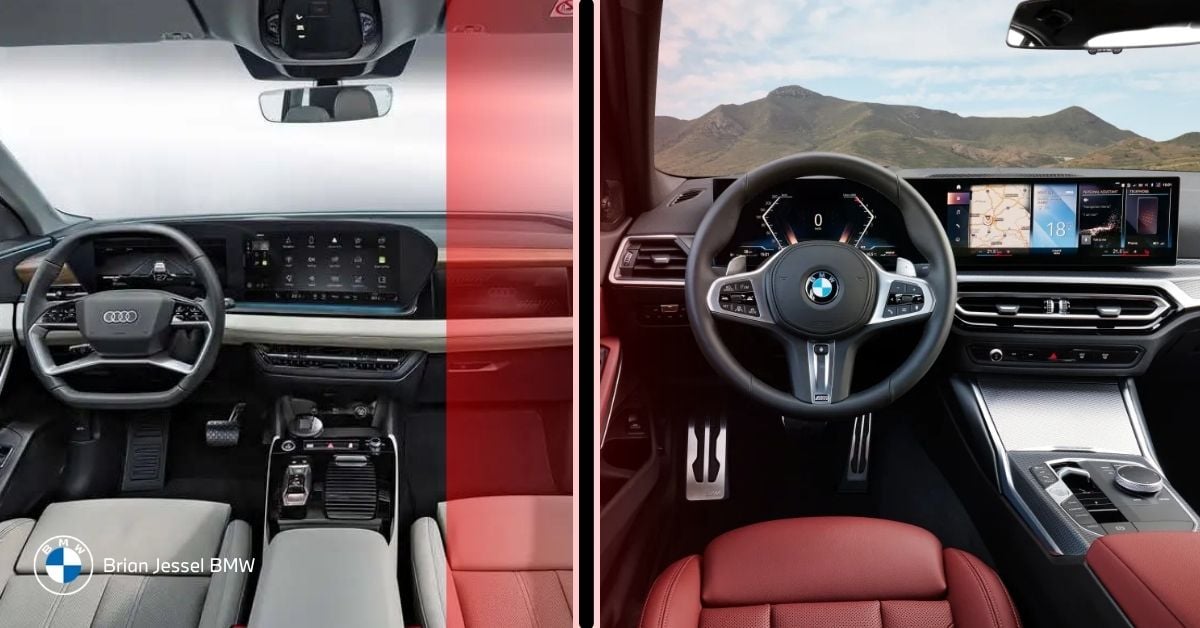
The Audi A4 features a clean, cohesive design with an understated cabin feel, where trim levels influence screen size and available tech features. In contrast, the BMW 3 Series adopts a more driver-focused layout, highlighted by a wide curved display and a modern, tech-forward cabin design.
Both have materials and build quality aligned with the premium segment, with differences mostly in styling and interface approach rather than basic fit-and-finish.
Rear Seat Space and Trunk Capacity
The BMW 3 Series offers a larger standard trunk at 480 litres, making it more practical for groceries and everyday use. The Audi A4 provides 368 litres with the seats up, but expands to 962 litres when the rear seats are folded, which can be useful for transporting longer or bulkier items.
Technology and Infotainment Features
Technology shapes daily usability, and infotainment systems play a major role in how intuitive, connected, and enjoyable each drive feels.
BMW iDrive vs Audi MMI: How Do They Compare
BMW iDrive: Curved display layout, strong graphics, and multiple input methods (touch/controller/voice, depending on configuration). This can reduce distraction since you’re not forced into a single control method.
Audi MMI: Audi’s MMI layout and display configuration vary by trim, with higher trims adding larger displays and upgraded cockpit features.
Connectivity and Smart Features
Both vehicles support the core features most buyers expect:
- Apple CarPlay / Android Auto
- Bluetooth audio and phone integration
- Wireless charging (availability varies)
- Navigation (varies by trim)
Safety and Driver Assistance Systems
Safety technology plays a crucial role in modern driving, helping prevent accidents and supporting driver awareness through advanced assistance systems.
Active Safety Features
Both offer key driver-assistance features commonly used in daily driving:
- Blind spot monitoring
- Lane departure warning
- Collision warning / mitigation systems
- Parking sensors and camera availability depending on trim
The practical difference often comes down to packaging and trim level, not the concept of the safety features themselves.
Crash Ratings and Awards
Both vehicles are evaluated by IIHS, and meet modern crash-safety expectations when properly equipped. Actual safety performance depends on trim level, optional driver-assistance packages, and configuration, as features such as adaptive cruise control, lane-keeping assist, and collision mitigation are often package-dependent.
Pricing and Value in Canada
Pricing plays a major role in value, especially when comparing trim levels, features, and overall ownership costs in Canada.
MSRP and Trim Options
| Model | Trims | MSRP (CAD as of 2025) |
| Audi A4 | S tronic / Progressiv / Technik | $57,700 / $62,300 / $64,300 |
| BMW 3 Series | 330i xDrive / M340i xDrive | $58,400 / $71,400 |
Which Sedan offers better features for the price?
At the lower end of the range, the A4’s pricing is more accessible. The BMW 3 Series typically asks for more at entry, but the lineup offers a broader spread, especially once you compare a 330i xDrive against higher-spec A4 trims, or if you are considering the output and hardware differences in the M340i xDrive.
For Vancouver buyers, the value question often becomes:
- Do you want the A4’s lower entry point and composed personality?
- Or do you want the BMW’s wider performance range and driving character that’s easier to feel on everyday roads?
Long-Term Ownership: Reliability, Maintenance, and Resale
Long-term ownership depends on reliability, maintenance costs, and dealer support, all shaping ownership satisfaction well beyond the initial purchase.
Which car is more reliable over time?
Long-term reliability depends heavily on maintenance history and proper service. Both brands have strong engineering resources, but both also use complex turbocharged powertrains and electronics that benefit from scheduled servicing.
Warranty Coverage and Dealer Support
In Canada, BMW, and Audi both offer comprehensive warranty coverage and roadside assistance. BMW Canada includes a 4-year/80,000 km New Vehicle Limited Warranty, plus 3 years/60,000 km of No-Charge Scheduled Maintenance (terms apply).
Audi provides strong factory coverage and its Certified :plus program for added peace of mind. Dealers such as Brian Jessel BMW enhance the experience with factory-trained technicians and OEM parts.
Resale Value and Depreciation
Resale value is shaped by trim selection, condition, mileage, and market demand. Historically, performance-oriented trims in this segment can retain stronger demand, and the 3 Series has a consistent presence in the Canadian used market. Buyers who plan to change vehicles in 3–5 years often factor this into their decision.
Unique Advantages of the BMW 3 Series
The BMW 3 Series distinguishes itself through balanced performance, refined handling, and everyday usability that consistently appeals to discerning drivers.
Where the BMW 3 Series Stands Out
The BMW 3 Series stands apart most clearly in:
- Steering and chassis behaviour that feels more responsive in daily driving
- A trim range that separates “balanced daily driver” (330i) from “stronger performance focus” (M340i)
- AWD tuning that supports confident traction while keeping the car feeling composed
Why Vancouver Drivers Might Prefer the 3 Series
Vancouver driving often includes wet pavement, tight merges, uneven surfaces, and frequent transitions between city and highway. In that environment, the 3 Series’ mix of stability and responsiveness tends to appeal to drivers who want the car to feel engaged without becoming tiring.
Brian Jessel BMW’s location and dealership support also matter for shoppers who prefer local test drives, service access, and a direct place to compare trims.
Which Sedan is right for your lifestyle?
Choosing the right sedan depends on how you drive, what you value daily, and which strengths best match your lifestyle.
Strong Choice for Driving Enthusiasts Who Crave Performance
If acceleration, passing power, and chassis response are high priorities, the BMW 3 Series, especially the M340i xDrive, offers a broader performance ceiling than the A4’s single-output lineup.
A Good Match for Tech-Savvy Drivers Who Love Smart Features
Both brands offer modern infotainment and smartphone integration. The BMW’s curved display and interface approach will appeal to drivers who want a more integrated cockpit feel, while Audi’s MMI layout appeals to those who prefer a clean, restrained interface.
A Practical Option for Commuters and Daily Drivers in the City
The Audi A4’s calm driving manners and predictable behaviour can suit daily commuting. The BMW 330i xDrive also performs well here, with a slightly more responsive feel in lane changes and merges.
A Fit for Small Families and Practical Daily Use
Both vehicles provide usable rear seating for occasional passengers and a workable cabin for child seats. The BMW’s trunk capacity is a clear advantage for regular errands and airport runs, while the Audi’s fold-down cargo capacity can help with longer items.
A Comfortable Pick for Road Trips and Long-Distance Travel
Both models offer stable highway behaviour and a quiet cabin by segment standards. The BMW’s passing power advantage becomes more noticeable on mountain highways and two-lane routes common in BC travel.
A Capable Pick for Winter Driving and Rough Weather
Both quattro and xDrive systems support confident traction with proper seasonal tires. Drivers who want a more responsive chassis feel may prefer the 3 Series; drivers who want a more insulated feel may prefer the A4.
Final Verdict: Audi A4 or BMW 3 Series?
The Audi A4 focuses on refinement and value, offering a smooth ride, standard quattro all-wheel drive, and practical features like fold-down rear seats. It’s a practical option for buyers prioritizing comfort and everyday usability.
The BMW 3 Series delivers a wider performance range, from the 330i to the M340i, with appealing handling, comfortable acceleration, and a different driving feel. It also offers slightly more cargo space and a sportier overall character.
Our Recommendation Based on Your Needs
While the A4 suits drivers seeking comfort and efficiency, the BMW 3 Series is well-suited for those who value responsiveness and versatility. For Vancouver drivers navigating mixed urban and highway conditions, the 3 Series is a confident choice.
Explore the BMW 3 Series at Brian Jessel BMW in Vancouver
If you are comparing the Audi A4 and BMW 3 Series in Vancouver, Brian Jessel BMW is a practical next step for experiencing the differences firsthand. You can compare the 330i xDrive and M340i xDrive in person, review current inventory and upcoming allocations, and book a test drive that reflects real Vancouver driving conditions, including city traffic, highway merging, and wet roads.
FAQs
1. Is the BMW 3 Series better than the Audi A4 for winter driving?
Both are capable with AWD and proper tires. The BMW’s xDrive and chassis tuning may feel more responsive to some drivers in changing conditions.
2. Which has better gas mileage: Audi A4 or BMW 3 Series?
The BMW 330i xDrive is slightly more fuel-efficient than the Audi A4, while the M340i uses more fuel due to higher performance.
3. What’s the difference between BMW xDrive and Audi quattro?
Both are AWD systems designed to improve traction. In everyday terms, xDrive often feels more variable and responsive in how it sends power, while quattro is widely known for steady, predictable grip.
4. Which is more reliable: Audi A4 or BMW 3 Series?
Both can be reliable with consistent maintenance. Long-term results often depend on service history, driving conditions, and how the vehicle was cared for.
5. Is the BMW 3 Series more expensive to maintain?
Maintenance costs can be similar in this segment, though higher-output trims (like M340i) can carry higher wear-related costs over time.
6. Which luxury sedan is better for long commutes?
Both are suitable. Drivers who prefer a more insulated feel may lean Audi; drivers who want stronger passing response and chassis feedback often lean BMW.
7. Can I lease a BMW 3 Series in Vancouver?
Yes. Leasing is commonly available through BMW dealerships in Vancouver, including Brian Jessel BMW.
8. Does the BMW 3 Series have better resale value?
Resale depends on trim, condition, and market demand. The 3 Series has consistent demand in Canada, particularly in well-equipped trims.
9. Which infotainment system is easier to use: iDrive or MMI?
It depends on preferences. iDrive offers multiple input methods and a wide display layout; MMI is clean and straightforward, with trim-level differences in screen size and features.
10. Which is more fun to drive: A4 or 3 Series?
Drivers who prioritize steering feel and chassis responsiveness tend to prefer the 3 Series, while those who prioritize a calmer, more insulated feel often prefer the A4.
Explore Latest Models Here: 2026 BMW Cars, 2025 BMW Cars, BMW Electric Cars, BMW Gas Vehicles, BMW M Series for Sale, BMW Luxury Line for Sale, BMW Convertible, 2025 BMW 5 Series 530i xDrive, 2024 BMW X3 M40i xDrive, 2025 BMW i5