Discontinued BMW Models That Defined Their Eras
Discontinued BMW Models That Defined Their Eras
Posted on November 19, 2025
Purchasing a used BMW can be a highly rewarding choice. Beyond acquiring a finely engineered vehicle at a competitive price, you have the opportunity to own one of the BMW discontinued models. These retired vehicles carry distinct value and character, offering a driving experience that stands apart from the everyday.
What does it mean when a BMW is discontinued?
A discontinued model is one that BMW has retired from production, often due to evolving technologies, updated design directions, or the introduction of new models.
This guide highlights some of the most notable discontinued BMWs. For those short on time: the list features both fan favourites and rare models, explains what made each one exceptional, and details why BMW eventually phased them out.
Here are our top 10 picks for these retired BMW vehicles worth considering.
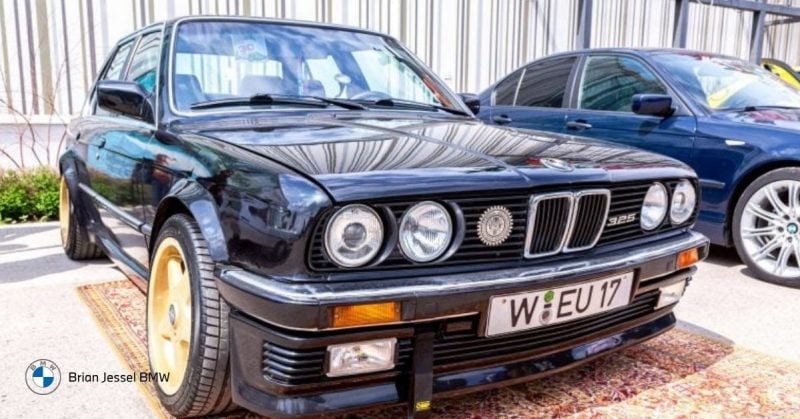
BMW 325
The BMW 325, launched in 1992, was a compact sport sedan, coupe, and convertible aimed at drivers seeking comfort and agile handling. It featured an inline-six engine and offered both manual and automatic transmissions, earning a reputation for its smooth power delivery and precise control. Over its various generations, the 325 evolved in both design and technology, moving from the driver-focused simplicity of the E36 and E46 models to the later E90 generation, which introduced BMW’s iDrive infotainment system and a roomier interior. Eventually replaced by the 328 and 330 models, the 325 remains a classic favourite among enthusiasts for its balanced performance, strong community support, and reliable access to parts.
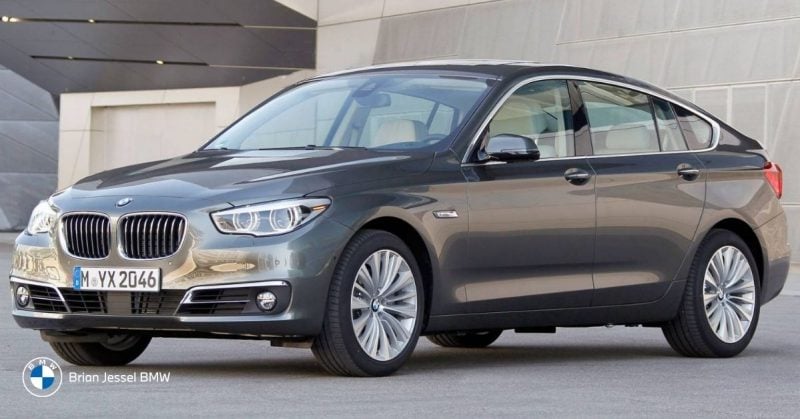
BMW 535 Gran Turismo
Introduced in October 2009, the BMW 535 Gran Turismo was a luxury hatchback designed for drivers seeking versatility and performance. It featured a high-roof profile, ample rear legroom, and a turbocharged engine with xDrive. Designed by Christopher Weil, it emphasized long-distance comfort and cargo versatility. The model was discontinued in 2017 and replaced by the 6 Series Gran Turismo. Despite its end, it remains a cult classic, appreciated for its unique blend of luxury and practicality.
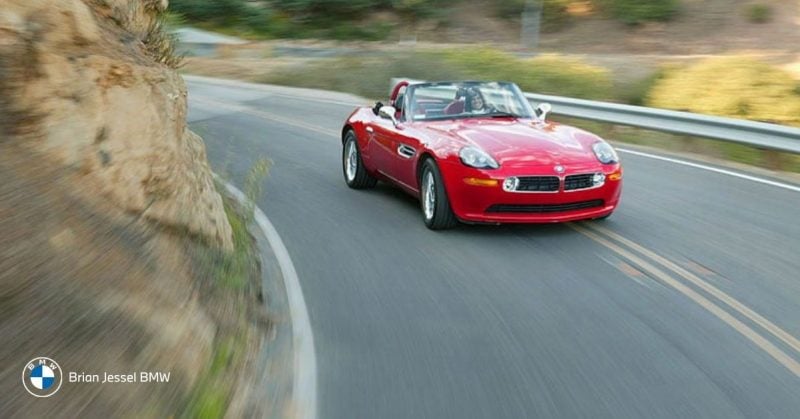
BMW Z8
First released for the 2000 model year, the BMW Z8 quickly became a modern classic, channelling design cues from the celebrated 1950s BMW 507. It featured a V8 engine, 6-speed manual transmission, and an aluminum spaceframe. Designed by Henrik Fisker and Scott Lempert, it offered a minimalist interior with center-mounted gauges. Production ended in 2003 with only 5,703 units built, making it a highly sought-after collector’s item. Its rarity and performance have solidified its status as a modern classic.
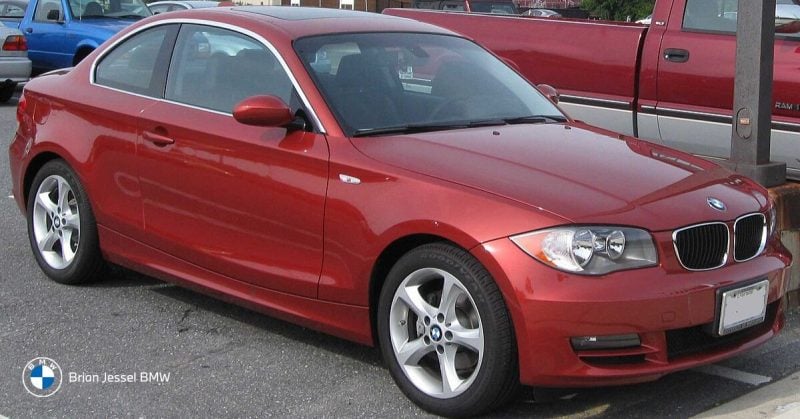
BMW 128
When it joined the BMW lineup in 2008, the 128 offered an ideal mix of compact design, sporty handling, and the signature rear-wheel-drive feel that defines the brand. Powered by an inline-six engine with a manual transmission, it delivered a dynamic, engaging drive.
Designed by Chris Bangle, it was compact yet refined, ideal for urban driving. Production of the North American coupe and convertible versions ended in 2013, replaced by the 2 Series, while the 128 name continued in limited use abroad. Today, the original 128 is admired for its simplicity, balance, and enduring appeal.
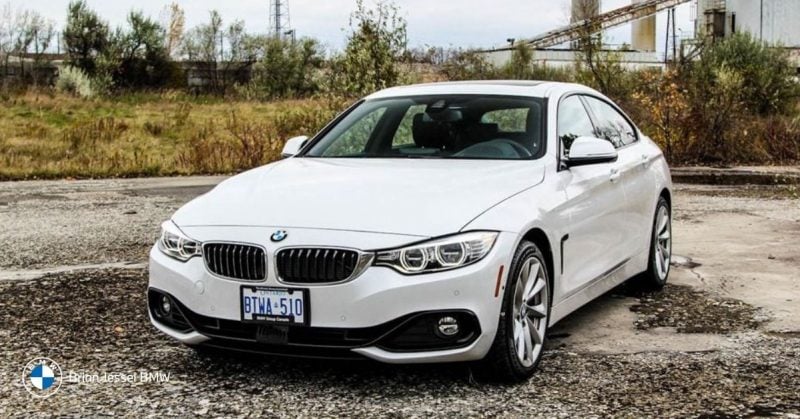
BMW 428 Gran Coupe
Released in 2015, the BMW 428 Gran Coupe redefined everyday practicality by pairing elegant coupe lines with the utility of a hatchback. It offered rear- or all-wheel drive and a 2.0L turbocharged engine. Designed by Won Kyu Kang, it balanced sporty performance with functionality. The 428 was discontinued when the updated 4 Series designations took its place. Its blend of style, performance, and practicality influenced future BMW models.
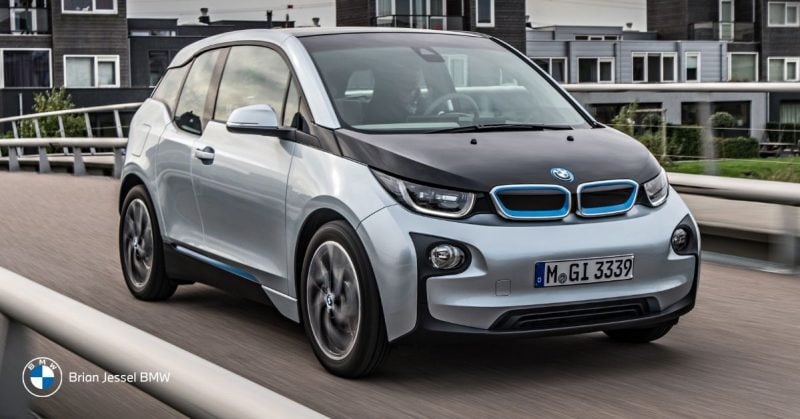
BMW i3
Unveiled in 2013, the BMW i3 marked BMW’s bold entry into the world of fully electric mobility, combining forward-thinking design with eco-conscious engineering. It had a carbon-fibre-reinforced plastic passenger cell and an aluminium chassis, making it lightweight despite the heavy battery. Designed by Richard Kim, the i3 stood out with its futuristic look and eco-friendly focus.
Production ended in 2022, as BMW shifted to next-gen electric vehicles. The i3 remains a milestone in EV design, remembered for its pioneering use of materials and energy-efficient engineering.
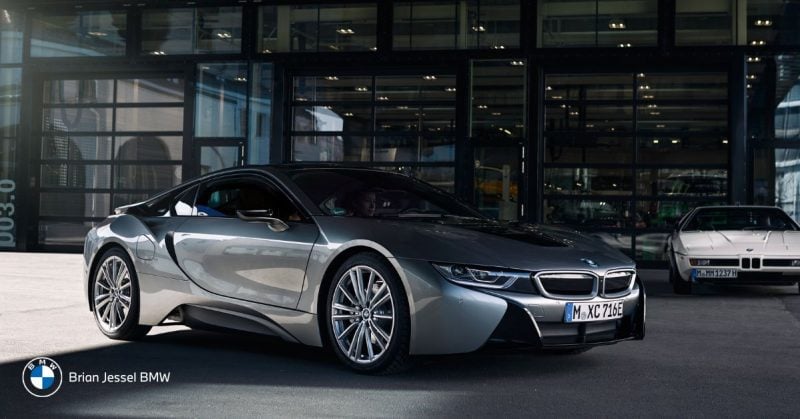
BMW i8
When BMW revealed the i8 in 2013, it set a new benchmark for plug-in hybrid sports cars, blending futuristic design with sustainable performance. It featured a 3-cylinder engine paired with an electric front-drive motor, offering an exhilarating driving experience. Designed by Benoit Jacob and Richard Kim, its carbon-fibre body made it lightweight and eco-friendly.
The i8 was discontinued in 2020, replaced by newer electric platforms. Today, it is a modern collectible, iconic for advancing BMW’s electric vision and high-performance hybrid technology.
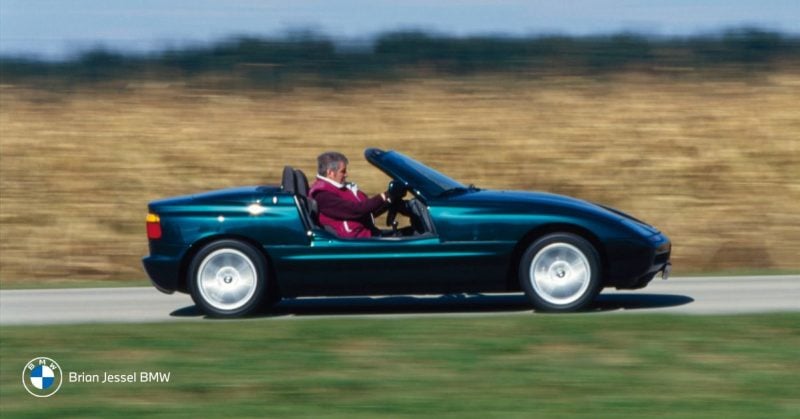
BMW Z1
Introduced in 1989, the BMW Z1 was a two-seater roadster with retractable doors and a lightweight composite body. Powered by a 2.5L inline-six engine, it offered nimble performance. Designed by Harm Lagaay, it was produced in limited numbers to showcase BMW's engineering capabilities.
Production ended in 1991, as the Z1 was never intended for mass-market sales. Today, the Z1 is a collector’s item, influencing later Z-series models and symbolizing BMW’s innovative spirit.
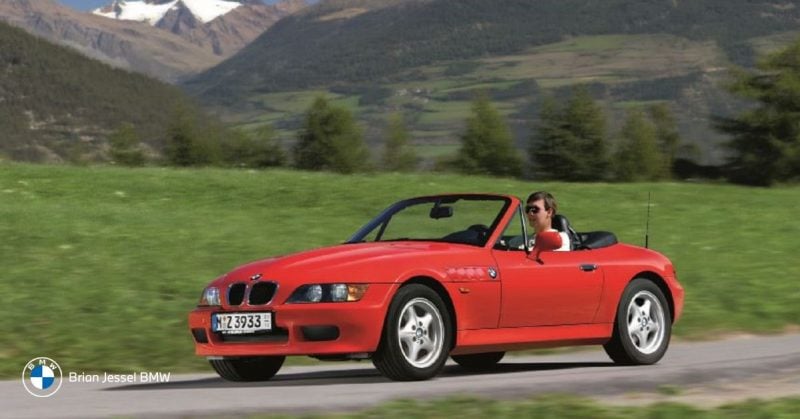
BMW Z3
Born in 1995, the BMW Z3 embodied BMW’s roadster heritage with its long hood, short rear deck, and sharp handling dynamics. With engine options ranging from 4 to 6 cylinders, the Z3 provided a thrilling driving experience. Designed by Joji Nagashima, it became known for its classic roadster styling combined with modern engineering.
Production ended in 2002 as it was succeeded by the BMW Z4. The Z3 has since become a modern classic, admired for its agility, handling, and timeless appeal.
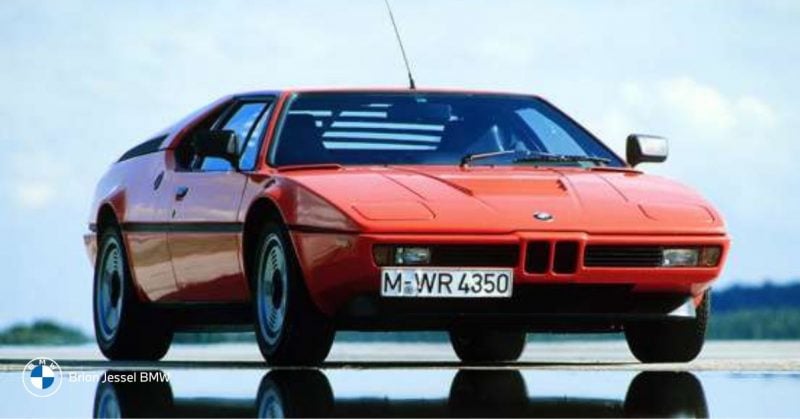
BMW M1
When BMW launched the M1 in 1978, it set a new standard for precision engineering and performance excellence. It featured a mid-engine layout with a 3.5L engine, setting the standard for future M models. Designed by Giorgetto Giugiaro, only 460 vehicles were made from 1979 to 1981.
Due to high production costs and limited demand, the M1 was discontinued in 1981. It remains a rare and iconic collector's item, revered for its precision, performance, and role in defining the BMW M division.
Conclusion
The BMW discontinued models featured here capture defining moments in the brand’s history, from pioneering designs like the i3 and i8 to legendary icons like the Z8 and M1. Though these vehicles are no longer produced, their craftsmanship, innovation, and performance continue to inspire enthusiasts worldwide.
For discerning Vancouver and British Columbia drivers, owning one of these discontinued BMW models means driving a rare piece of BMW heritage, supported by genuine parts, expert maintenance, and trusted service from Brian Jessel BMW.
Ready to find one? Explore our Certified Pre-Owned BMW selection at Brian Jessel BMW. If you’re searching for something rarer, such as Z-cars, M halo models, or discontinued trims, let us know what you’re looking for.
Explore Latest Models Here: 2024 BMW 4 Series, 2024 BMW M4, 2024 BMW X5, 2024 BMW X6, 2024 BMW X7, 2024 BMW i7, 2024 BMW ix